Refreshing the interior of your home with a fresh coat of paint is one of the most impactful and cost-effective ways to transform your living space. Homeowners across the country frequently ask about interior painting cost in Nashville, TN before committing to a project, and for good reason. Understanding what drives pricing can help you budget accurately and make confident decisions. Whether you are sprucing up a single bedroom or repainting every room in your home, knowing what to expect financially is essential. If you are ready to explore your options, professional interior painting services can provide a clear path from planning to a polished, lasting finish.
Average Cost of Interior Painting by Room Size and Scope
One of the first questions homeowners ask is how much it will cost to paint a specific room or their entire home. According to HomeAdvisor, the national average cost to paint a single room typically falls between $350 and $850, though this figure can shift considerably based on room dimensions and condition. A small bedroom measuring around 10×10 feet will naturally cost less than an open-concept living and dining area with vaulted ceilings and large accent walls. The total square footage of paintable surface area, not just floor space, is what professionals use to calculate labor and material needs.
For a standard-sized bedroom of roughly 12×12 feet, homeowners can generally expect to pay between $400 and $700 for professional painting services. Larger spaces such as living rooms, master suites, or open floor plans can range from $800 to $2,000 or more depending on ceiling height and the number of surfaces involved. A full interior repaint of a 2,000 square foot home typically falls in the range of $3,000 to $7,000 when using quality materials and skilled labor. These estimates usually include walls, ceilings, trim, and doors, though each contractor may structure their pricing differently. Always request an itemized quote to understand exactly what is included before signing any agreement.
The scope of the project also matters significantly when calculating overall cost. A single-color repaint on surfaces that are already in good condition is the most straightforward and budget-friendly scenario. Projects involving multiple accent colors, intricate trim work, crown molding, or two-story entryways will require more time and skill, which is reflected in the final price. Some homeowners also request specialty finishes such as matte, eggshell, or semi-gloss in different zones of the home, which can add complexity to the job. Being clear about your vision upfront helps painters provide more accurate and complete estimates.
Key Factors That Influence Interior Painting Costs
Labor
Labor is consistently the largest component of any interior painting quote, often accounting for 70 to 80 percent of the total project cost. Skilled painters bring expertise in surface preparation, cutting clean lines, and applying paint evenly across a variety of textures and surfaces. The time required to complete a project depends on the number of rooms, the condition of the walls, and the complexity of the design choices involved. In a city like Nashville where the cost of living and skilled trades reflect regional demand, labor rates will align with local market conditions. According to Angi, painters typically charge between $20 and $50 per hour, with experienced professionals often commanding rates at the higher end of that range.
Paint Quality and Type
The type and quality of paint selected can have a notable impact on both the final cost and the longevity of the results. Entry-level paints may cost as little as $15 to $25 per gallon, while premium interior paints from brands like Sherwin-Williams or Benjamin Moore can range from $50 to $100 per gallon or more. Higher-quality paints offer better coverage, richer color depth, improved washability, and greater resistance to fading and wear over time. For high-traffic areas like hallways, kitchens, and children’s rooms, investing in a more durable paint formula is almost always worth the additional upfront cost. Many professional painters recommend specific products based on the room’s function, helping homeowners make informed choices rather than defaulting to the cheapest available option.
Surface Preparation
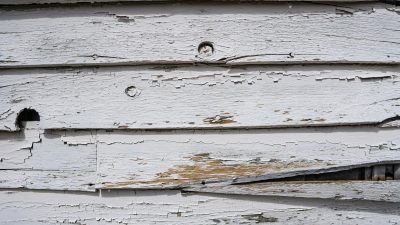
Proper surface preparation is a step that separates a mediocre paint job from one that truly lasts. Before a single drop of paint is applied, surfaces may need to be cleaned, sanded, patched, primed, or treated for issues like water stains, mold, or peeling. Walls with significant damage, texture inconsistencies, or outdated wallpaper require additional labor and materials that will add to the overall project cost. Skipping or cutting corners on prep work is one of the most common reasons DIY paint jobs fail prematurely, leading to peeling, bubbling, or uneven color coverage within a short period. Professional painters assess surface conditions thoroughly before providing a quote, so the price reflects not just the painting itself but the groundwork required for a durable finish.
Number of Coats and Color Changes
The number of paint coats required also plays a role in determining the final price. Painting over a dark color with a lighter shade, or vice versa, typically requires additional coats to achieve full, even coverage. Most professional interior painting projects involve at least two coats to ensure a smooth, consistent finish, and some color transitions may call for three or more applications. Primers are often applied before the topcoat, particularly when covering stains, drastic color changes, or bare drywall. Each additional coat adds to the material cost and the labor hours involved, both of which are reflected in the project estimate.
Benefits of Hiring a Professional Interior Painter
Quality and Consistency
One of the most compelling reasons to hire a professional is the quality and consistency of the finished product. Experienced painters have developed techniques for cutting clean lines along trim and ceilings, maintaining a wet edge to avoid lap marks, and applying paint in conditions that optimize drying and adhesion. A professional will also have the tools necessary to complete the job efficiently, including extension poles, high-quality brushes and rollers, drop cloths, and painter’s tape. Homeowners who attempt to paint large areas themselves often discover that achieving a truly seamless finish is far more difficult than it appears. The investment in professional labor frequently pays for itself through a finish that looks polished, holds up over time, and requires fewer touch-ups.
Time Savings
Painting an entire home interior is a significant time commitment that most homeowners underestimate. What looks like a weekend project can stretch into weeks when accounting for prep work, multiple coats, drying time, and cleanup. Professional painters work efficiently as a team, completing projects in a fraction of the time it would take an inexperienced individual working alone. This time savings allows homeowners to continue their normal routines without having furniture pushed to the center of every room or plastic sheeting draped over their belongings for extended periods. For busy families or professionals, the convenience of a fast and efficient completion schedule is often worth the cost alone.
Long-Term Value
A professionally applied paint job is also an investment in the long-term value of your home. According to Zillow, fresh interior paint is one of the most consistently recommended improvements for homeowners looking to increase perceived value and appeal. Paint applied correctly with proper priming and quality materials can last eight to ten years before requiring significant attention, while a rushed DIY application may show wear within just a few years. Professionals also understand how to select finishes appropriate for different rooms, ensuring that high-moisture areas like bathrooms and kitchens receive the appropriate sheen level for moisture resistance. Choosing the right professional for your interior painting project is a decision that pays dividends well beyond the initial completion date.
Final Thoughts on Interior Painting Investment
Understanding the true cost of interior painting in Nashville, TN requires looking beyond the surface price and considering the full value of what a skilled professional delivers. From thorough surface preparation and premium materials to efficient execution and a long-lasting finish, professional painters bring expertise that is difficult to replicate through a DIY approach. The average costs outlined in this guide provide a useful benchmark, but every home is unique, and the best way to get an accurate figure is to request an in-person assessment and detailed quote. Homeowners who partner with experienced local professionals tend to enjoy results that stand up for years, minimize the need for costly corrections, and genuinely enhance the feel of their living spaces.
If you are located in the Nashville area and want to explore your interior painting options with a trusted local team, you can also find service providers through their Google Business listing to read reviews and learn more about local expertise. Taking the time to research and hire the right professional is a decision that reflects in every wall, ceiling, and trim line throughout your home.
Frequently Asked Questions About Interior Painting Costs
1. How much does it cost to paint a 1,500 square foot home interior in Nashville, TN?
The cost to paint the interior of a 1,500 square foot home in Nashville typically ranges from $2,500 to $5,500, depending on the number of rooms, ceiling height, paint quality selected, and the condition of existing surfaces. Homes with minimal prep work needed and straightforward color choices will fall toward the lower end of that range. Requesting quotes from at least two or three local professionals is the best way to get an accurate figure for your specific home.
2. Is it cheaper to paint a house yourself or hire a professional?
Painting yourself can lower upfront material costs, but the total savings are often smaller than expected once you factor in the time, tools, supplies, and the potential need to repaint due to uneven results. Professional painters work more quickly, apply paint more evenly, and are less likely to leave behind drips, streaks, or missed spots that require correction. For large or complex projects, the quality and durability of professional work typically justify the additional cost over time.
3. What type of paint finish is best for interior walls?
The best paint finish depends on the room and its function. Eggshell and satin finishes are popular for living rooms and bedrooms because they offer a subtle sheen that is easy to clean without appearing overly glossy. Semi-gloss and gloss finishes are better suited for kitchens, bathrooms, and trim work where moisture resistance and durability are important. A professional painter can recommend the right finish for each area of your home based on traffic levels, lighting, and your personal aesthetic preferences.
4. How long does an interior paint job typically last?
A professionally applied interior paint job using quality materials can last anywhere from eight to fifteen years before requiring a full repaint, depending on the level of activity in the home and how well the surfaces were prepared. High-traffic areas such as hallways, staircases, and children’s rooms may show wear sooner and benefit from periodic touch-ups. Using a higher-sheen, more washable finish in these areas can extend the time between repaints significantly.
5. What should I look for when hiring an interior painter?
When evaluating painters, look for verified licensing, insurance, and a portfolio of completed projects similar to yours. Reading online reviews and asking for references from past clients provides valuable insight into the quality and reliability of a contractor. A reputable painter will conduct an in-person walkthrough before providing a written estimate, clearly outlining the scope of work, materials to be used, number of coats, and timeline. Avoid contractors who provide quotes over the phone without seeing the space, as these estimates are rarely accurate.