Your home’s siding does more than create curb appeal. It acts as a protective shell against wind, rain, pests, and temperature extremes. Over time, even the most durable siding materials begin to show wear, and homeowners in Canton, Ohio and throughout the region frequently face the same question: is this a siding repair or replacement situation? Making the wrong call can cost you significantly, either by spending money on repairs that do not last, or by paying for a full replacement when targeted repairs would have done the job. This guide breaks down the key signs, cost factors, and why a professional evaluation matters more than most homeowners realize.
Signs Your Siding Can Be Repaired
Not every instance of siding damage calls for a complete overhaul. In many cases, a skilled contractor can address isolated problems quickly and affordably. Understanding when repair is sufficient can save you thousands of dollars and weeks of disruption.
Small cracks and holes are among the most common issues that fall into the repairable category. When a single panel or a localized section develops a crack from impact, thermal expansion, or age, filling it with a high-quality caulk or siding filler can restore the surface and prevent moisture from working its way inside. The key is addressing these minor defects early, before water infiltration turns a small crack into rot. According to This Old House, catching small siding issues early dramatically reduces the cost and scope of repairs down the road.
Loose or detached panels are also commonly repairable. High winds can pull siding panels away from the wall, and fasteners can loosen over years of use. If the panels themselves are still structurally sound and the underlying wall shows no sign of moisture damage, a professional can re-secure or replace those individual panels without disturbing the rest of the siding system. Similarly, minor fading or surface discoloration caused by UV exposure can often be addressed through cleaning, painting, or touch-up work rather than a full replacement.
Isolated mold or mildew spots are manageable when caught at an early stage. If the growth is limited to the surface and has not penetrated the wall sheathing beneath, cleaning with an appropriate solution followed by a protective sealant can resolve the problem. The important distinction is whether the moisture that caused the growth has already affected the structural components behind the siding.
When Full Replacement Becomes Necessary
There are clear thresholds beyond which repair is no longer the right answer. Knowing these signs helps homeowners avoid the trap of repeatedly patching a failing system, which almost always costs more in the long run than a timely replacement.
Widespread warping or buckling across multiple panels is one of the strongest indicators that replacement is needed. Warping occurs when siding materials absorb moisture, experience severe temperature fluctuations, or were installed improperly without adequate space for expansion. When warping is present across a large portion of the home’s exterior, replacing individual panels provides only a temporary fix. The underlying causes will continue to affect the remaining siding until the full system is addressed. The U.S. Department of Energy notes that deteriorated exterior cladding can measurably impact a home’s thermal performance, increasing energy costs.
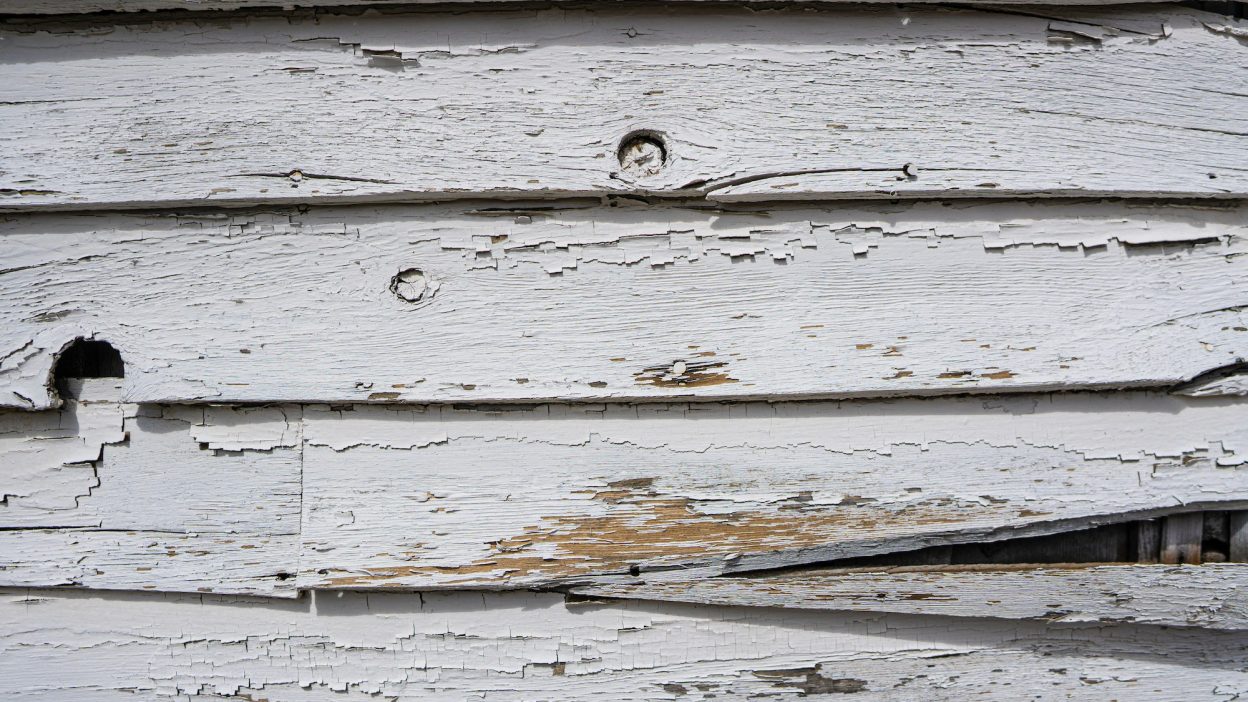
Rot is another clear signal for full replacement. Unlike surface mold, rot is a structural problem. When moisture penetrates siding and reaches the wood sheathing, OSB board, or framing behind it, the damage compromises the integrity of the wall itself. Soft, spongy, or discolored sections of siding that crumble when pressed are signs that rot has set in. In these cases, a professional will often need to remove the siding, assess and repair the underlying structure, and then install entirely new siding material.
You should also consider full replacement when your siding is simply approaching or exceeding its expected lifespan. Vinyl siding typically lasts 20 to 40 years, fiber cement can last 25 to 50 years, and wood siding varies significantly depending on maintenance history. If your siding is older and showing multiple issues simultaneously, patching problems as they arise becomes inefficient. A new siding installation provides a fresh protective system with modern materials and improved energy efficiency, which frequently pays for itself over time through reduced utility costs.
Rising energy bills without another clear explanation can also point to failing siding. When siding develops gaps, cracks, or compromised seams, conditioned air escapes more easily and outside temperatures penetrate more aggressively. If you have ruled out insulation and window issues, deteriorating siding may be the culprit and replacement is worth serious consideration.
Cost Comparison: Siding Repair vs. Replacement
Understanding the cost difference between repair and replacement helps homeowners make informed, financially sound decisions rather than reactive ones. Both options carry real value depending on the scope and condition of the siding.
For siding repair work on isolated panels, small sections, or localized damage, costs typically range from a few hundred dollars to around $1,500 for more involved repairs. Factors that influence repair costs include the size of the damaged area, the siding material involved, the labor required to access the area, and whether underlying structural repairs are needed. Matching new materials to existing siding colors and profiles can also add a small premium, particularly for older homes where specific products are no longer manufactured.
Full siding replacement is a significantly larger investment, with most residential projects ranging from $5,000 to $20,000 or more depending on the size of the home, the material selected, and the extent of any underlying damage discovered during removal. Vinyl siding is generally the most affordable option, while fiber cement, wood, and stone veneer siding carry higher material and labor costs. The National Association of Realtors consistently reports that siding replacement ranks among the home improvement projects with the highest return on investment, making it a worthwhile consideration for homeowners who also have an eye on resale value.
The important cost comparison to keep in mind is not just the upfront price but the cumulative cost over time. Homeowners who repeatedly repair aging, failing siding can easily spend more over five years than a single full replacement would have cost. A professional contractor can help you model these scenarios with real numbers based on your specific situation.
Why Professional Evaluation Matters
Many homeowners rely on visual inspection alone to assess their siding, but what is visible on the surface often tells only part of the story. A trained professional brings tools, experience, and a systematic approach that can uncover issues invisible to the untrained eye.
One of the most important things a professional evaluator does is assess the condition of the wall system behind the siding. Moisture damage, rot, and pest activity frequently occur in spaces you cannot see without removing or probing the siding material. By the time these problems become visible on the exterior, significant damage may already be present underneath. Catching structural damage early prevents a siding project from escalating into a far more expensive structural repair.
A professional inspection also helps you prioritize. Rather than guessing which sections to address first, a qualified contractor can rank areas by severity and help you budget appropriately. For homeowners who are not ready for a full replacement, a professional can identify which repairs will buy the most time and what conditions should trigger a return call for a fuller assessment.
Professional evaluators are also familiar with manufacturer warranties, local building codes, and the performance characteristics of different siding materials in the specific climate of your region. Ohio’s freeze-thaw cycles, humidity levels, and storm activity all affect how different materials age. A local contractor who has worked extensively in your area understands these regional factors and can recommend solutions that perform well over the long term. For homeowners in the Canton area, connecting with a trusted local roofing and siding contractor ensures the evaluation reflects real-world conditions in your community.
Finally, professional contractors can spot installation errors from prior work that may be accelerating your current siding’s deterioration. Incorrectly installed flashing, gaps around windows and doors, and improper fastening techniques can cause siding to fail far earlier than expected. Identifying and correcting these root causes during a repair or replacement project prevents the same problems from returning on the new installation.
Final Thoughts on Siding Repair and Replacement Decisions
The decision between siding repair or replacement in Canton, Ohio or any other community ultimately comes down to three things: the extent and nature of the damage, the age and overall condition of the current siding system, and your long-term goals as a homeowner. Minor, isolated damage in otherwise sound siding is almost always worth repairing. Widespread deterioration, rot, structural compromise, or siding that has reached the end of its useful life points clearly toward full replacement.
Delaying either type of action is rarely the right move. Siding damage tends to worsen over time as moisture, pests, and temperature changes exploit existing vulnerabilities. What begins as a manageable repair can become a significant structural problem if left unaddressed for a single season. Homeowners who invest in timely professional evaluation and quality workmanship consistently come out ahead, both in terms of money spent and in the long-term performance of their home’s exterior.
If you are unsure where your siding falls on the repair versus replacement spectrum, the most practical first step is scheduling a professional inspection. An experienced contractor can give you an honest, detailed assessment and help you make the decision that best fits your home, your budget, and your timeline.
Frequently Asked Questions
Q: How can I tell if my siding damage is surface-level or structural?
A: Surface-level damage typically appears as cosmetic issues like minor cracks, small chips, fading, or isolated mold spots that have not spread beneath the material. Structural damage involves rot, soft or spongy sections of siding, visible gaps or separation from the wall, warping that spans multiple panels, and interior signs of moisture intrusion like water stains or musty odors. When in doubt, a professional inspection is the most reliable way to determine how deep the damage goes, since wall sheathing and framing issues are not always visible from the outside.
Q: How long does a siding repair typically last compared to a full replacement?
A: A properly executed repair on otherwise sound siding can last many years, particularly if the underlying cause of the damage is also addressed. However, if the siding material is already aged or other sections are showing wear, repairs may only last a few years before additional problems emerge. Full replacement with quality materials can provide 20 to 50 years of reliable performance depending on the product chosen and how well it is maintained. A professional can help you weigh the expected longevity of repair against replacement based on your specific situation.
Q: What siding materials hold up best in climates with cold winters and hot summers?
A: Fiber cement siding is widely regarded as one of the most durable options for regions with significant temperature variation. It resists moisture, insects, and fire, and does not expand and contract as dramatically as vinyl in extreme temperatures. Insulated vinyl siding is also a strong performer in variable climates and offers improved energy efficiency over standard vinyl. Wood siding can perform well with proper maintenance but requires more attention in high-humidity or freeze-thaw environments. A local contractor familiar with your regional climate can recommend the best material for your specific location.
Q: Will my homeowners insurance cover siding repair or replacement?
A: Homeowners insurance typically covers siding damage caused by sudden, unexpected events such as hailstorms, wind damage, fire, or falling trees. Damage resulting from gradual wear and tear, age, or lack of maintenance is generally not covered. If your siding was damaged during a storm, documenting the damage promptly and contacting your insurance provider to file a claim is advisable. Working with a contractor who has experience with insurance claims can also help ensure the inspection report and estimate meet the requirements of the claims process.
Q: Is there a general rule of thumb for when siding should be replaced regardless of visible damage?
A: Many contractors recommend a thorough professional evaluation when siding approaches 15 to 20 years of age, even if it appears to be in reasonable condition. This is because underlying issues like moisture infiltration and fastener degradation often develop quietly before becoming visible. For siding that is 25 years or older, the likelihood that replacement will prove more cost-effective than continued repairs increases substantially. Age alone is not always a reason to replace, but it is a strong reason to have a professional assess the full condition of the system, including the wall components beneath it.