When homeowners in Coatesville, PA start researching siding replacement, one of the most common questions is: how does James Hardie siding installation stack up against vinyl and wood? The debate around James Hardie siding vs vinyl and wood has been ongoing for years, and for good reason. Each material brings different trade-offs around cost, durability, maintenance, and long-term value. This guide breaks down all three options so you can make a well-informed decision for your home.
What Is James Hardie Siding?
James Hardie siding, also known as fiber cement siding, is made from a composite of cement, sand, and cellulose fibers. It was engineered to mimic the appearance of wood while offering superior resistance to weather, pests, and fire. Since its widespread adoption in North American residential construction, it has become a leading choice for homeowners who want the aesthetics of traditional materials without the associated upkeep headaches.
According to the James Hardie website, their products are specifically formulated for regional climate conditions, which gives them a notable edge in areas that experience humidity, freeze-thaw cycles, or intense UV exposure.
Overview of Vinyl and Wood Siding
Vinyl siding is one of the most popular siding materials in the United States, largely because of its low upfront cost and minimal maintenance requirements. It is made from PVC plastic and comes in a wide variety of colors and styles. However, vinyl can be prone to warping, cracking in extreme cold, and fading over time when exposed to direct sunlight.
Wood siding has been used in residential construction for centuries. It offers a natural, warm aesthetic that many homeowners find appealing, and it can be painted or stained in virtually any color. The main drawbacks of wood are its susceptibility to moisture damage, insect infestation, and the need for frequent repainting or staining to maintain its appearance and structural integrity.
Durability Comparison
Durability is often the deciding factor for homeowners weighing these three materials against one another.
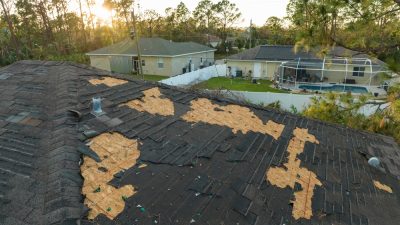
James Hardie siding is widely regarded as the most durable of the three. Fiber cement does not rot, warp, swell, or crack under normal weather conditions. It is also non-combustible, which can be an important safety consideration. It can withstand impact from wind-driven debris during high-wind events. According to Consumer Reports, fiber cement siding consistently ranks among the top performers for long-term weather resistance.
Vinyl siding holds up reasonably well in moderate climates, but it becomes brittle in very cold temperatures and can crack upon impact. It also has a tendency to warp when exposed to sustained heat, particularly on south- or west-facing walls. In high-wind situations, vinyl panels can detach more easily than fiber cement.
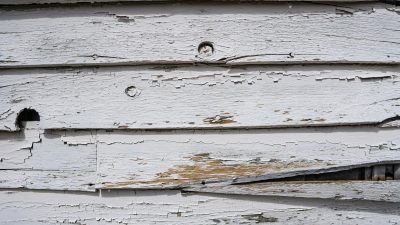
Wood siding, while beautiful, is the most vulnerable of the three. Without regular maintenance, wood is highly susceptible to moisture intrusion, which can lead to rot, mold growth, and structural issues over time. It is also attractive to termites and other wood-boring insects, which can cause significant hidden damage.
Winner for durability: James Hardie siding
Maintenance Requirements
James Hardie siding requires relatively little maintenance. It is factory-primed and pre-finished with a durable ColorPlus technology coating that resists fading, chipping, and peeling. Most manufacturers recommend a light wash with a garden hose once or twice a year and a fresh coat of paint every 10 to 15 years, depending on climate conditions.
Vinyl siding is often marketed as a “no maintenance” product, but this is somewhat misleading. While it does not need to be painted, vinyl can accumulate dirt, algae, and mildew on its surface and requires periodic washing. Faded or cracked panels cannot be repainted effectively since paint does not adhere well to vinyl without special primers.
Wood siding demands the most maintenance of the three. It should be repainted or restained every three to seven years, and homeowners must inspect it regularly for signs of rot, insect damage, or moisture intrusion. Any gaps or cracks in the finish must be sealed promptly to prevent water from penetrating behind the panels.
Winner for low maintenance: Vinyl (short term), James Hardie (long term)
Lifespan
The expected lifespan of each material varies considerably.
- James Hardie siding can last 50 years or more when properly installed and maintained. The manufacturer backs many of its products with a 30-year non-prorated warranty.
- Vinyl siding typically lasts between 20 and 40 years, depending on climate exposure and product quality.
- Wood siding can last 20 to 30 years if meticulously maintained, but many installations begin showing significant wear well before that mark.
From a lifespan perspective, fiber cement offers the best return on investment over a full ownership cycle.
Cost Comparison
Cost is one of the most significant considerations for any siding project.
Vinyl siding is generally the least expensive option, with material and installation costs typically ranging from $3 to $8 per square foot, according to HomeAdvisor. This makes it attractive for budget-conscious homeowners.
James Hardie siding falls in the mid-to-upper price range, with installed costs generally ranging from $6 to $13 per square foot. The higher upfront cost reflects the superior material quality and the skill level required for proper installation.
Wood siding varies widely in cost depending on the species and style chosen. Basic pine or cedar clapboard can start at a similar price to vinyl, but premium wood options such as redwood or engineered wood composites can cost significantly more. When you factor in ongoing maintenance costs over a 20 to 30 year period, wood often ends up being the most expensive option in total.
Winner for upfront cost: Vinyl. Winner for total cost of ownership: James Hardie siding
Aesthetic Appeal and Design Flexibility
All three materials offer a range of design options, but they differ in how well they hold their appearance over time.
James Hardie siding is available in a wide variety of styles, including lap siding, shingles, vertical panels, and smooth or textured finishes. Its ColorPlus pre-finish technology holds color better than vinyl or freshly painted wood, meaning it retains curb appeal longer between repaints.
Vinyl siding comes in many profiles and colors, but the color is baked into the material and cannot be changed later without replacing the panels. Over time, UV exposure can cause noticeable fading, particularly with darker shades.
Wood siding offers the highest degree of customization since it can be stained, painted, or left to weather naturally. Many homeowners and architects prefer wood for historic restorations or high-end builds where authentic texture is a priority.
Environmental Considerations
Fiber cement is partially composed of natural sand and cellulose fibers, making it a reasonably sustainable option. Vinyl is petroleum-based and difficult to recycle at end of life. Wood, when sourced from responsibly managed forests certified by organizations such as the Forest Stewardship Council, can be the most environmentally friendly choice of the three.
Which Siding Is Right for Your Home?
The right choice depends on your specific priorities. If budget is the primary concern and you are not planning to stay in the home long-term, vinyl may make practical sense. If you are drawn to natural materials and are prepared to invest in upkeep, wood siding can be a rewarding choice. However, if you are looking for the best combination of durability, low maintenance, lifespan, and resale value, James Hardie siding consistently comes out ahead in most comparisons.
Homeowners in areas with variable climates, high humidity, or significant seasonal temperature swings are especially likely to benefit from the weather-engineered performance of fiber cement siding. For those in the Chester County area and surrounding regions, local James Hardie siding professionals can assess your specific home and climate conditions to recommend the best product line and finish for your needs.
Making the Final Decision
Before committing to a siding material, consider your budget over a 10 to 20 year window, the climate in your area, how long you plan to stay in the home, and the architectural style of the house. A siding material that performs well in mild weather may not hold up in an area with harsh winters or frequent storms.
Getting multiple quotes from certified installers is always recommended. Homeowners should ask specifically about product warranties and installation guarantees, as a lower-cost bid using inferior materials can result in premature failure regardless of the product selected.
Wrapping It All Up: The Case for Fiber Cement
After examining durability, maintenance, lifespan, cost, aesthetics, and environmental impact, James Hardie siding emerges as the most well-rounded option for homeowners making a long-term investment in their property. It outperforms vinyl in nearly every category except initial installation price, and it removes the ongoing maintenance burden that comes with wood siding. While no single material is the perfect fit for every situation, fiber cement offers a compelling balance of performance and value that is difficult to match.
If you are weighing your siding options and want a solution that holds up for decades with minimal upkeep, James Hardie fiber cement is worth serious consideration as your first choice.
Frequently Asked Questions
1. How long does James Hardie siding last compared to vinyl?
James Hardie siding has an expected lifespan of 50 years or more when properly maintained, and it comes with a 30-year non-prorated manufacturer warranty. Vinyl siding typically lasts between 20 and 40 years depending on climate and product quality, making fiber cement a better long-term investment for most homeowners.
2. Is James Hardie siding worth the higher upfront cost?
For most homeowners, yes. While the initial installation cost is higher than vinyl, James Hardie siding requires less maintenance, lasts significantly longer, and can improve home resale value. When you calculate total cost of ownership over a 30-year period, fiber cement often proves more economical than vinyl or wood.
3. Can James Hardie siding be painted after installation?
Yes. James Hardie siding can be repainted using standard exterior latex paint. The ColorPlus factory finish is designed to last 10 to 15 years before repainting is needed, but when it is time, the process is straightforward and results in a fresh, updated look.
4. Which siding material is best for homes in areas with harsh winters?James Hardie siding performs well in cold climates because it does not contract and crack the way vinyl can. Fiber cement is engineered to handle freeze-thaw cycles and maintains its structural integrity across a wide range of temperatures. Wood siding can also perform well in cold climates if properly sealed and maintained, but it requires more attention.
5. Does James Hardie siding increase home resale value more than vinyl? Generally, yes. Fiber cement siding is viewed more favorably by buyers and appraisers because of its durability and longevity. Homes with James Hardie siding often recoup a higher percentage of the installation cost at resale compared to vinyl-sided homes. The Remodeling Magazine Cost vs. Value report has historically ranked fiber cement siding among the top home improvement projects for return on investment.