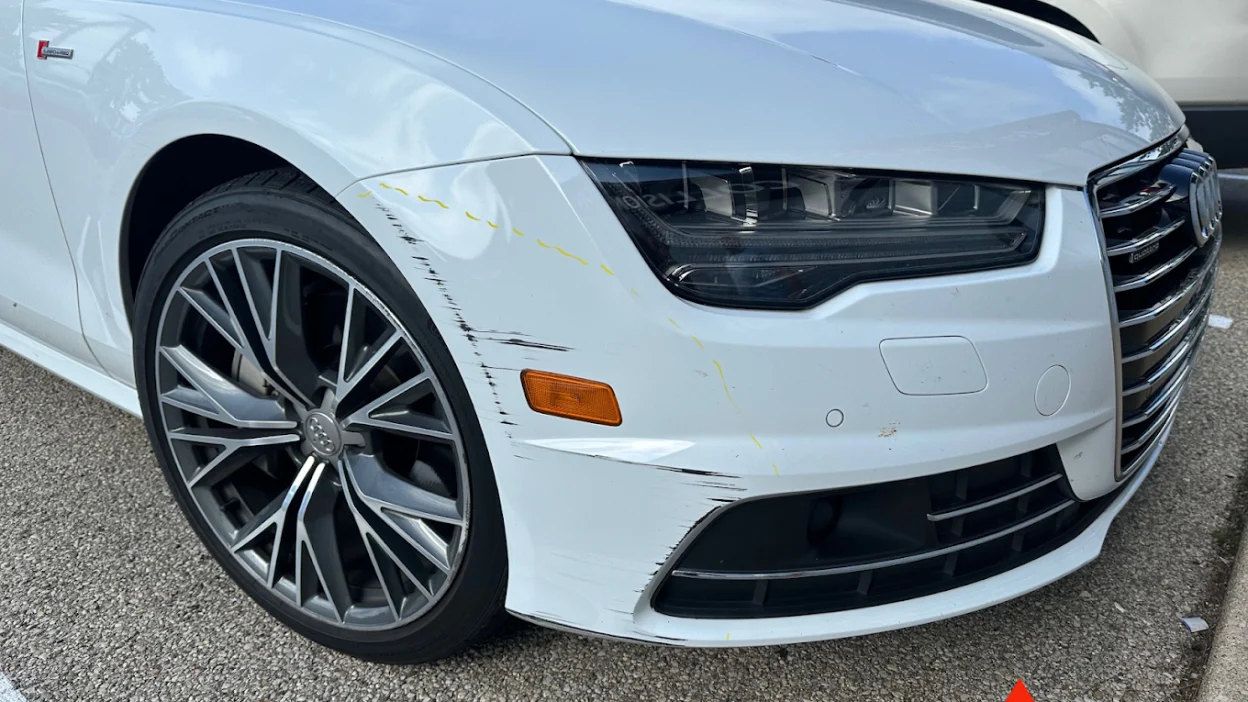
Anyone who has dealt with a dent, scratch, or collision repair knows that getting the paint to match perfectly is one of the most difficult parts of the process. Even a minor color variation can make a repaired panel stand out against the rest of the vehicle. That is where computerized paint matching comes in. For car owners in the Seattle, WA area, this technology has transformed the way auto body technicians approach color replication, making results that are virtually indistinguishable from the factory finish achievable. This guide breaks down exactly how the technology works, why it outperforms traditional methods, and what to expect from a professional paint matching service.
What Is Computerized Paint Matching?
Computerized paint matching is a technology-driven process that uses specialized equipment to analyze a vehicle’s existing paint color and generate a precise formula for replicating it. Unlike older methods that relied primarily on a technician’s visual judgment, computerized systems measure the paint scientifically and remove much of the guesswork from the equation.
At the core of the process is a device called a spectrophotometer. This tool scans the surface of the vehicle and measures how light interacts with the paint at multiple angles. It captures data on hue, saturation, brightness, and the metallic or pearl flake characteristics that give modern automotive paints their depth and complexity.
The data collected by the spectrophotometer is then fed into paint-matching software, which cross-references it against an extensive database of manufacturer color formulas. The software identifies the closest match and, in many cases, adjusts the formula to account for how the original paint has aged or faded over time. The result is a custom-blended paint that closely mirrors the vehicle’s current color rather than simply the original factory specification.
Key Steps in the Computerized Matching Process
- Surface preparation: The technician cleans and inspects the area to be scanned to ensure accurate readings.
- Spectrophotometer scanning: The device takes measurements at multiple angles across the paint surface.
- Data analysis: The software processes the readings and identifies the best-matching formula from its database.
- Formula adjustment: Technicians fine-tune the formula based on the vehicle’s age, condition, and any visible fading.
- Paint mixing: The custom formula is mixed using precise measurements to produce the blended color.
- Test application: A small spray-out card or test panel is used to verify the match before the final application.
How Traditional Paint Matching Works
Before computerized systems became widely available, paint matching was a manual craft that depended heavily on the skill and experience of individual technicians. The traditional approach typically involved:
- Color code lookup: Technicians would locate the vehicle’s paint code, usually found on a sticker inside the door jamb or under the hood, and order a pre-mixed paint based on that code.
- Visual comparison: The technician would compare paint chip samples to the vehicle under specific lighting conditions.
- Trial and error mixing: Adjustments were made by eye, adding tints incrementally until the blend appeared correct.
While skilled technicians could achieve good results with these methods, the process was inherently subjective. Human vision varies from person to person, and lighting conditions, surface texture, and paint aging made exact visual matching unreliable. Additionally, a vehicle’s paint code reflects the color as it left the factory, not how it looks after years of sun exposure, washing, and wear.
Why Computerized Paint Matching Delivers More Accurate Results
The advantages of computerized paint matching over traditional methods come down to precision, consistency, and adaptability.
Objective Measurement vs. Human Perception
The human eye is remarkably good at detecting color differences, but it is also susceptible to optical illusions, fatigue, and variations in ambient lighting. A spectrophotometer measures light wavelengths objectively and consistently, regardless of the time of day or the brightness of the shop’s lighting. According to research published by the Society of Automotive Engineers (SAE), color measurement technology significantly reduces the variability associated with human visual inspection in automotive paint applications.
Accounting for Paint Aging and Fading
One of the most common reasons traditional color code matching falls short is that it does not account for how paint changes over time. UV radiation, oxidation, and regular washing gradually alter a vehicle’s color. A paint mixed directly from the factory code may be noticeably brighter or more saturated than the aged paint surrounding the repair area.
Computerized systems scan the actual surface of the vehicle and formulate a match based on its current state, not an idealized factory standard. This means the repaired area blends with the surrounding panels rather than standing out as noticeably newer looking.
Access to Continuously Updated Databases
Modern paint matching software is regularly updated with new manufacturer formulas and thousands of color variants. Many manufacturers offer multiple sub-variants of a single listed color, and the exact formula can vary by production year or plant location. Computerized systems give technicians access to this breadth of information instantly, whereas manual methods relied on printed color chip books that could quickly become outdated.
Consistency Across Multiple Panels
When a repair requires matching paint across several panels, consistency is critical. Computerized mixing systems produce the same formula batch after batch, ensuring that paint mixed for the driver’s door matches paint mixed for the adjacent fender. Manual mixing introduces the possibility of slight variations between batches, which can result in subtle but visible tonal differences between panels.
The Role of Technician Skill in the Computerized Process
It is worth noting that computerized paint matching is a tool that enhances a technician’s capabilities rather than replacing their expertise. Experienced painters still play a critical role in interpreting spectrophotometer data, making judgment calls about formula adjustments, and applying the paint using techniques that affect how the final finish looks and feels.
Application technique matters enormously. Factors such as spray gun pressure, application distance, paint viscosity, and drying conditions all influence how color appears on the surface. A perfectly matched formula can still look off if the application is inconsistent, which is why professional shops combine precise computerized mixing with the trained eye of skilled technicians.
The Automotive Body Parts Association (ABPA) highlights that proper surface preparation and application technique are just as important as the accuracy of the paint formula itself.
Benefits of Professional Paint Matching for a Flawless Finish
Choosing a professional service that uses computerized paint matching offers several tangible benefits for vehicle owners.
Seamless blending: The goal of any paint repair is for the repaired area to be invisible. Computerized matching gives technicians the best starting point for achieving that result.
Time efficiency: Because the formula is generated quickly and accurately, less time is spent on trial-and-error adjustments, which can shorten the overall repair timeline.
Reduced material waste: Precise formulas mean less paint is wasted on test batches and corrections.
Better long-term results: A well-matched paint job blends naturally with the surrounding panels and is less likely to draw attention as the vehicle continues to age.
Confidence in the outcome: Vehicle owners can have greater peace of mind knowing that a systematic, data-driven process was used rather than relying solely on one technician’s visual estimate.
For those seeking this level of quality in the Seattle area, computerized paint matching services are available through professional collision repair centers that invest in the equipment and training needed to deliver accurate results.
Does Computerized Matching Work for All Vehicle Colors?
Computerized paint matching works well across a wide spectrum of automotive colors, including solids, metallics, and pearls. However, some complex paint types require additional care.
Multi-layer finishes, sometimes called tri-coat or quad-coat paints, involve multiple translucent layers applied over a base color. These finishes are common on luxury and specialty vehicles and can be challenging to replicate because the final color depends on the interaction between layers. Spectrophotometers are capable of analyzing these finishes, but the mixing and application process requires additional expertise.
Similarly, older vehicles with heavily oxidized or unevenly faded paint may present measurement challenges. In these cases, technicians may take multiple readings from different areas of the vehicle to develop a composite match that accounts for the variation.
According to PPG Industries, one of the leading manufacturers of automotive coatings, advancements in spectrophotometry continue to improve accuracy for even the most complex paint formulations.
Wrapping Up: Is Computerized Paint Matching Worth It?
Computerized paint matching represents a meaningful improvement over traditional visual methods. By replacing subjective judgment with objective measurement, accounting for real-world aging and fading, and providing access to vast formula databases, the technology gives technicians the tools they need to produce repairs that blend seamlessly with a vehicle’s existing finish.
For vehicle owners, the practical takeaway is straightforward. Choosing a repair facility that uses computerized paint matching increases the likelihood of a result that looks right, lasts long, and maintains the vehicle’s appearance and value. While no technology can guarantee perfection in every situation, the combination of accurate digital measurement and skilled application gets closer to that goal than any previous approach.
Frequently Asked Questions
1. How accurate is computerized paint matching compared to traditional methods?
Computerized paint matching is significantly more accurate than traditional manual methods because it uses spectrophotometry to measure color objectively. The technology accounts for factors like paint aging and metallic flake orientation that the human eye cannot reliably distinguish.
2. Can computerized paint matching replicate faded or weathered paint?
Yes. One key advantage of computerized matching is that it scans the vehicle’s current paint surface rather than using the original factory color code. This allows the system to generate a formula that matches the paint as it looks today, including any fading or discoloration that has occurred over time.
3. How long does the computerized paint matching process take?
The scanning and formula generation phase typically takes only a few minutes. The total time depends on the complexity of the repair and drying time between coats, but computerized matching generally reduces the process compared to manual trial-and-error methods.
4. Is computerized paint matching available for all types of vehicles?
Computerized paint matching works for most vehicles, including those with solid, metallic, pearl, and tri-coat finishes. Highly complex multi-layer finishes may require additional expertise and multiple measurement readings, but modern spectrophotometers are equipped to handle these scenarios.
5. Does the color match hold up over time?
A properly matched and applied paint finish should age at a similar rate to the surrounding panels, keeping the repair blended over time. Longevity also depends on the quality of paint products used, the preparation and application process, and how well the vehicle is maintained after the repair.