Your deck is one of the most used and visible features of your home’s outdoor living space. Over time, exposure to weather, moisture, and daily foot traffic can leave it looking worn, feeling unsafe, or simply falling short of what it once was. For homeowners facing this situation, the central question becomes whether deck repair or replacement in Cincinnati, OH is the smarter path forward. The answer depends on several key factors, including the extent of the damage, the age of the structure, your long-term plans for the home, and your budget. Understanding how these variables interact will help you make a confident, informed decision rather than an expensive mistake.
If you are already exploring your options, professional deck installation and repair services can help you assess the condition of your deck and recommend the most cost-effective solution. This guide is designed to walk you through the decision-making process with a clear, practical framework built on structural logic, financial comparison, and long-term value.
Signs Your Deck Can Be Repaired vs. When Replacement Is Necessary
Not every damaged deck needs to be torn down and rebuilt from scratch. In many cases, targeted repairs can extend the life of a structurally sound deck by years. The key is identifying which problems are cosmetic or isolated versus which ones signal a deeper, more systemic failure.
Decks that are good candidates for repair typically have damage limited to a specific area or component. Replacing a handful of cracked or splintered surface boards, tightening loose fasteners, reinforcing a single wobbly railing post, or refinishing a weathered surface are all repairs that make sense both structurally and financially. If your deck was built with quality materials and proper construction techniques, and the substructure including the joists, beams, and ledger board is still in good condition, a targeted repair can restore safety and appearance without the cost of a full rebuild. According to the North American Deck and Railing Association (NADRA), regular inspection and prompt maintenance are the single most effective strategies for maximizing deck lifespan.
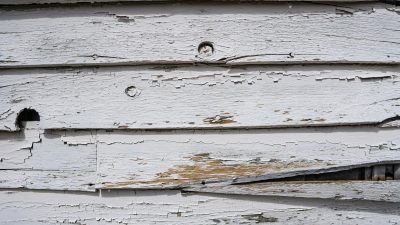
Replacement becomes necessary when structural integrity has been compromised across a wide area. Widespread rot in the joists or beams is one of the clearest signals that repair is no longer a viable option. When you press a screwdriver into a joist and it sinks in easily, that wood has lost its load-bearing capacity and the entire frame may need to come down. Similarly, if the ledger board, which is the board that attaches your deck to your home, has rotted or separated from the house, you are looking at a serious safety hazard that typically warrants a full replacement. Other indicators include a deck that sags or bounces underfoot, widespread insect damage, multiple posts showing signs of decay at ground level, or a structure that is more than 20 to 25 years old with no documented history of maintenance or treated lumber replacement.
Age alone is not a reason to replace a deck, but it is an important factor in the cost-benefit analysis. Wood decks typically last between 10 and 15 years with regular upkeep, while pressure-treated lumber can extend that range somewhat further. A 20-year-old deck made of untreated wood that has never been sealed, stained, or inspected may be more costly to repair repeatedly than to replace once with a more durable material. The honest answer to whether your deck can be repaired often requires a professional eyes-on assessment, because surface damage can conceal deeper structural concerns that only become visible when boards are removed or substructure is probed.
Cost Comparison Between Deck Repair and Full Replacement
Understanding the financial picture is essential to making a sound decision. While repair is almost always less expensive in the short term, the total cost over time depends heavily on the current condition of the deck and the quality of work performed.
Minor repairs such as replacing a few boards, re-fastening loose railings, or applying a fresh coat of sealant can cost anywhere from a few hundred to roughly one thousand dollars depending on the scope and materials. Moderate repairs that involve replacing a larger section of decking boards, reinforcing joists, or installing new stair stringers typically range from $1,000 to $3,500. These figures vary based on the size of the deck, the materials being matched, and local labor rates. According to HomeAdvisor’s cost data for deck repairs, homeowners nationwide report an average deck repair cost of around $1,500, with complex structural work pushing costs considerably higher.
A full deck replacement involves a wider range of costs depending on the size, material, and design complexity. A basic pressure-treated wood replacement deck typically costs between $15 and $25 per square foot installed, while composite decking such as Trex or TimberTech generally ranges from $30 to $60 per square foot or more depending on the product tier and site conditions. For a standard 300 to 400 square foot deck, total replacement costs can fall anywhere from $5,000 to $25,000 or beyond for premium materials with custom features. While these numbers are higher upfront, composite materials require significantly less ongoing maintenance than wood, which means the long-term cost of ownership can actually favor replacement when you factor in the reduced need for staining, sealing, and repeated repairs over the life of the structure.
A useful rule of thumb that many contractors apply is this: if the cost of repairs exceeds 50 percent of the cost of a full replacement, replacement is likely the better financial decision. This threshold accounts for the reality that aging structures often require additional repairs shortly after the initial fix, leading to a pattern of escalating maintenance costs. When you add up two or three rounds of moderate repairs over five years, you may find that you have spent more than a new deck would have cost while still living on an aging, deteriorating structure. A transparent, itemized estimate from a qualified contractor is the best tool for comparing these scenarios accurately.
Benefits of Professional Deck Repair and Installation Services
Whether your deck needs targeted repairs or a full rebuild, working with an experienced professional makes a meaningful difference in the quality, safety, and longevity of the outcome. DIY repairs may seem cost-effective initially, but improperly executed structural work can create safety hazards, code violations, and more expensive problems down the road.
Professional contractors bring the expertise to accurately diagnose the true extent of damage, something that is often impossible to determine without removing boards and inspecting the substructure directly. A qualified deck contractor will evaluate not just what is visible on the surface but also the condition of the framing, the integrity of the ledger board connection, the adequacy of the footing depth, and whether the existing structure meets current building codes. In many municipalities, deck work that exceeds a certain scope requires a permit, and a licensed contractor will know when that threshold applies and how to ensure the work meets local code requirements. This protects you both in terms of safety and in terms of home resale value, since unpermitted deck work can complicate real estate transactions.
Professional installation also ensures that the materials you invest in are used correctly, which directly affects how long they perform. Composite decking, for example, requires specific fastening systems, expansion gaps, and ventilation considerations that differ from traditional wood installation. Installing composite boards incorrectly can lead to buckling, moisture trapping, and premature deterioration, negating the very advantages that made the material appealing in the first place. When you work with a contractor who has experience with the specific products being installed, you protect both your investment and the manufacturer’s warranty coverage.
Beyond the technical benefits, a professional service relationship gives you access to a detailed, written scope of work and a cost estimate you can rely on before any work begins. This transparency helps you plan financially and hold the contractor accountable to the agreed-upon standards. Homeowners who invest in professional deck services also gain peace of mind knowing that the structure their family and guests will use for years has been built or restored to a documented standard of quality. For those in the greater Cincinnati area, connecting with a local contractor who knows the climate, local code requirements, and common material challenges in this region adds further value to the professional service relationship.
Making the Final Decision: A Practical Framework
Knowing how to weigh all of these factors together is ultimately what separates a confident decision from an uncertain one. A practical approach involves three steps: inspect, compare, and plan.
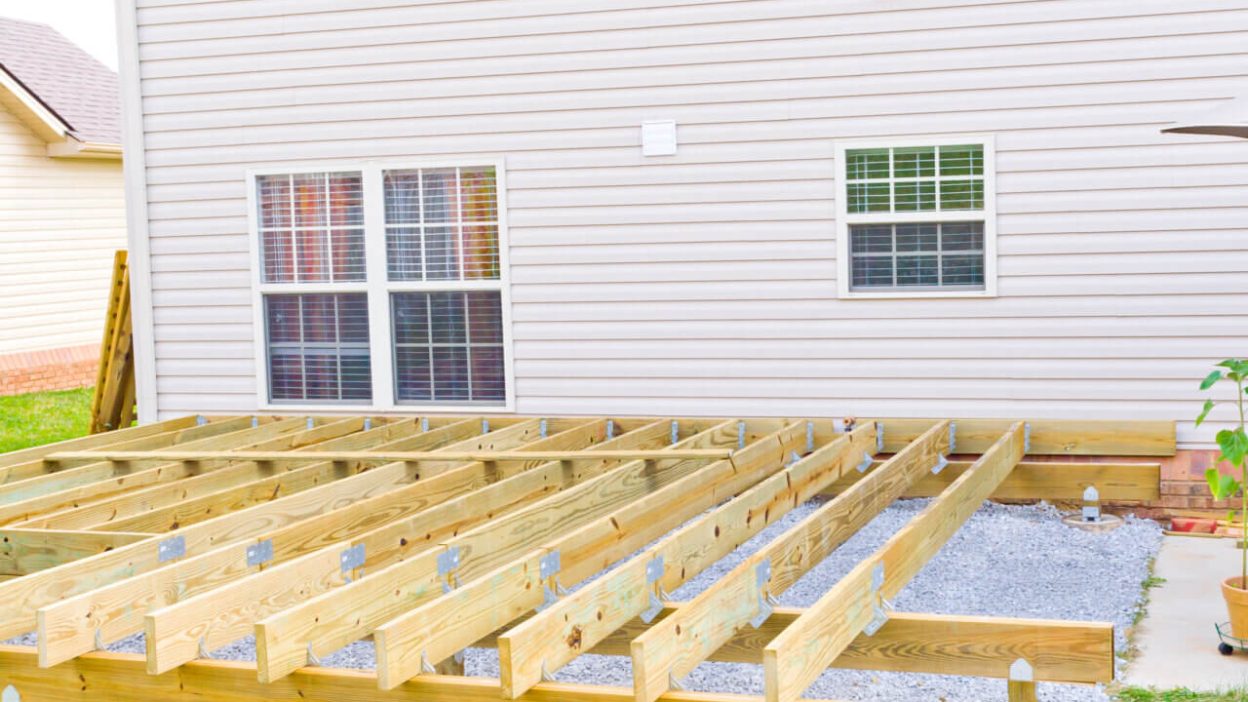
Start with a thorough inspection, ideally conducted by a professional who can evaluate both the surface condition and the structural integrity of the subframe. Pay particular attention to the ledger board, the condition of joists and beams, and the base of any posts that are in direct contact with the ground or concrete. If the inspector finds that more than a third of the structural members show signs of decay, replacement is almost certainly the more prudent choice. If the substructure is solid and the damage is limited to surface boards, railings, or cosmetic elements, a well-executed repair will likely serve you well for another decade or more with proper ongoing maintenance.
Next, compare the costs honestly. Get written estimates for both repair and replacement and apply the 50 percent rule. Factor in not just the immediate cost but also the expected maintenance cost of each option over the next ten years. A freshly repaired wood deck that will need to be sealed every two to three years, with potential for additional board replacement as the structure continues to age, has a different ten-year cost profile than a new composite deck that requires minimal maintenance and carries a manufacturer warranty of 25 years or longer.
Finally, consider your long-term plans for the home. If you plan to sell in the next two to three years, a new composite deck can offer a meaningful boost to curb appeal and resale value, since outdoor living space is consistently ranked among the features that buyers prioritize. If you plan to stay in the home for many years, the investment in a quality replacement deck becomes even more justified by the enjoyment and functional value it adds to your daily life.
The Bottom Line on Deck Repair or Replacement
Deciding between deck repair or replacement is not a one-size-fits-all answer, and the right choice depends on a careful evaluation of structural condition, cost, and long-term value. Repairs make sense when the damage is isolated, the substructure is sound, and the cost is well below the threshold of replacement. Replacement becomes the smarter investment when structural integrity is widely compromised, when the deck is approaching or past its expected lifespan, or when the cumulative cost of repairs rivals the cost of starting fresh with modern, more durable materials. In either case, working with a qualified professional ensures that the assessment is accurate, the work meets code, and the outcome lasts.
Homeowners who take the time to understand both options are better positioned to protect their investment and make a choice they will be confident in for years to come. If your deck has been showing signs of wear and you are ready to move from uncertainty to a clear plan, scheduling a professional inspection is the best first step.
Frequently Asked Questions
1. How do I know if my deck needs repair or replacement?
The most reliable way to determine whether your deck needs repair or replacement is to have it professionally inspected. During the inspection, a contractor will evaluate the condition of the surface boards, railings, stairs, and most importantly, the structural subframe including joists, beams, ledger board, and post bases. If structural damage is isolated to a small area and the rest of the frame is sound, repair is likely sufficient. If rot, insect damage, or serious deterioration affects the substructure broadly, replacement is typically the safer and more cost-effective long-term solution.
2. What is the average cost to repair a deck vs. replace it?
Minor deck repairs such as replacing a few boards or tightening fasteners can cost a few hundred dollars, while more significant structural repairs may range from $1,000 to $3,500 or more. A full deck replacement typically starts around $5,000 for basic pressure-treated wood and can exceed $20,000 or more for larger composite decks with custom features. A useful benchmark is that if your repair estimate exceeds roughly half the cost of a full replacement, replacement is often the better financial decision when viewed over a five to ten year horizon.
3. How long does a repaired deck typically last?
A properly executed repair on a structurally sound deck can extend its useful life by 10 or more years, provided the deck receives appropriate ongoing maintenance such as regular cleaning, sealing, and annual inspection. The longevity of the repair depends on the quality of materials used, the workmanship, and how well the deck is maintained going forward. Skipping regular maintenance after a repair is one of the most common reasons homeowners find themselves facing the same or greater issues just a few years later.
4. Is composite decking worth the higher upfront cost?
For most homeowners, composite decking represents a strong long-term value despite its higher initial price. Composite materials such as Trex or TimberTech are engineered to resist rot, insects, fading, and moisture without the ongoing need for sealing or staining that wood requires. Many composite products carry warranties of 25 years or longer, and their low maintenance profile means lower total cost of ownership over the life of the deck compared to wood that requires regular treatment and more frequent board replacement.
5. Do I need a permit to replace my deck in Cincinnati, OH?
In most cases, yes. Deck replacement in Cincinnati and the surrounding area typically requires a building permit, particularly when the work involves structural changes, altering the footprint, or installing a new subframe. Unpermitted deck work can create complications when selling your home and may not be covered by homeowner’s insurance in the event of an accident. A licensed contractor will handle the permitting process as part of the project and ensure the completed work passes inspection and meets current local building codes.
6. What are the most common signs that a deck needs immediate attention?
Signs that a deck requires prompt professional evaluation include boards that feel spongy or soft when walked on, visible rot or dark discoloration at post bases or along joists, railings that wobble or feel unstable, visible gaps where the ledger board meets the house, fasteners that are visibly corroded or pulling away from the framing, and a noticeable bounce or flex in the decking surface underfoot. Any of these conditions can represent a safety hazard, and addressing them sooner rather than later typically results in a less costly repair or a more informed replacement decision.