Natural gas powers millions of homes across the country, fueling everything from stoves and water heaters to furnaces and dryers. But despite how common it is, many homeowners are unaware of just how quietly and dangerously it can escape from aging connections and faulty appliances. Knowing how to detect a gas leak in your home, especially in a city where older housing stock is common, is one of the most important safety skills a homeowner can have. If you suspect any issues with your gas lines, contacting a professional for gas line services is the safest and most effective course of action.
This guide walks you through the warning signs, the right steps to take in an emergency, and what you can do year-round to keep your home and family protected.
Why Gas Leaks Are So Easy to Miss
Natural gas in its raw form is completely colorless and odorless. Utility companies add a chemical called mercaptan, which produces that familiar sulfur or rotten-egg smell, specifically so people can detect leaks. The problem is that slow or small leaks may produce only a faint trace of that odor, especially in well-ventilated areas or outdoors. Many homeowners dismiss a fleeting whiff as coming from a nearby drain or a neighboring property, not realizing there is an actual gas issue forming nearby.
That is why relying on a single sense is never enough. A thorough awareness of the three-sense detection method can be the difference between catching a problem early and facing a genuinely dangerous situation.
The Three-Sense Test for Detecting a Gas Leak
1. Smell: The Rotten-Egg Odor
The most well-known sign of a gas leak is a sulfur or rotten-egg smell caused by mercaptan. If you detect this odor inside your home, near appliances, or along your exterior gas line, take it seriously even if the smell seems faint.
Keep in mind that the odor may be stronger in enclosed spaces like basements, utility closets, or laundry rooms where gas appliances are housed. In open areas, it can dissipate quickly. If you smell something unusual even briefly, do not brush it off. Trust your instincts.
It is also worth noting that certain individuals, including those with sinus problems or reduced sense of smell, may not detect mercaptan reliably. This makes the following two senses even more important.
2. Sound: Hissing Near Appliances or Lines
Gas escaping from a pressurized line will often produce a hissing or whistling sound near the source of the leak. This is most commonly heard close to gas appliances such as stoves, dryers, water heaters, or furnaces. You might also hear it near the gas meter outside or along buried supply lines.
To check for this, turn off any background noise sources like televisions or fans, then listen carefully near each gas appliance and connection point. A persistent hissing sound that does not correspond to normal appliance operation is a red flag that warrants immediate attention.
3. Sight: Visual Clues You Should Not Ignore
Gas leaks, particularly outdoor ones from underground supply lines, often leave visible evidence that homeowners overlook.
Dead or dying vegetation in an otherwise healthy yard is one of the most telling signs. When gas seeps into the soil, it displaces oxygen and essentially suffocates plant roots. If you notice a strip of yellowing grass, dead patches, or wilting plants in a straight line across your yard (which may correspond with where a gas line runs), that pattern is worth investigating.
Bubbling in standing water or puddles near your gas meter or buried lines is another visual indicator. You can also conduct a deliberate soap-bubble test on exposed connections. Apply a mixture of dish soap and water to joints and fittings. If bubbles form and continue to grow, gas is escaping from that point.
Visible frost or condensation on outdoor gas lines can also indicate a high-pressure leak in cold weather, as rapidly escaping gas causes the surrounding area to cool.
According to the U.S. Fire Administration, gas leaks are a leading cause of residential fires and explosions, making early visual detection critically important.
What to Do Immediately If You Suspect a Gas Leak
Speed and caution are essential. If any of the three senses signal a possible gas leak, follow these steps without delay.
Evacuate the building immediately. Do not stop to gather belongings. Get everyone, including pets, out of the house as quickly and calmly as possible. Leave the front door open as you exit to help ventilate the space.
Do not touch any electrical switches, outlets, or appliances. This includes light switches, garage door openers, and phones inside the home. Even a small electrical spark can ignite accumulated gas. Do not unplug anything either.
Do not use open flames. Avoid lighting matches, candles, or cigarettes anywhere near the property until the situation has been fully assessed.
Move well away from the building before making any calls. Once you are at a safe distance, call your gas utility company using their emergency line. They can dispatch a technician to shut off your supply and assess the situation. Following that, call a licensed plumber who specializes in gas line services to locate the exact source of the leak and make the necessary repairs.
Do not re-enter the property until the utility company or a qualified professional has given you the all-clear.
The American Gas Association recommends that homeowners familiarize themselves with the location of their gas shutoff valve and how to operate it, though in a true emergency, it is safer to leave the shutoff to a professional unless you have been specifically trained.
Appliances and Connections Most Prone to Slow Leaks
Not all gas leaks announce themselves dramatically. Many develop slowly over months or years as fittings loosen, flexible connectors age, or appliance seals degrade. Understanding where these vulnerabilities tend to occur helps homeowners stay one step ahead.
Flexible gas connectors are corrugated metal tubes that connect appliances to the main supply line. These are commonly found behind stoves, dryers, and water heaters. Over time, they can corrode, kink, or develop micro-fractures, especially in older homes where they have never been replaced.
Gas range and oven connections are a frequent culprit, particularly after the appliance has been moved for cleaning or remodeling. Even a slight shift can loosen the fitting enough to create a slow leak.
Water heater connections, both at the supply line and the pressure relief valve, are also worth monitoring. Older water heaters with pilot lights are especially susceptible to connection wear.
Furnace and HVAC system connections are often in less accessible locations, making slow leaks harder to detect during everyday activity.
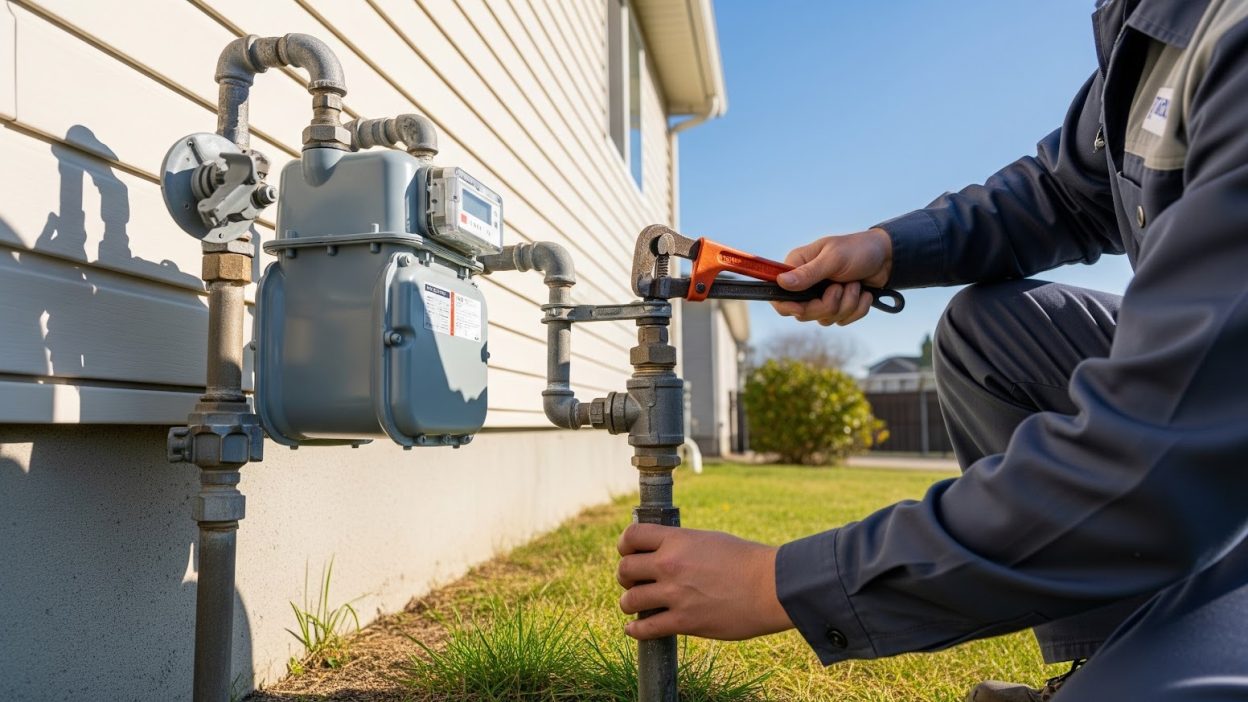
Outdoor gas meter connections and buried supply lines are exposed to soil movement, temperature fluctuations, and corrosion, all of which can degrade seals and fittings over time.
Annual inspections by a licensed plumber or gas line technician are the most reliable way to catch these issues before they become emergencies. A professional can use specialized gas detection equipment to test every connection point in your home, including areas that are inaccessible or hidden behind walls. The National Fire Protection Association (NFPA) recommends regular inspection of all gas appliances and supply lines as part of a standard home safety routine.
Final Thoughts: Early Detection Protects Lives and Property
Gas leaks are not rare, but they are preventable and manageable when caught early. The key is staying informed and observant. Trusting a faint smell, an unfamiliar sound, or an unusual patch of dead grass in your yard could prevent a serious emergency. Equipping your home with carbon monoxide and gas detectors adds another layer of protection, especially in areas where appliances are housed.
If you live in an older home, have recently had work done near your gas lines, or simply have not had your system inspected in several years, scheduling a professional gas line evaluation is one of the most proactive things you can do for your household’s safety.
For homeowners who want expert support from a trusted local provider, you can find qualified gas line professionals through this local service listing to locate a licensed technician near you.
Wrapping It All Up
Understanding how to detect a gas leak in your home is not just a matter of convenience. It is a fundamental part of responsible homeownership. By training yourself to recognize the smell of mercaptan, listen for hissing near appliances, and watch for visual clues like dead vegetation or soapy bubbles, you give yourself the best chance of catching a problem before it escalates. And when you do suspect a leak, acting quickly and calmly, by evacuating, avoiding electrical switches, and calling the right professionals, makes all the difference.
Annual inspections remain the gold standard for prevention. A licensed plumber can identify and resolve vulnerabilities in your system that you would never find on your own. Do not wait for an obvious sign. The slow leaks are the ones that go undetected the longest.
Frequently Asked Questions
Q1: Can a gas leak occur even if I do not smell anything?
Yes. While mercaptan is added to natural gas to create a detectable odor, slow leaks may disperse before reaching a strong enough concentration to smell, especially in well-ventilated areas. This is why visual and auditory checks are equally important, and why installing gas detectors in your home provides an added layer of safety.
Q2: How long does it take for a gas leak to become dangerous?
This depends on the size of the leak, the ventilation in the space, and the proximity to ignition sources. A significant leak in a closed room can reach dangerous concentrations within minutes. Even small, slow leaks are serious over time because they can build up in enclosed spaces without warning. Any suspected leak should be treated as an emergency.
Q3: Is it safe to stay in a room if the gas smell is very faint?
No. Even a faint odor should prompt you to evacuate and ventilate the space immediately. Do not assume a faint smell means the situation is minor. Gas concentrations can build quickly, and a small spark from a light switch or appliance is all it takes to ignite accumulated gas.
Q4: How often should I have my gas lines professionally inspected?
At minimum, an annual inspection of your gas appliances and connections is recommended. Homes with older appliances, aging flexible connectors, or recently completed renovations near gas lines may benefit from more frequent checks. A licensed plumber can assess your entire system and flag any areas of concern.
Q5: What is the difference between a natural gas leak and a carbon monoxide problem?
Natural gas is a fuel source that can ignite or explode and carries a distinctive rotten-egg odor when the mercaptan additive is present. Carbon monoxide is a byproduct of incomplete combustion from gas appliances and has no odor or color. Both are hazardous, but they require different detectors. Every home with gas appliances should have both a natural gas detector and a carbon monoxide detector installed at appropriate locations throughout the home.