Florida homeowners know the drill: a tropical storm or hurricane rolls through, the skies clear, and life seems to return to normal within hours. But normal appearances can be deeply misleading. Signs of roof damage after a storm in Florida are often invisible from the ground, buried beneath layers of shingles or hidden inside the roofing system itself. By the time a water stain appears on your ceiling, you could already be dealing with rotted decking, active mold colonies, or an insurance claim that has grown far more complicated than it needed to be.
If your property experienced winds above 40 mph or direct storm activity, scheduling a professional roof repair inspection as soon as possible is one of the smartest moves you can make. This article walks through the seven most important warning signs to look for after a Florida storm, which ones you can assess yourself from ground level, and which ones require a trained eye to catch before they become expensive emergencies.
Why Florida Storms Are Uniquely Destructive to Roofs
Florida sits at the crossroads of Atlantic hurricane activity and Gulf tropical systems, giving it one of the highest storm frequencies of any state in the country. Unlike a single-season event in other regions, Florida roofs endure repeated stress: high winds, heavy rain, flying debris, rapid pressure changes, and intense UV exposure in the days following a storm.
According to the National Hurricane Center, even tropical storms with winds between 39 and 73 mph can lift flashing, crack tile, and compromise the seals that keep water from penetrating the roofing system. The structural damage from these events is often cumulative. Each storm weakens fasteners, shifts underlayment, and creates micro-pathways for moisture that may not manifest as a visible interior leak for weeks or even months.
Signs You Can Check From Ground Level
Before calling a professional, there are several visual indicators a homeowner can safely observe from the ground or from a first-floor window. Under no circumstances should you walk on your own roof after a storm, as the structural integrity may be compromised and wet surfaces create serious fall hazards.
1. Lifted or Missing Shingle Tabs
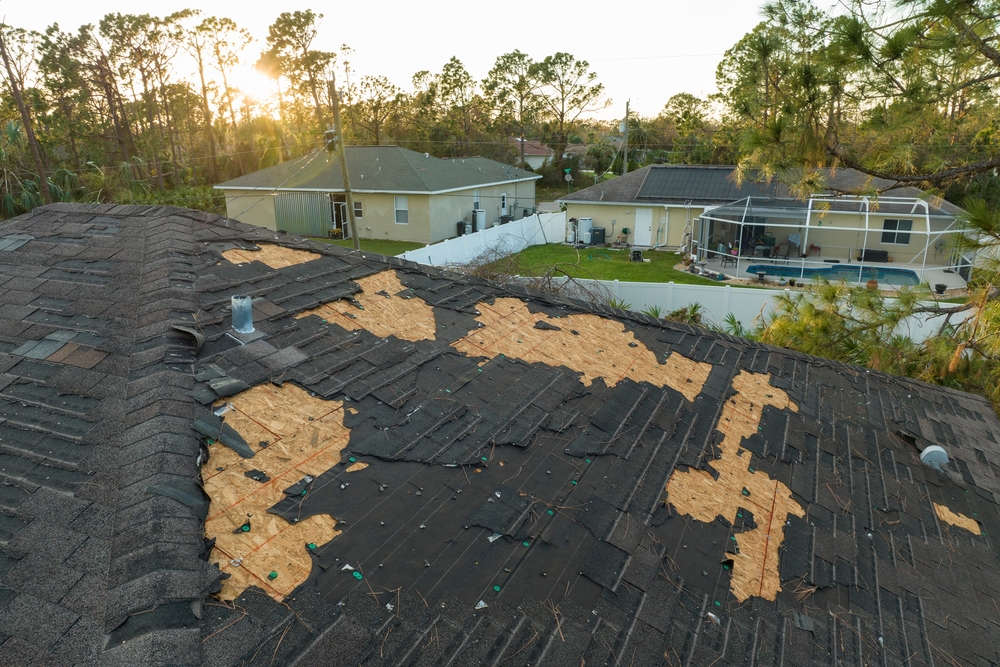
Walk around your home’s perimeter and scan the roofline carefully. Look for shingle tabs that appear raised, curled at the edges, or are missing entirely. Even a single displaced shingle creates an opening where wind-driven rain can penetrate to the underlayment and decking below. In Florida’s climate, that moisture does not need long to initiate mold growth or wood rot.
Missing shingles after a storm are also a critical piece of documentation for your insurance claim. Photograph every affected area from multiple angles before any cleanup begins.
2. Cracked or Displaced Ridge Caps
The ridge cap runs along the peak of your roof and is one of the most wind-vulnerable components on the entire structure. High winds hit the ridge at an angle that creates significant uplift pressure. Cracked, loosened, or missing ridge cap shingles are a common post-storm finding and one that homeowners can often spot with the naked eye from street level.
3. Displaced or Cracked Roof Tiles
Homes with clay or concrete tile roofing are extremely common in Florida, and tile systems have their own set of vulnerabilities. After a storm, look for tiles that appear shifted out of alignment, cracked across the face, or sitting at an angle relative to their neighbors. A displaced tile may still appear intact from a distance while allowing significant water infiltration beneath it.
4. Bent or Separated Flashing
Roof flashing is the thin metal material installed around chimneys, vents, skylights, and at wall-to-roof junctions. These are the transition points most susceptible to wind damage. Bent flashing, flashing that has pulled away from the surface it seals, or visible gaps at any of these transitions are clear indicators that water has a potential entry point. Binoculars can help you examine flashing detail without leaving the ground.
5. Granule Accumulation in Gutters
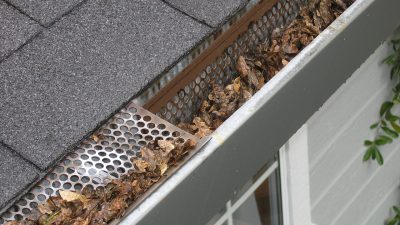
After any significant rain event, take a look at your gutters and downspout discharge areas. A small amount of granule loss is normal over time, but a heavy concentration of dark, sand-like granules following a storm indicates that wind and impact have accelerated shingle wear. Asphalt shingles rely on those granules for UV protection and waterproofing. Heavy granule loss shortens the remaining lifespan of the roof significantly and is worth documenting for your insurer.
Hidden Damage Only a Professional Inspection Catches
The five signs above are the visible surface. Below are the issues that require a trained inspector with proper equipment and safety protocols to identify. These are also the problems most likely to cause serious structural and financial consequences if left undetected.
6. Compromised Underlayment and Loosened Fasteners
Beneath your visible shingles or tile is a layer of underlayment, a waterproofing membrane designed to act as a secondary barrier against moisture. High winds can cause shingles to flex repeatedly, breaking the adhesive seals that hold the underlayment tabs in place without visibly lifting the shingles themselves. Similarly, wind uplift can partially extract roofing nails and fasteners without completely removing the material above them. A roof with loosened fasteners is significantly more vulnerable to the next storm.
A qualified inspector will check fastener patterns, probe for soft spots in the decking, and assess underlayment seal integrity in ways that are not visible to anyone standing at ground level.
7. Soffit Water Staining and Micro-Fractures in Tile
Soffit panels, the horizontal underside sections of your roof overhang, are a quiet indicator of moisture infiltration. Staining, discoloration, or soft spots on the soffit often point to water that has already penetrated the roofing system and is tracking along the decking toward the eaves. By the time the soffit shows staining, the issue above it has typically been present for some time.
For tile roofs specifically, micro-fractures, hairline cracks that are invisible to the untrained eye, can develop from the impact of hail, debris, or the dynamic pressure changes that accompany severe storms. These fractures allow water to wick beneath the tile surface and into the underlayment below. Inspection equipment and close physical examination are the only reliable way to detect them.
The Right Timeline for Scheduling a Post-Storm Inspection
Florida’s insurance landscape makes timing a critical factor. The state has specific requirements around storm damage documentation, and delays in reporting or inspecting damage can create gaps that insurers use to complicate or deny claims.
As a general guideline, a professional roof inspection should be scheduled within 72 hours of a named storm passing through your area if your property was in the storm’s path. If the storm occurred during peak season and your area experienced multiple weather events in quick succession, prioritize the most recent and most severe.
The Federal Alliance for Safe Homes (FLASH) recommends documenting all visible exterior damage with dated photographs before any repairs are made and before debris is cleared from the property. This documentation, combined with a professional inspector’s written report, creates the evidence chain your insurance adjuster needs to process a legitimate storm damage claim.
Early inspection also matters because Florida law sets deadlines for insurance claim notification. Working with a licensed roofing contractor who provides detailed written documentation of all findings puts you in the strongest possible position throughout the claims process.
To find qualified local professionals in your area, you can also search verified listings on Google Maps for roof repair services near you.
What to Do If You Suspect Damage
If your ground-level inspection reveals any of the warning signs described above, or if your home was directly affected by a named storm or Category 1 or higher hurricane, take these steps:
Document everything before any cleanup. Photograph gutters, downspouts, the roofline from all four sides, any visible flashing, and the interior ceiling of every room on the top floor. Note the date and time on each photo if your device does not do so automatically.
Avoid walking on the roof yourself. Even experienced homeowners can cause additional damage or miss warning signs that are only identifiable to trained inspectors.
Contact a licensed Florida roofing contractor. Look for a contractor who provides written inspection reports and has experience working with residential insurance claims. Verbal assessments are not sufficient documentation for most insurers.
Notify your insurance company promptly. Most policies require timely notification of potential claims, and early contact protects your rights under the policy even if the full scope of damage is not yet known.
Final Thoughts: A Proactive Approach Protects More Than Your Roof
The most expensive roof repairs in Florida almost always share a common history: a storm occurred, no visible leak appeared immediately, the homeowner waited, and a minor underlayment issue became a full deck replacement. The moisture that Florida storms introduce into a roofing system does not wait for you to notice it. It works steadily and silently, softening wood, feeding mold, and compounding damage with every subsequent rain event.
Understanding the signs of roof damage after a storm, and acting on them quickly, is the difference between a manageable repair and a multi-week, high-cost remediation. A professional inspection after any significant storm event is not an optional precaution. In Florida, it is one of the most practical decisions a homeowner can make.
Frequently Asked Questions
Q: How soon after a Florida storm should I inspect my roof?
A: Ideally within 72 hours of the storm passing. Early inspection allows you to document damage before weather conditions or debris removal alter the scene. It also ensures you meet any notification timelines required by your homeowner’s insurance policy.
Q: Can I inspect my own roof after a storm?
A: You can perform a visual inspection from the ground using the guidelines in this article. However, physically walking on the roof is not recommended for untrained homeowners. Wet surfaces, compromised structural integrity, and the risk of causing additional damage all make a professional inspection the safer and more thorough option.
Q: What if I do not see any visible damage but my home was in the storm’s path?
A: Visible damage is not a reliable indicator of whether your roof sustained harm. Compromised underlayment seals, loosened fasteners, and micro-fractures in tile are common post-storm findings that produce no visible exterior symptoms. A professional inspection is the only way to rule out hidden damage.
Q: Will my homeowner’s insurance cover a professional roof inspection after a storm?
A: Most homeowner’s insurance policies cover storm damage to the roof, but coverage for the inspection itself varies by policy. Some insurers require a professional inspection report before processing a claim. Contact your insurer directly to understand what your policy covers and what documentation they require.
Q: How do I find a qualified roofing contractor in Florida for a post-storm inspection?
A: Look for contractors who are licensed by the Florida Department of Business and Professional Regulation, carry general liability and workers’ compensation insurance, and have documented experience with storm damage assessments and insurance claim documentation. Requesting a written inspection report, not just a verbal estimate, is an important qualifying question to ask before scheduling.
Q: What is the difference between granule loss and normal shingle wear?
A: All asphalt shingles lose a small number of granules over time as part of normal aging. Post-storm granule loss is typically concentrated, appearing in significant quantities in gutters or downspout discharge areas following a single weather event. Heavy granule loss in a short period accelerates shingle degradation and is considered storm-related wear that may be covered under your insurance policy.