Selecting the right trailer type for full truckload (FTL) shipping is critical to success. The choice between dry van vs flatbed shipping directly impacts your costs, delivery timelines, and cargo safety. Many first-time shippers learn this lesson the hard way through rejected loads, re-booking fees, or damage claims that proper planning could have prevented. Understanding when to use each trailer type is essential for full truckload freight operations.
Choosing the wrong trailer creates expensive problems. Rejected loads mean delays, frustrated customers, and fees that erode profits. Improper trailer selection can damage goods, trigger insurance claims, and harm business relationships. This guide provides the knowledge you need to make informed decisions about dry van and flatbed trailers.
Understanding Dry Van Trailers
Dry van trailers are enclosed, box-shaped trailers with solid walls, a roof, and rear doors. Standard dimensions are 53 feet long, 8.5 feet wide, and 9 feet tall, providing approximately 3,800 cubic feet of cargo space.
These trailers excel at protecting freight from weather, theft, and road debris. They’re perfect for palletized goods, boxed products, electronics, textiles, and anything requiring shelter from rain, snow, wind, and sun. Dry vans accommodate loads up to 45,000 pounds and offer security through enclosed walls and locked doors.
Loading occurs through rear doors using forklifts, pallet jacks, and loading docks. Once secured inside, cargo needs minimal attention during transport since it’s already protected.
Exploring Flatbed Trailers
Flatbed trailers are open platforms without sides, roof, or doors. Standard dimensions match dry vans at 53 feet by 8.5 feet, but without height restrictions, they accommodate taller cargo that won’t fit inside enclosed trailers.
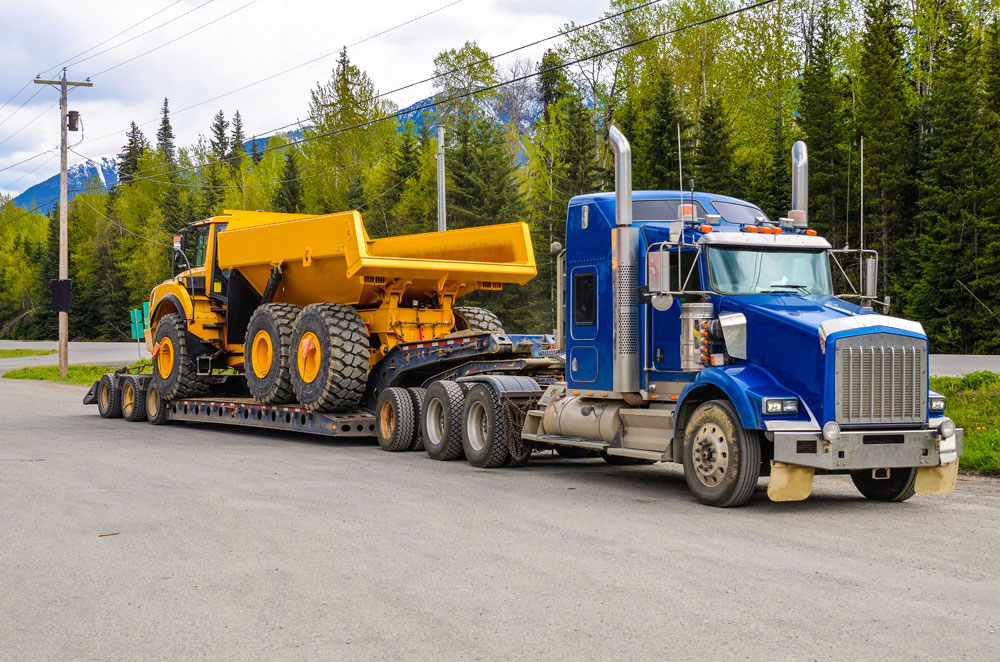
These trailers handle oversized, irregularly shaped, or heavy items like construction materials, steel beams, lumber, machinery, and equipment. The open design means cargo dimensions are limited only by legal road limits rather than trailer interior space.
Flatbed trailers handle loads up to 48,000 pounds and can carry items exceeding standard height restrictions. According to the Federal Highway Administration, most states allow heights up to 13.5 feet without special permits.
Cargo can be loaded from any side or from above using cranes, perfect for items that can’t maneuver through standard trailer doors. This flexibility is invaluable for construction sites and manufacturing facilities without loading docks.
Dimensions and Weight Capacity Comparison
Dry Van Specifications:
- Length: 53 feet
- Width: 8.5 feet
- Height: 9 feet interior
- Cubic capacity: 3,800 cubic feet
- Weight capacity: Up to 45,000 pounds
Flatbed Specifications:
- Length: 53 feet
- Width: 8.5 feet
- Height: No restriction (typically up to 13.5 feet)
- Weight capacity: Up to 48,000 pounds
- Loading: 360-degree access
While both share similar length and width, their functional capacities differ significantly. Dry vans prioritize enclosed space and weather protection, while flatbeds prioritize height flexibility and accessibility.
Ideal Cargo Types for Each Trailer
Dry Van Ideal Cargo:
- Palletized goods and boxed products
- Consumer packaged goods
- Electronics and appliances
- Textiles and clothing
- Non-perishable food items
- Furniture and home goods
- Retail merchandise
- Any freight requiring weather protection
Flatbed Ideal Cargo:
- Construction materials (lumber, steel beams, rebar)
- Heavy machinery and equipment
- Vehicles and automotive equipment
- Agricultural equipment
- Large industrial components
- Pipes and coils (steel, aluminum)
- Oversized or irregularly shaped items
The key distinction: cargo needing environmental protection suits dry vans, while items requiring dimensional flexibility or crane loading work better on flatbeds.
Loading and Securement Requirements
Dry Van Loading:
Loading dry vans involves backing up to loading docks and using forklifts or pallet jacks. Products are typically palletized, then secured using load bars, straps, or airbags to prevent shifting. The process is straightforward and uses standard warehouse equipment.
Flatbed Loading and Securement:
Flatbed loading requires specialized equipment like cranes or heavy machinery. Cargo loads from any side or from above, providing flexibility but requiring more planning.
The Federal Motor Carrier Safety Administration establishes specific securement requirements. Flatbed securement typically involves:
- Chains or straps rated for cargo weight
- Binders to tighten securement devices
- Edge protectors to prevent damage
- Tarps for weather protection when necessary
- Blocking and bracing to prevent shifting
Tarping adds complexity to flatbed shipping. While not all cargo requires tarps, weather-sensitive freight must be covered. Proper tarping requires skill and time, adding $50 to $300 per load depending on tarp type.
Weather Protection:
Dry vans provide automatic weather protection. Flatbed protection must be added when needed. Tarps protect from precipitation but add loading time and cost. For cargo requiring complete moisture protection, dry vans are essential.
When to Choose Specialized Flatbed Options
Step-Deck Trailers:
Step-deck trailers feature two deck levels, with the rear section dropping lower than the front. This design accommodates cargo between 8.5 and 11 feet tall while fitting under bridges and overpasses.
Step-decks work well for construction equipment, industrial machinery, and prefabricated structures. The trade-off involves reduced deck space, typically offering 37 to 43 feet of lower deck rather than a full 53-foot deck.
Double-Drop Trailers:
Double-drop trailers feature deck heights as low as 18 inches from the ground, handling extremely tall or heavy loads. These trailers are less common and more expensive but necessary for loads exceeding 11 feet or requiring the lowest center of gravity.
Choosing Between Standard and Specialized:
Consider these factors:
- Measure all cargo dimensions accurately
- Assess weight distribution requirements
- Evaluate loading facility capabilities
- Review route height and weight restrictions
- Compare costs against necessity
When cargo height exceeds 8.5 feet but stays under 11 feet, choose a step-deck. For taller loads, consider a double-drop. Always consult with your full truckload shipping provider to determine the most appropriate equipment.
Cost Considerations and Availability
Dry Van Costs:
Dry vans are typically the most economical option. Their abundance creates competitive pricing and standardized costs. Additional expenses are minimal since loading uses standard equipment and no tarping fees apply.
Flatbed Costs:
Flatbed shipping generally costs 10% to 25% more than dry van shipments due to specialized loading, driver expertise, tarping when required, and lower availability. Specialized equipment like step-decks can cost 30% to 50% more than standard dry van rates.
Equipment Availability:
Dry vans represent approximately 60% of all trailers, providing excellent availability and competitive pricing. Flatbeds account for roughly 20% of trailers, with availability varying by region. Specialized flatbed equipment is scarce, often requiring advance booking.
Making the Right Choice for Your Shipment
Follow this framework to select the appropriate trailer:
- Measure Your Cargo: Accurately measure length, width, height, and weight. Don’t estimate dimensions.
- Assess Weather Sensitivity: Determine if cargo can withstand weather exposure. Electronics, textiles, and paper products require dry vans.
- Consider Loading Requirements: Evaluate your facilities. Standard docks work with dry vans. Crane access requires flatbeds.
- Review Security Needs: High-value or theft-prone cargo benefits from enclosed trailers.
- Calculate Total Costs: Compare all-in costs including freight, accessorial charges, and potential damage risks.
- Consult with Experts: When uncertain, work with experienced freight professionals who understand equipment capabilities.
Common Mistakes to Avoid
Underestimating Dimensions: Always measure cargo before booking. Assumptions lead to rejected loads and rebooking fees.
Ignoring Weight Distribution: Cargo that fits dimensionally might exceed weight limits.
Overlooking Securement Requirements: Different cargo types require different securement methods. Inadequate securement causes damage, fines, or accidents.
Forgetting About Access: Consider both loading and delivery locations. A site without a loading dock cannot easily receive a dry van.
Choosing Based Solely on Cost: The cheapest option isn’t always best. Damaged goods cost far more than the price difference between trailer types.
Final Thoughts
Selecting between dry van and flatbed trailers directly impacts shipping success. Dry vans excel for palletized, weather-sensitive cargo within standard dimensions, offering protection and cost-effectiveness. Flatbeds handle oversized, irregularly shaped, or heavy loads requiring loading flexibility.
Understanding dimensions, weight limits, loading requirements, and securement needs enables informed decisions that protect cargo and control costs. The key lies in careful cargo assessment, realistic evaluation of your capabilities, and clear communication with transportation providers. When uncertain, consult experienced logistics professionals who can guide you toward the right equipment for your needs.
Frequently Asked Questions
What is the main difference between dry van and flatbed trailers?
The primary difference lies in their structure and purpose. Dry van trailers are fully enclosed with walls and a roof, providing complete weather protection and security for cargo. They’re ideal for palletized goods, boxed products, and weather-sensitive freight. Flatbed trailers are open platforms without sides or roof, designed for oversized, irregularly shaped, or heavy cargo that requires loading flexibility or exceeds standard height restrictions. Flatbeds can accommodate taller loads and allow 360-degree loading access, while dry vans prioritize protection and standardized loading procedures.
Can any type of freight be shipped on a flatbed trailer?
While flatbeds offer versatility for many cargo types, they’re not suitable for everything. Freight that requires protection from weather, theft, or contamination should travel in dry vans. Electronics, textiles, paper products, food items, and high-value goods need enclosed trailers. Flatbeds work best for durable materials like construction supplies, machinery, vehicles, steel, and lumber that can withstand weather exposure or can be effectively tarped. Additionally, cargo that fits easily within dry van dimensions often ships more cost-effectively in enclosed trailers unless specific loading requirements necessitate flatbed access.
How much does tarping cost for flatbed shipments?
Tarping costs for flatbed shipments typically range from $50 to $300 per load, depending on several factors. Standard flatbed tarps for weather protection usually cost $50 to $150, while specialized tarps for steel, lumber, or heavy-duty applications can reach $200 to $300 or more. Some carriers include tarping in their base rate, while others charge it separately as an accessorial fee. The complexity of the load, the type of tarp required, and regional pricing variations all influence final tarping costs. Not all flatbed loads require tarping; many durable materials ship untarped based on customer specifications or material characteristics.
When should I choose a step-deck trailer instead of a standard flatbed?
Choose a step-deck trailer when your cargo height exceeds 8.5 feet but remains under 11 feet tall. Standard flatbeds, combined with their deck height, accommodate loads up to approximately 8.5 feet tall without requiring special permits or route restrictions. Step-deck trailers drop the rear deck height, allowing for taller cargo while still fitting under standard bridges and overpasses. Construction equipment, tall machinery, prefabricated structures, and industrial components often require step-decks. However, step-decks offer less deck length than standard flatbeds, so ensure your cargo length fits the reduced deck space, typically 37 to 43 feet for the lower section.
How far in advance should I book specialized flatbed equipment?
Booking timelines for specialized flatbed equipment vary based on market conditions and equipment type. Standard flatbed trailers typically require 2 to 5 days advance notice during normal market conditions, though tight markets may require more lead time. Specialized equipment like step-decks, double-drops, or extendable flatbeds should be booked 5 to 10 days in advance, and sometimes longer during peak seasons. Heavy construction and building seasons (spring through fall) see increased demand for flatbed equipment, requiring earlier booking. For oversized loads requiring permits and route planning, allow 10 to 14 days minimum. Building relationships with reliable carriers improves equipment access and reduces booking stress during high-demand periods.