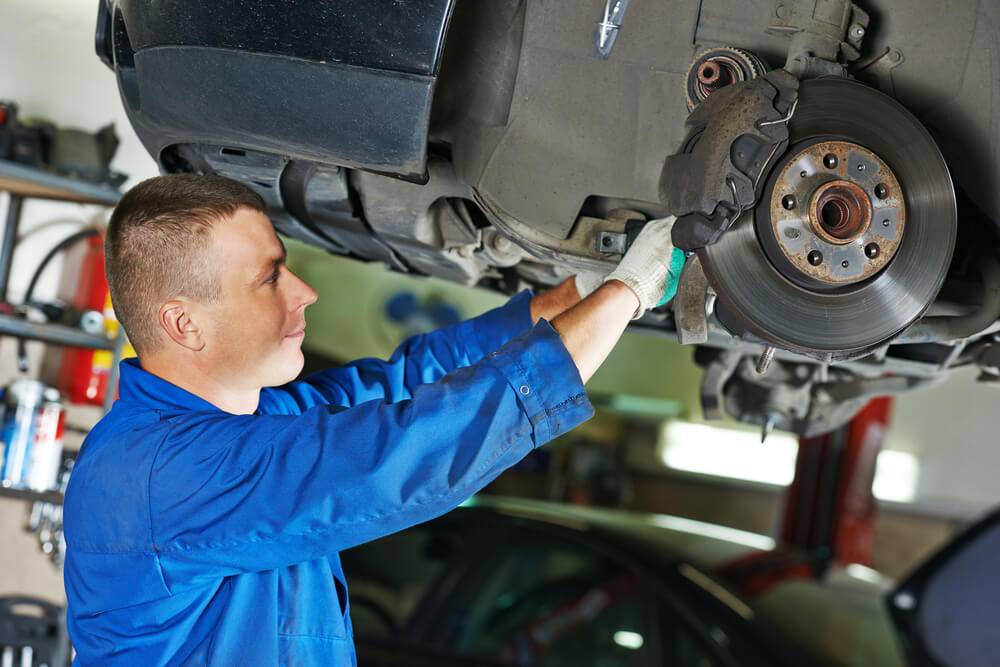
If you have noticed your vehicle pulling to one side, bouncing excessively over bumps, or making unusual noises when you turn, you may be facing steering or suspension issues. Understanding the steering and suspension repair cost in Cincinnati, OH is one of the first things most vehicle owners want to know before they schedule a visit to a repair shop. The good news is that with the right information, you can make confident decisions about your vehicle before any work begins. Steering and suspension repair covers a broad range of components, and the cost of addressing these issues depends on several key variables that every driver should understand.
What Is the Average Cost of Steering and Suspension Repairs?
Steering and suspension repairs span a wide price range, and the numbers can vary significantly based on what component needs attention. On average, vehicle owners can expect to spend anywhere from $200 to $2,500 or more for steering and suspension work. Simple repairs such as replacing a worn sway bar link or a tie rod end tend to fall on the lower end of that spectrum, while more complex jobs like replacing all four shocks and struts on a larger vehicle can push costs toward the higher end.
Labor costs typically represent a significant portion of the total bill. Depending on the shop and the complexity of the repair, labor rates can range from $80 to $150 per hour. Parts costs also vary based on the quality of the components used and the specific make and model of your vehicle. Luxury or imported vehicles generally carry higher parts prices compared to domestic models with widely available components.
It is also worth noting that related services such as a wheel alignment are often required after suspension repairs. A wheel alignment typically costs between $75 and $150, and skipping this step after suspension work can lead to uneven tire wear and continued handling problems. Understanding all the associated costs upfront allows you to budget responsibly and avoid surprises.
According to data from RepairPal, average repair costs for common suspension components like shock absorbers range from $230 to $560 per axle, including parts and labor. These figures serve as a useful benchmark when getting estimates from local shops.
Key Factors That Influence Steering and Suspension Repair Costs
Not all steering and suspension repairs are created equal, and several important variables drive the final price up or down. Being aware of these factors helps you understand why estimates can differ and what to look for when comparing quotes from different repair facilities.
Vehicle make and model is one of the most significant cost drivers. Trucks and SUVs with larger, more complex suspension systems generally cost more to repair than smaller passenger cars. Vehicles with advanced suspension technology, such as air suspension or adaptive dampers, also command higher repair costs because of the specialized components involved. Imported vehicles can carry a premium on parts availability and technician expertise, which further affects the total bill.
The severity of the damage or wear also plays a major role. A vehicle that has been driven on worn suspension components for an extended period may have developed secondary damage to other connected parts, such as tires, wheel bearings, or steering linkage. Addressing problems early typically results in lower repair costs compared to waiting until multiple components have degraded simultaneously. This is one of the core reasons why timely inspection and maintenance are so important from a financial standpoint.
Parts quality is another factor worth understanding. Shops may offer original equipment manufacturer (OEM) parts, aftermarket parts, or remanufactured components. OEM parts tend to cost more but are built to the manufacturer’s exact specifications. High-quality aftermarket parts from reputable brands can offer a balance between cost and reliability, while lower-cost generic parts may introduce reliability concerns down the road. A trusted repair shop will explain the options available and help you make an informed choice based on your vehicle’s needs and your budget.
Common Steering and Suspension Problems and Warning Signs
Recognizing the early warning signs of steering and suspension problems can save you money and protect your safety. Many of these issues develop gradually, making it easy to dismiss early symptoms until the problem becomes more serious and costly to address. Understanding what to look and listen for is one of the most practical steps you can take as a vehicle owner.
Excessive bouncing or swaying is often one of the first signs that shocks or struts are wearing out. When your vehicle continues to bounce after hitting a bump or feels unstable during lane changes, the shock absorbers are likely no longer doing their job effectively. Worn shocks and struts not only compromise ride comfort but also extend braking distances, making this a genuine safety concern rather than just a comfort issue.
Difficulty turning the steering wheel is another red flag that should never be ignored. Whether it is a stiff wheel, a loose or wandering feel, or unusual resistance during turns, these symptoms can indicate problems with the power steering system, worn tie rod ends, or degraded ball joints. According to the National Highway Traffic Safety Administration (NHTSA), steering and suspension defects are among the leading causes of vehicle crashes, underscoring the critical importance of addressing these symptoms promptly.
Uneven tire wear is a common indicator of alignment or suspension problems. If you notice that one side of a tire is wearing faster than the other, or that the tread is wearing in unusual patterns, the underlying cause is often a misaligned wheel or a worn suspension component allowing excessive movement. Other warning signs include clunking or knocking noises when driving over bumps, a steering wheel that sits off-center on a straight road, and visible fluid leaks near the wheels that may indicate a damaged shock absorber or strut.
Why Professional Repair Is Essential for Safety and Vehicle Control
Steering and suspension systems are among the most safety-critical components on any vehicle. These systems work together to keep your tires in contact with the road, absorb the impact of road irregularities, and give you precise control over the direction and stability of your vehicle. Attempting to diagnose or repair these systems without the proper expertise and equipment can lead to incomplete repairs that compromise your safety on the road.
Professional technicians use specialized diagnostic tools to assess the full condition of your steering and suspension system, identifying worn components that may not be visible to the untrained eye. A thorough inspection goes beyond simply addressing the symptom you bring in and looks at all connected components to ensure nothing else is at risk. This comprehensive approach is what separates professional service from a basic visual check.
Proper torque specifications, alignment procedures, and part fitment are all critical details that must be executed correctly for steering and suspension repairs to perform as intended. A component that is installed incorrectly or without the proper alignment adjustments can introduce new handling problems even after the repair is complete. Trusting a qualified technician ensures that every aspect of the repair is done to manufacturer standards, protecting both your investment and your safety. You can also visit this auto repair location in Cincinnati to speak directly with a team that specializes in these repairs and understands the demands of local road conditions.
What You Can Do to Manage Steering and Suspension Repair Costs
While some steering and suspension repairs are unavoidable, there are practical steps you can take to manage costs and extend the life of these critical systems. Proactive maintenance is the most effective strategy, and it starts with regular inspections by a qualified technician who can catch small problems before they grow into larger ones.
Having your alignment checked annually or any time you notice handling changes is one of the simplest and most cost-effective forms of preventative maintenance. Proper alignment reduces stress on suspension components and prevents premature tire wear, delivering long-term savings that far outweigh the modest cost of the alignment service itself. Similarly, rotating your tires regularly and keeping them properly inflated reduces the uneven forces that can accelerate suspension wear.
When repairs are needed, asking your shop to explain all available parts options helps you make an informed decision that balances cost and quality. A reputable shop will walk you through the trade-offs without pressuring you toward the most expensive option. Getting a written estimate before authorizing any work ensures there are no unexpected charges, and understanding what is covered under any parts or labor warranty gives you confidence in the investment you are making.
Wrapping Up: Making Informed Decisions About Steering and Suspension Repairs
Understanding the cost of steering and suspension repairs is not just about knowing a price range; it is about recognizing the factors that influence that cost and taking a proactive approach to your vehicle’s health. Early attention to warning signs, regular maintenance, and working with knowledgeable professionals are the most reliable ways to keep repair costs manageable while ensuring your vehicle remains safe to drive. The steering and suspension systems are not areas where cutting corners pays off in the long run, and treating them with the seriousness they deserve protects both your investment and everyone in the vehicle.
Whether you are dealing with an active handling problem or simply want to stay ahead of potential issues, a professional inspection is the right first step. Qualified technicians can assess the full condition of your system, explain what needs attention, and provide transparent pricing so you can make decisions with confidence. Safe, predictable vehicle handling is not a luxury; it is a baseline requirement for driving responsibly, and the right repair shop will help you maintain that standard.
Frequently Asked Questions
Q: How much does it cost to replace shocks and struts?
Shock and strut replacement typically costs between $230 and $700 per axle, including parts and labor. The final cost depends on your vehicle’s make and model, the quality of the parts selected, and local labor rates. Replacing shocks and struts in pairs is generally recommended to maintain balanced handling performance across both sides of the vehicle.
Q: Can I drive with bad suspension?
While it is technically possible to drive with compromised suspension, doing so is not advisable. Worn shocks and struts increase stopping distances, reduce vehicle stability during turns, and can accelerate wear on tires and other connected components. If you suspect your suspension is failing, having the vehicle inspected promptly is the safest course of action.
Q: How do I know if my steering or suspension needs repair?
Common warning signs include excessive bouncing after hitting a bump, a vehicle that pulls to one side, difficulty turning the steering wheel, unusual noises such as clunking or squealing when turning or going over bumps, uneven tire wear, and a steering wheel that does not sit centered when driving straight. Any of these symptoms warrants a professional inspection.
Q: Does fixing my suspension also fix my alignment?
Suspension repairs often disturb the vehicle’s alignment, which is why a wheel alignment is typically recommended after suspension work is completed. Alignment is a separate adjustment procedure that ensures all four wheels are positioned correctly relative to each other and the road. Skipping alignment after suspension repairs can result in continued pulling, uneven tire wear, and reduced handling precision.
Q: How long do suspension components typically last?
The lifespan of suspension components varies depending on driving conditions, road quality, and vehicle type. Shock absorbers and struts generally last between 50,000 and 100,000 miles under normal driving conditions. Components like ball joints, tie rod ends, and bushings can last longer but are subject to wear from road impacts, potholes, and regular use. Regular inspections help identify components approaching the end of their service life before they fail unexpectedly.
Q: Is steering and suspension repair covered by insurance or warranty?
Standard auto insurance policies typically do not cover wear-related repairs to steering and suspension systems. However, if the damage resulted from a specific accident or covered incident, your collision coverage may apply. Extended vehicle warranties or mechanical breakdown insurance policies sometimes cover suspension components, so reviewing your specific coverage terms is worthwhile before authorizing repairs.