
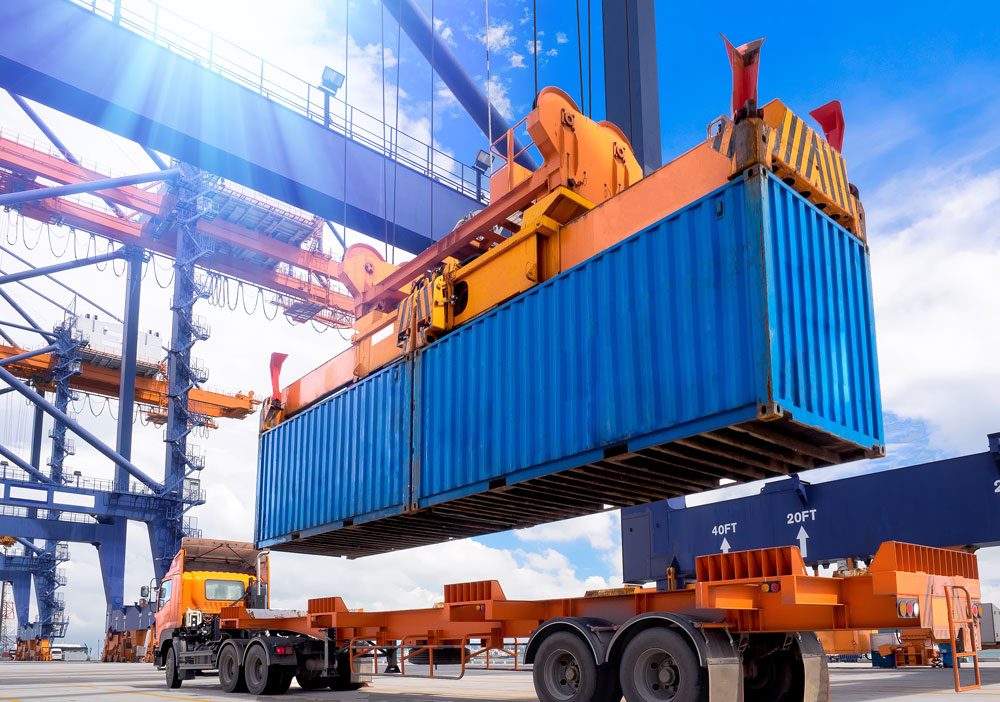
Understanding the true cost of moving freight between ports, rail yards, and warehouses is a challenge that many supply chain managers face on a daily basis. When containers arrive at a port or intermodal hub, they do not simply teleport to their final destination. That critical short-haul movement, known as drayage, is what makes the difference between a supply chain that flows smoothly and one that grinds to a halt. Drayage services in Cincinnati, OH and across North America serve as the vital connective tissue linking ocean freight, rail transport, and final-mile trucking into one seamless operation. For businesses that rely on imported goods, raw materials, or manufactured products moving through ports and intermodal terminals, understanding drayage costs and the value of professional providers is not optional. It is a strategic necessity.
What Is Drayage and How Does It Work for Shipping Containers?
Drayage refers to the short-distance transportation of freight, typically containerized cargo, between a port terminal, rail yard, or similar intermodal facility and a nearby warehouse, distribution center, or staging area. The term has roots in the earliest days of commercial transportation, when horse-drawn drays carried goods short distances, but today it describes a specialized trucking operation central to modern logistics.
In practical terms, drayage works like this: a shipping container arrives at a seaport or a domestic intermodal rail terminal. A licensed drayage carrier picks up the container using a specialized chassis and transports it to its next destination, which might be a nearby warehouse, a customs examination facility, or another terminal for onward movement. The container is then either unloaded at that location or repositioned for the next leg of its journey.
Drayage is classified into several types depending on the movement required. Port drayage involves moving containers directly from a marine terminal to an inland location. Rail drayage describes the movement of containers between a rail yard and a warehouse or distribution center. Inter-carrier drayage involves shifting containers between different transportation companies within the same facility. Expedited drayage is used when speed is critical, often to avoid costly storage fees or port congestion surcharges. Understanding which type applies to your freight is an important step in estimating costs and choosing the right service provider.
According to the Federal Maritime Commission, port congestion and drayage delays are among the leading cost drivers in international container shipping, making professional drayage management more important than ever for importers and exporters alike.
Average Cost of Drayage Services and Factors That Influence Pricing
One of the most frequently asked questions in logistics circles is simply: how much does drayage cost? The honest answer is that drayage pricing is dynamic and influenced by a range of factors, making it difficult to offer a single universal number. However, understanding the key pricing components gives businesses the ability to budget more accurately and negotiate more effectively with carriers.
A typical drayage move within a major port market can range from a few hundred dollars for a straightforward local pickup to well over one thousand dollars when additional fees and surcharges are layered in. The base rate covers the actual truck movement, but several variables push the final cost higher or lower.
Distance and Location play the most fundamental role. Drayage is inherently a short-haul service, but even small differences in mileage within a port zone can affect pricing. Urban ports with heavy traffic, such as Los Angeles or New York, tend to carry higher base rates than less congested inland terminals.
Fuel Surcharges are a standard component of every drayage invoice. These surcharges fluctuate in response to diesel fuel prices and are typically expressed as a percentage of the base rate. Carriers update them weekly or monthly, so businesses should factor in current fuel market conditions when budgeting.
Wait Time and Detention Fees are perhaps the most unpredictable cost element. If a driver arrives at a terminal and must wait for cargo to become available, or if a container sits on a chassis longer than the allotted free time, fees accumulate rapidly. Detention charges are billed by the hour and can add hundreds of dollars to a single move if not managed proactively.
Per Diem and Demurrage are related but distinct charges. Per diem is assessed by chassis providers for extended equipment use, while demurrage is charged by the terminal or shipping line when a container is not retrieved within the free time window. Both charges incentivize fast container movement and penalize delays.
Hazardous Materials Handling adds cost due to the specialized training, placarding, and regulatory compliance required. Carriers that handle hazmat freight invest in certifications and equipment upgrades that are reflected in their pricing.
Chassis Availability and Split Fees can add unexpected costs when a chassis is not available at the terminal and a driver must pick one up from a separate chassis pool location. This split move adds time and mileage to the transaction.
The Journal of Commerce consistently reports that port congestion, chassis shortages, and labor issues at major gateway ports are the primary drivers of drayage cost volatility, reinforcing the importance of working with providers who have strong carrier networks and real-time visibility tools.
How Professional Drayage Services Help Businesses Streamline Logistics and Prevent Delays
The difference between managing drayage in-house or through an inexperienced vendor and partnering with a professional drayage logistics provider is measured in dollars, days, and competitive advantage. Professional providers bring capabilities that go far beyond simply dispatching a truck to a terminal. They manage the entire container lifecycle from appointment scheduling to final delivery, and their expertise protects businesses from the hidden costs that accumulate when drayage is not handled correctly.
Carrier Network and Capacity are foundational advantages of working with an established drayage logistics provider. Port markets are complex ecosystems where not every carrier has access to every terminal or the certifications required to operate in certain zones. Professional providers maintain vetted networks of drayage carriers, giving their clients access to capacity even during peak demand periods, peak import seasons, or when labor disruptions affect terminal operations.
Proactive Communication and Issue Resolution are what separate good logistics partners from great ones. When a container is placed on hold by U.S. Customs, when a terminal is experiencing significant delays, or when a chassis shortage threatens to push a delivery outside the free time window, a knowledgeable drayage partner identifies the problem early and takes corrective action before it becomes a costly disruption. This proactive approach to problem-solving protects businesses from surprise fees and supply chain bottlenecks.
Technology and Visibility have become central to professional drayage operations. Advanced transportation management systems allow providers to track container status in real time, monitor chassis availability, schedule terminal appointments, and provide clients with up-to-date information on their freight. This visibility enables better inventory planning, reduces the risk of over-ordering to compensate for delivery uncertainty, and gives supply chain teams the data they need to make informed decisions.
Compliance and Documentation are areas where the consequences of error are severe. Drayage moves involving international containers require coordination with customs brokers, adherence to port authority rules, and compliance with federal trucking regulations administered by the Federal Motor Carrier Safety Administration. Professional providers understand these requirements and ensure that every move is executed within the applicable regulatory framework, reducing the risk of fines, holds, or cargo seizure.
Cost Control Over Time is an underappreciated benefit of professional drayage management. Businesses that consolidate their drayage activity with a trusted provider gain access to better carrier rates through volume, benefit from the provider’s negotiating leverage with chassis pools and terminals, and reduce the administrative burden of managing multiple carrier relationships. Over the course of a year, these savings and efficiencies compound into meaningful cost reductions.
For businesses operating near major ports on the West Coast, East Coast, or Gulf, and for companies moving containers through inland rail terminals, the stakes of getting drayage right are high. A single missed appointment, an unnoticed detention clock, or a container stranded at a terminal because of insufficient carrier capacity can ripple through an entire supply chain.
You can also explore local drayage logistics resources and provider details through this Google Maps listing to find professional drayage service options in your region.
Final Thoughts on Managing Drayage Costs for Your Business
Drayage is one of those logistics functions that tends to receive attention only when something goes wrong, and by that point the costs are already accumulating. A strategic approach to drayage, one that begins with understanding pricing drivers and extends to selecting a qualified professional provider, can transform this often-overlooked service into a genuine competitive advantage. Businesses that invest in strong drayage partnerships reduce detention and demurrage exposure, protect their supply chains from port volatility, and benefit from the visibility and compliance expertise that professional logistics firms deliver. The cost of professional drayage services is not simply a line item on an invoice. It is an investment in supply chain reliability that pays dividends every time a container moves from port to warehouse on time and within budget.
Frequently Asked Questions About Drayage Services
1. What is the difference between drayage and standard trucking?
Drayage focuses specifically on short-distance container movements between intermodal facilities such as ports, rail yards, and nearby warehouses or distribution centers. Standard trucking typically involves longer hauls across greater distances and does not require the specialized terminal access, chassis management, or port authority compliance that drayage demands. Drayage carriers operate within specific port zones and must meet certification requirements that general freight carriers do not always hold.
2. How long does a typical drayage move take?
The actual driving time for most drayage moves is relatively short, often one to four hours depending on the distance between the terminal and the delivery point. However, the total time from container availability to final delivery can be significantly longer due to terminal appointment scheduling, port congestion, customs holds, and chassis availability. In busy port markets, total drayage cycle times of one to three business days are common, and businesses should plan their inventory timelines accordingly.
3. What causes detention and demurrage charges and how can they be avoided?
Detention charges arise when a container remains on a chassis beyond the free time allotted by the chassis provider, typically two to four days depending on the agreement. Demurrage charges are assessed by the shipping line or terminal when a container is not picked up within the free time window, which is also typically two to four days after availability. Both can be minimized by scheduling terminal appointments promptly, working with drayage providers who monitor container availability in real time, and ensuring that receiving facilities are prepared to accept and unload containers quickly upon arrival.
4. Do I need a customs broker in addition to a drayage provider?
For containers arriving from international origins, customs clearance is a separate but closely related process. A customs broker handles the documentation, duties, and regulatory compliance required to release a container from customs hold, while the drayage carrier handles the physical movement of the container. Many full-service logistics providers offer both services under one roof, which streamlines coordination and reduces the risk of delays caused by miscommunication between separate vendors.
5. How do I choose the right drayage service provider for my business?
The most important factors to evaluate when selecting a drayage provider include their carrier network and capacity at the specific ports or rail yards you use, their technology capabilities for real-time tracking and appointment management, their experience with your commodity type and any special handling requirements, their track record for on-time performance and issue resolution, and their transparency around pricing including all potential surcharges and fees. Asking for references from clients with similar shipping profiles and reviewing the provider’s safety record through the FMCSA can also provide valuable insight before entering a service agreement.