When Nashville homeowners start planning a backyard upgrade, one of the most common points of confusion is the pergola vs. pavilion in Nashville, TN debate. These two structures look similar at first glance, but they serve different purposes, carry different price tags, and perform very differently under Middle Tennessee’s unpredictable weather. Before committing thousands of dollars to a permanent addition, it pays to understand exactly what sets these structures apart. Whether you are dreaming of a shaded reading nook or a fully covered outdoor structure built for year-round entertaining, this guide will walk you through everything you need to know.
What Is a Pergola?
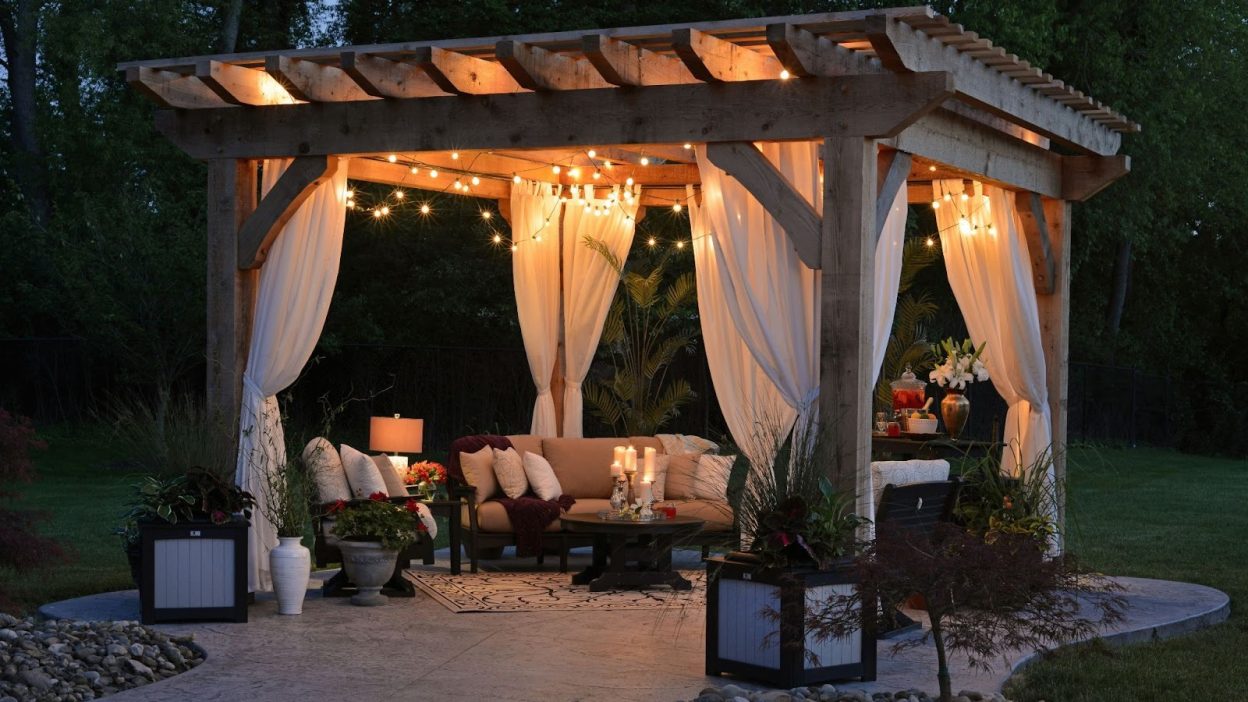
A pergola is an open-roof structure typically supported by four or more posts. The “roof” is made up of horizontal rafters and cross beams, leaving gaps that allow sunlight and air to filter through. Some pergolas feature retractable canopies or polycarbonate panels that can be added later, but in its traditional form, a pergola provides partial shade rather than full shelter.
Pergolas have been a staple of landscape design for centuries. They are popular for defining outdoor spaces, supporting climbing plants like wisteria or Virginia creeper, and creating a visual anchor in a backyard without fully enclosing it. The open design gives them an airy, garden-like feel that many homeowners find appealing.
What Is a Pavilion?
A pavilion is a fully roofed outdoor structure. Unlike a pergola, a pavilion has a solid roof, whether made of shingles, metal panels, polycarbonate sheets, or cedar boards, that provides complete protection from rain, sun, and falling debris. Pavilions often resemble a freestanding room without walls, and they can be outfitted with screens, curtains, or even glass panels to create a nearly year-round living space.
Pavilions tend to be larger and more substantial than pergolas, and they typically require more planning, permitting, and investment. However, for homeowners who want a true outdoor room they can use in any season, a pavilion delivers a level of functionality that a basic pergola simply cannot match.
How Nashville’s Climate Affects Each Structure
Middle Tennessee sits in a region known for humid subtropical summers, unpredictable spring storms, and occasional winter ice events. Understanding how each structure handles these conditions is critical before making a decision.
Summer Heat and Humidity
Nashville summers are long, hot, and humid. A pergola with an open lattice roof offers limited relief from the direct sun. Without a canopy or shade sail attached, sitting under a pergola at midday in July can still feel uncomfortable. A solid-roof pavilion, by contrast, blocks direct solar radiation completely and, when equipped with ceiling fans, creates a noticeably cooler environment even without air conditioning.
According to the National Weather Service, Nashville averages more than 200 days per year with measurable sunshine, and summer temperatures frequently exceed 90 degrees Fahrenheit. For homeowners who want to use their outdoor space throughout the summer, the full coverage of a pavilion provides a significant comfort advantage.
Spring Storms and Rain
Nashville receives an average of about 47 inches of rain per year, much of it falling during spring thunderstorm season. A pergola offers essentially no rain protection in its standard configuration. Even with a polycarbonate or fabric canopy added, water can still blow in from the sides during heavy downpours.
A pavilion with a properly pitched solid roof handles rain the same way a home’s roof does. With adequate overhang and good drainage, a well-built pavilion can serve as a dry outdoor retreat even during moderate rainstorms.
Ice Storms and Snow Loads
One of the most overlooked factors in Nashville outdoor structure planning is the occasional winter ice storm. The region experiences ice accumulation events that can add hundreds of pounds of weight to horizontal surfaces. An open pergola actually handles ice better than many people expect, because the open lattice allows ice to fall through rather than accumulate as a solid sheet. However, wooden pergolas with older or compromised joinery can still suffer structural damage.
A pavilion roof, depending on its pitch and material, needs to be engineered to handle snow and ice loads. Steeper roof pitches shed ice more effectively. Metal roofs tend to release ice faster than shingles. Homeowners planning a pavilion in Middle Tennessee should work with a contractor familiar with local load requirements outlined in the Tennessee Building Codes to ensure the structure is built to last.
Cost Comparison: Pergola vs. Pavilion in Nashville
Cost is one of the primary deciding factors for most homeowners, and prices vary significantly based on material, size, and complexity.
Pergola Costs
A basic pressure-treated wood pergola in the Nashville area typically starts around $3,000 to $6,000 for a standard 12×12 or 12×16 structure installed by a professional. Vinyl pergolas, which require less maintenance and resist moisture better, generally run $5,000 to $10,000. Aluminum or powder-coated steel pergolas with motorized louvered roofs can reach $15,000 or more depending on brand and features.
Wood remains the most popular choice in Middle Tennessee because of its natural appearance and compatibility with the region’s traditional home styles. Cedar and redwood resist decay naturally, while pressure-treated pine is the most affordable option. The tradeoff with wood is maintenance: it needs to be stained or sealed every two to three years to hold up against humidity and UV exposure.
Pavilion Costs
Pavilions are a larger investment. A basic wood-frame pavilion with a shingle roof starts around $8,000 to $15,000 installed in the Nashville market. A mid-range pavilion with cedar framing, metal roofing, and electrical rough-in for lighting and fans typically falls between $15,000 and $30,000. Custom pavilions with built-in outdoor kitchens, ceiling systems, and finished flooring can exceed $50,000.
Metal-frame pavilions, often using galvanized or powder-coated steel, have grown in popularity because of their durability and lower long-term maintenance requirements. They tend to cost slightly more upfront than comparable wood builds but save money over time by avoiding the need for regular staining or sealing.
Add-Ons and Entertainment Features
One of the biggest questions Nashville homeowners ask is how each structure supports the amenities they want for outdoor entertaining.
Ceiling Fans
Both pergolas and pavilions can support ceiling fans, but a pavilion is the more practical choice. A solid roof provides a stable mounting surface and protects the fan motor from direct rain exposure. Many pergola fans are rated for damp or wet locations, but mounting a fan on an open-lattice structure means it still gets rained on from the sides. For homes where fans will see heavy seasonal use, a pavilion simplifies the installation and extends equipment life.
Outdoor Kitchens
An outdoor kitchen is a significant investment, and protecting it from the elements is essential to preserving its value. A pavilion is strongly preferred for outdoor kitchen installations. The solid roof protects appliances, cabinetry, and countertops from rain and direct sun. Pergolas can work for lighter kitchen setups, particularly when a polycarbonate panel section is added directly above the cooking zone, but full kitchen installations are better suited to full coverage structures.
Lighting and Electrical
Both structures can be wired for lighting, but a pavilion’s solid roof makes it much easier to run conduit cleanly and conceal wiring. String lights hung from a pergola remain one of the most popular backyard aesthetics in Nashville, and they are simple to install without any hardwiring. For homeowners who want integrated recessed lighting, ceiling fixtures, or powered outlets built into the structure, a pavilion is the more functional platform.
Which Structure Is Right for You?
Choosing between a pergola and a pavilion ultimately comes down to how you plan to use the space, your budget, and how much weather protection you want.
A pergola makes sense if you want a defined outdoor zone with partial shade, prefer a lower upfront investment, enjoy a more open and airy atmosphere, or plan to grow vines or climbing plants as part of the design. It is also a good stepping stone for homeowners who want to improve their backyard now and potentially upgrade to a pavilion in the future.
A pavilion makes sense if you want to use your outdoor space through Nashville’s full range of seasons, plan to install an outdoor kitchen or significant appliances, entertain frequently and need reliable rain protection, or are looking for a structure that adds tangible value to your home. You can also explore local professionals who specialize in outdoor structures through Google Maps to see portfolios and reviews from Nashville-area homeowners.
Wrapping Up: Making the Right Choice for Your Nashville Backyard
The pergola vs. pavilion decision is not about which structure is universally better. It is about matching the right structure to your lifestyle, your budget, and the realities of Middle Tennessee’s climate. Pergolas deliver beauty, airiness, and affordability. Pavilions deliver full coverage, year-round usability, and a stronger platform for outdoor living amenities.
Either way, investing in a well-built outdoor structure adds functional square footage to your home and creates a space where memories are made. Take time to research materials, get multiple quotes from licensed contractors, and think through how you realistically plan to use the space across all four seasons before signing a contract. The right structure, built with quality materials and proper craftsmanship, will serve your Nashville home for decades.
Frequently Asked Questions
1. Do I need a permit to build a pergola or pavilion in Nashville?
Most permanent structures in Nashville require a building permit, including pergolas and pavilions attached to a home or above a certain size. The Metro Nashville Department of Codes Administration reviews permit applications for residential structures. It is always advisable to check with your local codes office before construction begins to avoid fines or required removal of unpermitted work. More information is available at the Nashville Metro Codes website.
2. Which material lasts longest in Nashville’s climate?
For pergolas, cedar and redwood offer the best natural durability against humidity and rot, while aluminum and powder-coated steel require the least maintenance over time. For pavilions, metal roofing outlasts asphalt shingles and sheds ice more efficiently during winter storms. Vinyl components are also low-maintenance but can become brittle with age in extreme temperature swings.
3. Can a pergola be converted into a pavilion later?
In some cases, a pergola’s frame can be adapted to support a solid roof, but this depends heavily on the original structure’s post size, footing depth, and beam capacity. Many pergolas are not engineered to handle the additional dead load of a solid roof. A structural assessment is recommended before attempting a conversion rather than assuming the existing frame is adequate.
4. How long does it take to build a pergola or pavilion in Nashville?
A standard pergola installation typically takes two to five days once materials are on site. A custom pavilion with roofing, electrical, and outdoor kitchen components can take two to six weeks depending on the scope of work, permitting timelines, and contractor scheduling. Spring and fall are the busiest seasons for outdoor structure contractors in Middle Tennessee, so planning ahead and booking early is recommended.
5. Does an outdoor pavilion add resale value to a Nashville home?
Well-built outdoor structures generally contribute positively to home value, though the return varies. A high-quality pavilion with an outdoor kitchen and finished details in a neighborhood where outdoor living is valued can return a significant portion of its cost at resale. According to Remodeling Magazine’s Cost vs. Value report, outdoor living improvements consistently rank among the projects with strong perceived value for buyers. A simple pergola adds curb appeal and visual interest but typically adds less measurable value than a fully covered outdoor room.