When it comes to vehicle safety, few things matter more than your brakes. One of the most common questions car owners ask is: how long do brake pads last in Cincinnati, OH? The answer is not a single number. Brake pads can last anywhere from 25,000 to 70,000 miles depending on your vehicle, your driving habits, and the terrain you cover daily. For drivers in Cincinnati, that range can skew toward the lower end faster than expected. If you notice any warning signs, scheduling a brake repair promptly can save you from a much larger repair bill down the road.
Cincinnati presents a unique driving environment. The city is built on rolling hills, sits near major interstate interchanges, and sees heavy stop-and-go commuter traffic in areas like downtown, Kenwood, and the Western Hills. All of that adds up to accelerated brake pad wear that drivers in flatter cities simply do not deal with at the same rate.
What Affects How Long Brake Pads Last?
Before getting into warning signs, it helps to understand the variables that determine brake pad lifespan. According to Consumer Reports, the wide range of 25,000 to 70,000 miles reflects just how much individual driving behavior matters.
Driving style is the single biggest factor. Aggressive drivers who brake hard and frequently will wear through pads two to three times faster than smooth, anticipatory drivers.
Terrain and traffic play a major role as well. Driving on Cincinnati’s hilly roads means your brakes are working on downhill grades even when you are not pressing the pedal. Dense urban traffic along I-75, I-71, and the Norwood Lateral means more frequent stopping, which compounds over time.
Pad material is another key variable, and that brings us to one of the most important decisions a vehicle owner can make when replacing brakes.
Ceramic vs. Semi-Metallic vs. Organic Brake Pads: Which Should You Choose?
Not all brake pads are created equal. There are three main types available for passenger vehicles, each with distinct trade-offs in terms of lifespan, noise, and cost.
Organic brake pads are made from natural materials such as rubber, glass, and fiber compounds bonded with resin. They are the softest of the three types, which means they are quiet and gentle on rotors. However, they wear out faster, typically lasting between 25,000 and 40,000 miles. They also produce more brake dust and can fade under heavy braking. For Cincinnati’s hilly terrain and high-traffic roads, organic pads may not be the most cost-effective long-term choice.
Semi-metallic brake pads are made from a mix of metal shavings and other compounds. They offer excellent heat dissipation and strong stopping power across a wide temperature range, which makes them a solid option for Cincinnati drivers who regularly navigate steep grades or carry heavy loads. They typically last between 30,000 and 70,000 miles, though they tend to be noisier than organic or ceramic pads and can be harder on rotors over time. Their upfront cost falls in the mid-range.
Ceramic brake pads are considered a premium option. Made from dense ceramic materials combined with copper fibers, they run quietly, produce very little dust, and are gentle on rotors. Their lifespan generally falls between 40,000 and 70,000 miles, making them the longest-lasting option for most drivers. The trade-off is cost. Ceramic pads are the most expensive at the point of purchase, though their longevity and reduced wear on rotors can make them more economical over the life of the vehicle.
For everyday commuters in Cincinnati who deal with stop-and-go traffic and hilly roads, ceramic or high-quality semi-metallic pads tend to offer the best value over time.
Five Warning Signs Your Brake Pads Are Worn
Knowing the warning signs of worn brake pads can prevent small maintenance issues from becoming expensive repairs. Here are the five most important signals to watch for.
1. Squealing or Squeaking Noises
Most modern brake pads include a small metal tab called a wear indicator. When the pad material wears down to a certain point, this tab begins to contact the rotor and produces a high-pitched squealing sound. This is a deliberate design feature, not a coincidence. When you hear it consistently, especially when first applying the brakes after the vehicle has been sitting, it is time to have the pads inspected. Some noise immediately after rain or cold starts can be normal, but persistent squealing is a clear signal.
2. Grinding Sounds
Grinding is a more urgent warning than squealing. It typically means the brake pad material has worn completely through and the metal backing plate is now making direct contact with the rotor. At this stage, braking performance is compromised and rotor damage is actively occurring with every stop. Grinding sounds should be treated as an emergency and the vehicle should be inspected immediately.
3. Vibration or Pulsing Through the Pedal
If you feel a pulsing or vibrating sensation through the brake pedal when slowing down, the rotors may already be warped or damaged from overheating or uneven wear. This is often a sign that brake service was delayed too long. The vibration indicates uneven contact between the pads and the rotor surface, which reduces braking efficiency and control.
4. Longer Stopping Distances
If your vehicle seems to take more distance than usual to come to a complete stop, your brakes may be losing effectiveness due to worn pads. This symptom can be subtle at first and easy to dismiss as a weather or road condition issue. Pay attention to how your vehicle feels compared to normal, particularly at highway speeds or when approaching intersections.
5. Dashboard Warning Light
Many modern vehicles include a brake pad wear sensor that triggers a dashboard warning light when pads reach a critical thickness. If the brake warning light illuminates on your dashboard, do not ignore it. Refer to your owner’s manual to confirm what the light indicates, as some brake lights signal low brake fluid rather than pad wear. Either way, the issue warrants prompt attention.
What Happens If You Wait Too Long?
This is where many drivers make a costly mistake. Brake pads are consumable parts, and neglecting them does not just affect the pads themselves. It creates a chain reaction of damage that becomes significantly more expensive to address.
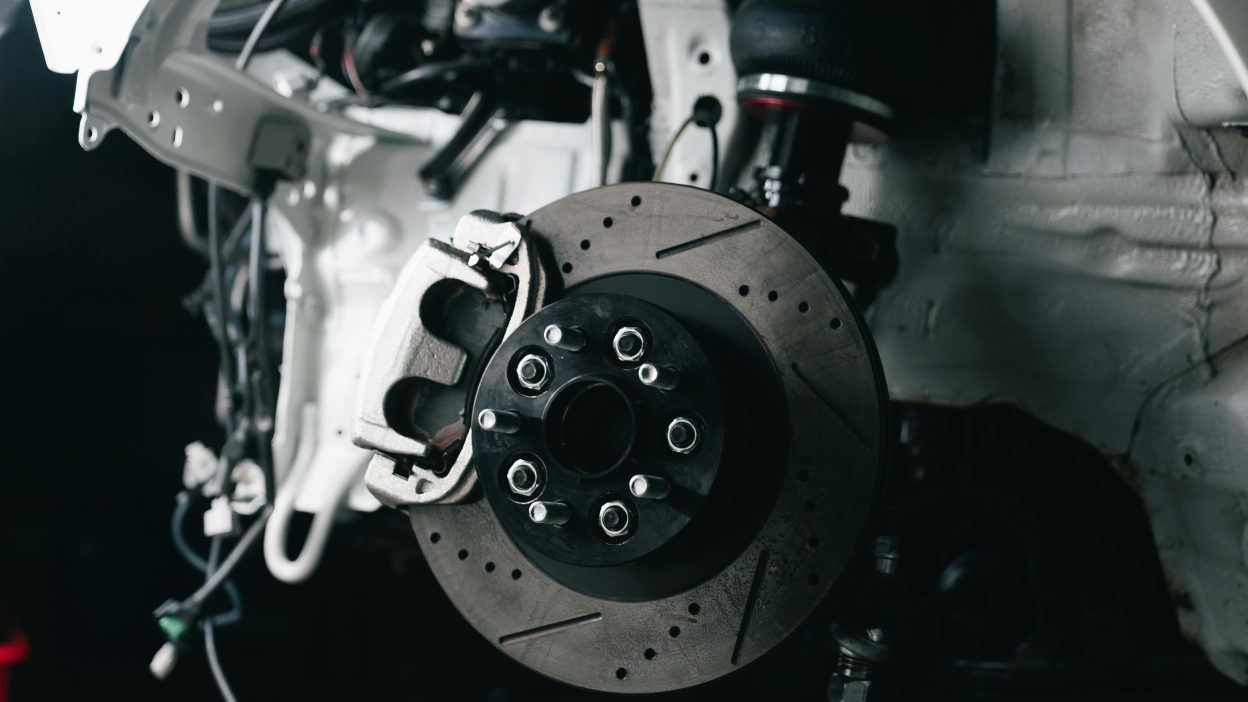
When brake pads wear down completely, the metal backing plate grinds against the rotor with each stop. Rotors are precision-machined metal discs, and grinding damages their surface quickly. A rotor that could have been resurfaced for a modest fee may now need full replacement. Brake repair on a single axle, including pads and labor, typically runs around $150 on the lower end. Once rotors are damaged and need replacement, that same job can climb to $300 to $500 per axle or more, depending on the vehicle.
In severe neglect cases, calipers can also be damaged. The caliper is the hydraulic component that squeezes the pads against the rotor. When worn pads cause the caliper to extend too far, it can seize or leak, adding significant cost. According to Kelley Blue Book, a full brake job including pads, rotors, and calipers on a single axle can exceed $800.
The takeaway is straightforward. Replacing brake pads at the right time is a $150 decision. Waiting until the damage spreads can easily make it a $500 to $900 repair. Cincinnati drivers who ignore the early warning signs are not saving money. They are deferring a much larger expense.
How Often Should Cincinnati Drivers Check Their Brakes?
As a general rule, brake pads should be inspected at least once a year or every 12,000 miles, whichever comes first. Many tire shops and auto service centers inspect brakes during routine tire rotations, which typically happen every 5,000 to 7,500 miles.
For Cincinnati drivers who frequently travel routes with significant elevation changes, more frequent inspections make sense. The same applies to drivers who regularly haul heavy loads or have a history of aggressive braking habits.
If you are unsure about the condition of your brake pads, a visual inspection is sometimes possible through the wheel spokes. The pad should have at least a quarter inch of visible material. If it looks thin, have a professional assess it.
Final Thoughts: Staying Safe on Cincinnati Roads
Brake maintenance is not a luxury. It is a fundamental safety requirement for any vehicle in regular use. Understanding how long brake pads last and recognizing the warning signs early allows Cincinnati drivers to address issues at the right time, rather than waiting until damage has spread to rotors and calipers.
Given Cincinnati’s hilly geography, busy commuter corridors, and variable weather, staying proactive with brake inspections is especially important here. Whether you drive a compact car, an SUV, or a truck, know your warning signs, respect the mileage guidelines, and choose the right type of brake pad for your driving style.
For drivers in the Cincinnati area looking for professional brake service, you can find local help on Google Maps. Getting a professional assessment takes the guesswork out of deciding whether your pads still have life left or need immediate replacement.
Frequently Asked Questions
Q: How long do brake pads last on average?
A: Brake pads typically last between 25,000 and 70,000 miles. The actual lifespan depends on driving habits, pad material, vehicle weight, and terrain. Aggressive driving and frequent stops in hilly areas like Cincinnati will wear pads faster than smooth highway driving.
Q: Is it safe to drive with squealing brakes?
A: Mild squealing from the wear indicator is a warning, not an emergency, but it should not be ignored. Schedule an inspection as soon as possible. If the sound progresses to grinding, the vehicle should not be driven and needs immediate service.
Q: How much does it cost to replace brake pads in Cincinnati?
A: Brake pad replacement on a single axle typically ranges from $100 to $200 including labor. If rotors are also worn or damaged, costs per axle can rise to $300 to $500 or more. Replacing pads early is always the more affordable path.
Q: What type of brake pads last the longest?
A: Ceramic brake pads generally offer the longest lifespan, often reaching 50,000 to 70,000 miles. They are also quieter and produce less dust than semi-metallic or organic pads, though they carry a higher upfront cost.
Q: Can I check my own brake pad thickness?
A: In many vehicles, you can look through the wheel spokes to see the pad against the rotor. If the material appears less than a quarter inch thick, it is time for an inspection. A professional technician can give you an accurate measurement and assess the full condition of the braking system.