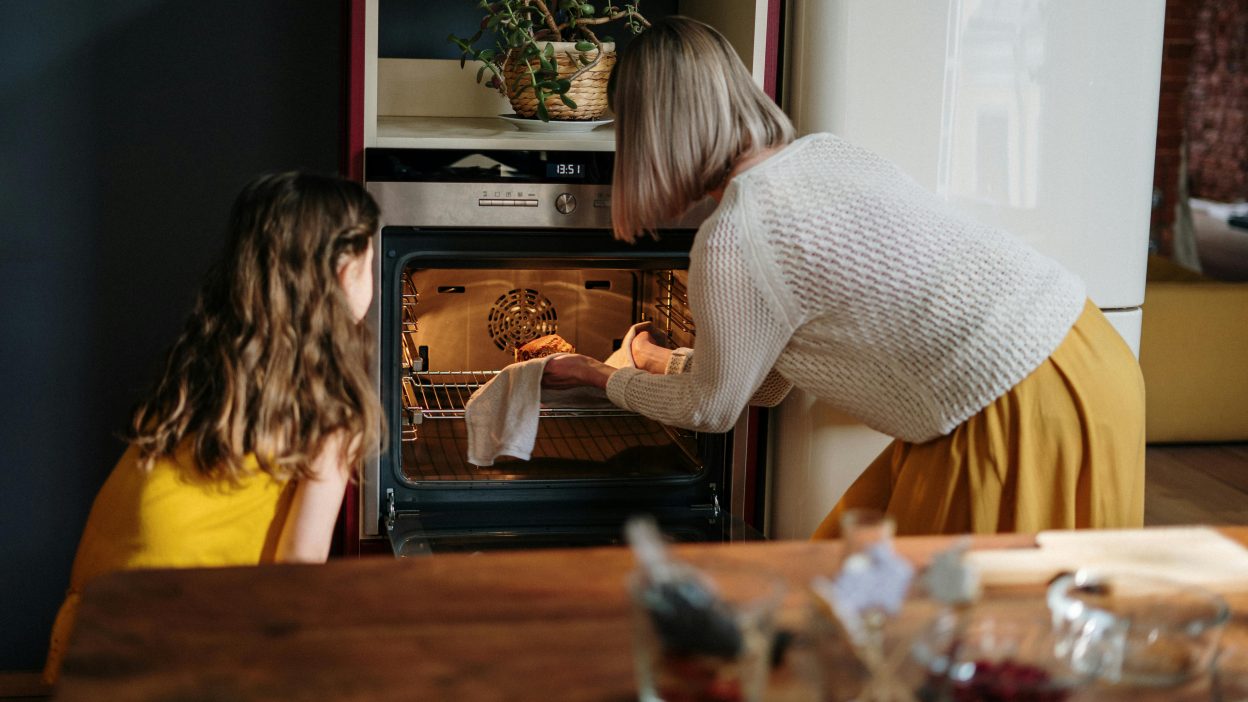
Few things are more frustrating than pulling a batch of cookies out of the oven only to find burnt edges and a raw, doughy center. Or roasting a chicken that comes out overdone on one side and undercooked on the other. If this sounds familiar, your appliance may have a serious issue that needs attention. An oven not heating evenly in Cincinnati, OH is one of the most common complaints homeowners bring to appliance repair professionals, and it almost always points to a specific mechanical or calibration problem rather than user error. Getting Cincinnati oven repair from a qualified technician is often the most reliable path to a lasting fix, but understanding what is happening inside your oven is the first step toward solving the problem.
This guide walks through the most likely causes of uneven oven heat, how to diagnose them at home, and why professional repair is usually the right call before the problem gets worse.
Why Uneven Oven Heat Is More Than a Minor Inconvenience
Uneven heating does more than ruin a recipe. It means wasted groceries, wasted energy, and potentially wasted time if you have to start a meal over from scratch. According to the U.S. Department of Energy, ovens account for a meaningful share of household energy use, so an appliance that is not operating correctly can quietly drive up your utility bills month after month.
Beyond cost, inconsistent temperatures can create food safety concerns. Poultry, pork, and other proteins that do not reach proper internal temperatures throughout the cooking process can harbor harmful bacteria, even if the outside appears fully cooked.
Step One: Test Your Oven’s Actual Temperature
Before assuming anything is broken, verify what temperature your oven is actually reaching. Oven displays are not always accurate, and a discrepancy of 25 degrees Fahrenheit or more is considered significant enough to affect cooking outcomes.
How to Use an Oven Thermometer
Purchase a basic oven-safe thermometer from any kitchen supply or hardware store. Place it in the center of your oven rack, set the oven to 350 degrees Fahrenheit, and allow the appliance to fully preheat. Wait an additional 15 to 20 minutes beyond the preheat alert before reading the thermometer. Take readings at several different rack positions and in each corner of the oven if possible.
If the thermometer consistently reads 25 degrees or more above or below your set temperature, calibration is off. If the thermometer reads different temperatures in different areas of the oven interior at the same time, you likely have a component failure rather than a simple calibration issue.
The American Society for Testing and Materials (ASTM) notes that temperature uniformity across the cooking cavity is a key performance standard for residential ovens. Hot spots and cold zones are not normal and should not be accepted as a quirk of an older appliance.
The Three Most Likely Culprits
Once you have confirmed that your oven is not heating evenly, the source of the problem usually falls into one of three categories: a failing bake element, a faulty temperature sensor, or a malfunctioning convection fan. Each produces slightly different symptoms, which can help narrow down the diagnosis.
1. The Bake Element
The bake element is the coiled or flat heating element located at the bottom of most electric ovens. In gas ovens, the equivalent is the bake burner at the base of the cavity. When the bake element is working properly, it glows a consistent red-orange throughout its entire length.
Signs of a failing bake element:
- The element does not glow uniformly, with dark or cool spots visible
- There are visible cracks, blisters, or burn marks on the element surface
- The bottom of dishes consistently burns while the tops remain undercooked
- The oven takes much longer than usual to reach the set temperature
A bake element can fail gradually, which is why the symptoms often get worse over time rather than appearing all at once. Replacing a bake element requires working with electrical connections inside the oven cavity, and it is important to ensure the appliance is fully disconnected from power before any internal components are touched. Replacement is a common repair, but it should be handled by someone familiar with appliance wiring.
2. The Temperature Sensor (Oven Sensor Probe)
The temperature sensor is a thin probe, usually located in the upper back corner of the oven interior, that communicates the current cavity temperature to the control board. If the sensor is reading incorrectly, the control board cannot regulate heat properly, which causes the oven to run too hot, too cool, or cycle on and off at the wrong intervals.
Signs of a faulty temperature sensor:
- Cooking times are wildly unpredictable
- Food burns at the top while the center is underdone
- The oven temperature fluctuates noticeably during cooking rather than staying stable
- Error codes appear on digital displays
A technician can test the sensor’s resistance with a multimeter to determine whether it is reading within the manufacturer’s specified range. According to Family Handyman, many oven temperature sensors can be tested and replaced without extensive disassembly, but the correct replacement part must match the oven’s model specifications precisely.
3. The Convection Fan
Convection ovens use a fan to circulate hot air throughout the cooking cavity, which reduces hot spots and speeds up cooking. When the convection fan fails or runs too slowly, air circulation is poor, and certain areas of the oven become significantly hotter than others.
Signs of a failing convection fan:
- Uneven browning specific to convection mode
- The oven works more consistently when convection is turned off
- You can hear the fan motor running unevenly or making grinding or rattling noises
- Longer-than-normal cooking times even on convection settings
Fan motor failure is a mechanical issue that requires accessing the back panel of the oven. Because this involves both mechanical and electrical components, it is best evaluated and repaired by a professional.
Why Recalibrating Your Oven Yourself Can Be Risky
Most modern ovens allow homeowners to adjust the temperature calibration through the control panel settings, typically in increments of 5 to 35 degrees Fahrenheit up or down. If your oven thermometer shows a consistent 20-degree variance, adjusting the calibration offset can seem like an easy fix.
The problem is that calibration adjustment only works when the underlying components are functioning correctly. If the temperature sensor is failing, no calibration offset will produce reliable results because the sensor is not giving the control board accurate feedback to begin with. You may land on a setting that works for a single cook session and then find the issue has worsened.
Worse, self-calibration can mask symptoms that would otherwise signal a repair is needed, allowing a failing component to deteriorate further. In some cases, a faulty bake element that is ignored long enough can cause damage to the oven cavity, the wiring harness, or the control board, turning what would have been a straightforward repair into a much more expensive one.
When your thermometer test reveals a variance greater than 25 degrees, or when different areas of the oven are reading different temperatures at the same time, the right move is to schedule a professional diagnostic rather than adjust settings and hope for the best.
When to Schedule a Professional Diagnostic
Call a repair technician when you observe any of the following:
- Visible damage to the bake element (cracks, burn spots, discoloration)
- Temperature variance greater than 25 degrees from the set temperature
- Significant hot and cold zones within the oven cavity at the same temperature setting
- Unusual sounds from the convection fan during operation
- Error codes on the oven display that do not clear after a reset
- The oven fails to preheat within a reasonable time frame
A trained technician can perform resistance tests on the sensor, visually inspect the element, and test the fan motor to pinpoint the exact failure before recommending a repair. This targeted approach prevents the cost of replacing parts that do not need replacement.
For homeowners in the greater Cincinnati area, scheduling an evaluation through a local appliance repair service can quickly identify whether the issue is a simple component swap or something that requires more involved repair.
Preventing Uneven Heating in the Future
Regular maintenance habits can extend the life of your oven and reduce the likelihood of heating problems:
- Clean the oven regularly to prevent grease buildup around the bake element and sensor
- Avoid lining the oven floor with foil, which disrupts airflow and heat distribution
- Allow the oven to fully preheat before placing food inside, giving the cavity time to reach a uniform temperature
- Periodically test oven temperature with an independent thermometer, especially in older appliances
- Do not ignore small changes in cooking performance, as gradual shifts often indicate component wear
Wrapping It Up: Trust the Symptoms, Not Just the Display
An oven that displays the right temperature is not necessarily delivering it. Burnt edges, raw centers, and unpredictable cooking results are all signs worth taking seriously. A simple oven thermometer test can reveal whether you are dealing with a calibration issue, a failing bake element, a worn sensor, or a convection fan that is no longer doing its job.
Understanding the difference between these components and the symptoms they produce puts homeowners in a better position to communicate with a repair technician and make informed decisions about repair versus replacement. When the signs point to a failing component, acting quickly reduces the risk of secondary damage and keeps repair costs manageable.
Frequently Asked Questions
1. How do I know if my oven temperature is off?
Place an independent oven thermometer in the center of the oven rack, set the oven to 350 degrees Fahrenheit, and let it run for 20 minutes after the preheat alert. If the thermometer reads more than 25 degrees above or below 350, your oven temperature is off and the cause should be investigated.
2. Can I fix an uneven heating oven myself?
Some basic steps, like verifying temperature with a thermometer and checking whether the bake element glows uniformly, are safe for homeowners. However, replacing heating elements, temperature sensors, or fan motors involves electrical components and should be handled by a qualified technician to avoid injury or further damage.
3. How long does a bake element usually last?
Most bake elements last between 10 and 20 years with regular use. Age, frequent high-temperature cooking, and physical damage from spills or impacts can shorten that lifespan. If the element shows visible cracks, blistering, or fails to glow evenly, it is time for an inspection.
4. Is uneven heating a reason to replace the oven entirely?
Not necessarily. If the appliance is otherwise in good condition and the issue traces back to a single component such as the bake element or temperature sensor, repair is typically more cost-effective than replacement. A technician can help weigh the cost of repair against the age and overall condition of the oven.
5. Does self-calibrating my oven fix the real problem?
Self-calibration through the oven’s control panel can compensate for minor drift in an otherwise healthy appliance, but it cannot fix a failing sensor, damaged element, or struggling convection motor. If calibration adjustments do not produce stable results, the underlying hardware needs to be evaluated by a professional.