
If you own a home in the Cincinnati metro area, your attic may be quietly working against you. Signs of poor attic ventilation in Cincinnati, OH are easy to overlook because the damage builds gradually, hidden above your ceiling. Yet the financial consequences, ranging from sky-high utility bills to premature roof failure, are very real. Proper attic ventilation is one of the most important and most underestimated factors in the long-term health of any home in the Greater Cincinnati region.
This guide walks through five clear warning signs that your attic is not breathing properly, explains why Ohio’s climate makes ventilation especially critical, and outlines what the problem is likely costing you every month you ignore it.
Why Attic Ventilation Matters in Ohio’s Climate
Ohio sits in a climate zone that delivers the worst of both worlds: hot, humid summers and cold winters with repeated freeze-thaw cycles. That combination creates a year-round stress test for your roof system. A well-ventilated attic moderates temperature and moisture extremes, protecting structural wood, insulation, and shingles from premature breakdown.
According to the U.S. Department of Energy, a properly insulated and ventilated attic can significantly reduce cooling loads and extend the life of roofing materials. Without adequate airflow, heat and moisture have nowhere to go, and that is when serious damage begins.
Warning Sign 1: Your Energy Bills Keep Climbing
One of the earliest and most financially painful signs of poor attic ventilation is an unexplained rise in cooling costs during summer. When outside temperatures in Cincinnati climb into the 90s, an unventilated attic can reach 150 degrees Fahrenheit or higher. That superheated air radiates downward into living spaces, forcing your air conditioner to run longer cycles to compensate.
The Environmental Protection Agency’s ENERGY STAR program notes that sealing and properly ventilating attics is one of the highest-impact steps homeowners can take to lower energy costs. If your summer utility bills have crept upward year over year without a clear explanation, your attic is a logical place to investigate.
What it is costing you: Depending on home size, inadequate attic ventilation can add hundreds of dollars annually to cooling costs alone.
Warning Sign 2: Shingles Are Aging Faster Than They Should
Asphalt shingles are designed to last 20 to 30 years, but that lifespan assumes proper ventilation beneath them. When attic heat builds up, it bakes the underside of the roof deck. This accelerates the drying and cracking of the asphalt layer, causes granules to shed prematurely, and causes shingles to curl at the edges or cup in the center.
This issue is particularly acute in Cincinnati summers, where high humidity combines with intense heat to create conditions that degrade shingles from both inside and outside simultaneously.
There is another critical risk many homeowners do not know about: most asphalt shingle manufacturers include ventilation requirements in their warranty terms. If your attic does not meet minimum ventilation ratios (typically 1 square foot of net free ventilation area per 150 square feet of attic floor space, per building code standards), a manufacturer may deny a warranty claim even if the shingles failed prematurely.
What it is costing you: Replacing a roof 10 years early can cost $8,000 to $20,000 or more depending on home size and material selection.
Warning Sign 3: Ice Dams Form Along Your Roofline Each Winter
Ice dams are a hallmark problem in the Greater Cincinnati area, where temperatures regularly cycle above and below freezing throughout December, January, and February. An ice dam forms when heat escaping through a poorly insulated, poorly ventilated attic warms the upper portion of the roof, melting snow that then refreezes at the cold eaves where there is no heat loss below.
The resulting ice barrier traps meltwater behind it. That water has nowhere to drain except backward under shingles, where it seeps into the roof deck, down into wall cavities, and eventually into interior living spaces, causing water stains, mold growth, and structural rot.
The Insurance Institute for Business and Home Safety identifies attic air sealing and ventilation as the primary defense against ice dam formation. Addressing ventilation deficiencies is far less expensive than repairing the water damage ice dams leave behind.
What it is costing you: Interior water damage repairs, mold remediation, and roof repairs from ice dam damage routinely run from $1,500 to over $10,000.
Warning Sign 4: You Notice Moisture, Mold, or Musty Odors in the Attic
When warm, humid air from inside the home rises into a poorly ventilated attic in winter, it condenses on cold wood surfaces. Over time, this condensation creates conditions where mold and mildew thrive. Homeowners often discover this problem only when they climb into the attic and notice dark staining on the roof decking or rafters, or when a musty odor permeates upstairs rooms.
Cincinnati’s humid summers compound the issue. Without a continuous flow of outside air moving through the attic space, moisture from both indoor air infiltration and outdoor humidity becomes trapped.
Mold remediation in an attic is not a minor repair. Depending on the extent of growth, it can involve removing and replacing insulation, treating structural wood, and addressing the underlying ventilation deficiency that caused the problem in the first place.
What it is costing you: Attic mold remediation costs typically range from $1,500 to $4,000, and sometimes much more when structural wood is involved.
Warning Sign 5: Rooms Near the Roofline Feel Uncomfortably Hot or Cold
If rooms on your top floor are noticeably harder to keep comfortable than the rest of the house, your attic may be the culprit. In summer, an overheated attic acts like a radiator above those rooms. In winter, a cold, drafty attic with inadequate insulation allows heat to escape rapidly, creating cold spots and drafts near ceilings.
Consistent temperature complaints from top-floor occupants are a practical, lived-in indicator that the thermal barrier between conditioned living space and the attic is not functioning as it should, often because ventilation is allowing excessive heat or cold to accumulate rather than dissipating it.
What it is costing you: Increased HVAC wear, higher heating bills in winter, and reduced indoor comfort throughout the year.
Ridge Vents, Soffit Vents, and Powered Vents: What Works for Ohio Homes
Understanding the types of attic ventilation helps homeowners ask better questions when evaluating their system.
Soffit vents are installed along the underside of the eave overhangs and serve as intake vents, drawing cooler outside air into the attic. They are the foundation of any passive ventilation system. Without unobstructed soffit vents, no exhaust system works efficiently.
Ridge vents run along the peak of the roof and allow hot air to escape at the highest point in the attic, where heat naturally accumulates. When paired with soffit vents, they create a continuous passive airflow called the stack effect, where cool air enters at the bottom and hot air exits at the top. This combination is widely considered the gold standard for residential attic ventilation in most climates, including Ohio.
Powered attic ventilators use electric or solar-powered fans to mechanically exhaust air from the attic. They can be effective in homes where passive ventilation is limited by roof geometry, but they must be installed and balanced carefully. Poorly installed powered vents can depressurize the attic and inadvertently pull conditioned air from living spaces through ceiling penetrations, actually increasing energy costs.
For most Cincinnati-area homes, a balanced passive system with adequate soffit intake and continuous ridge exhaust is the most efficient and reliable solution. A qualified roofing professional can calculate whether your current system meets the ventilation ratio required by building codes and manufacturer guidelines.
Final Thoughts: Protecting Your Home Starts in the Attic
Attic ventilation is not a glamorous subject, but the consequences of ignoring it are genuinely costly. From shingles that age a decade too soon to ice dams that send water pouring down interior walls, poor ventilation affects nearly every system in a home exposed to Ohio’s climate extremes. The good news is that ventilation deficiencies are diagnosable and correctable, often without major construction.
If you have noticed any of the warning signs described in this article, a professional attic inspection is a worthwhile starting point. You can also find local ventilation specialists by searching for attic ventilation services near Cincinnati to connect with contractors familiar with regional climate conditions.
Catching ventilation problems early is always less expensive than repairing the damage they cause over years of neglect.
Frequently Asked Questions
Q1: How do I know if my attic has enough ventilation?
A: A general rule of thumb is 1 square foot of net free ventilation area for every 150 square feet of attic floor space, with intake and exhaust split roughly equally. A roofing professional can assess your current setup against this standard and local code requirements.
Q2: Can I add attic ventilation to an existing roof without replacing it?
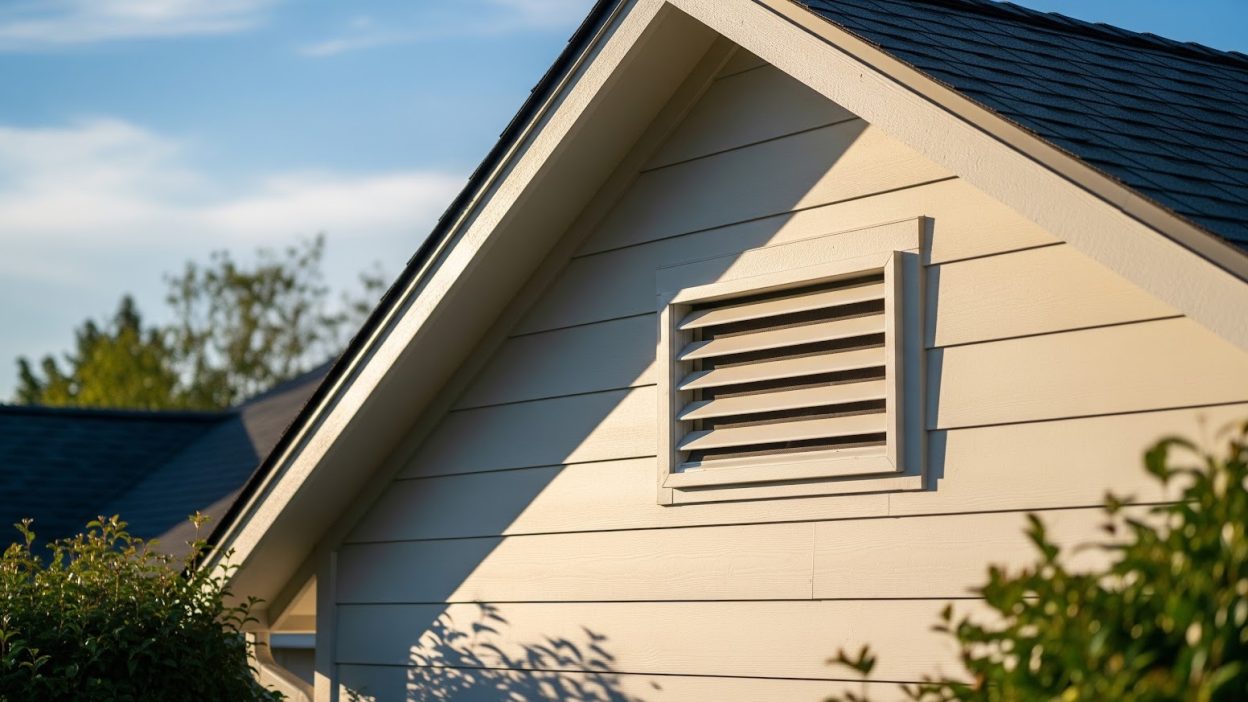
A: In most cases, yes. Ridge vents, additional soffit vents, and gable vents can often be added to an existing roof system without a full replacement. The right solution depends on your current roof configuration and the extent of the deficiency.
Q3: Do ice dams always mean my attic ventilation is inadequate?
A: Ice dams are most commonly caused by a combination of poor attic insulation and inadequate ventilation that allows heat to escape through the roof deck unevenly. Ventilation is typically a contributing factor, though air sealing the attic floor is often equally important.
Q4: Will improving attic ventilation lower my energy bills immediately?
A: Most homeowners see a measurable reduction in cooling costs during the first summer after ventilation improvements are made. The exact savings depend on home size, insulation levels, local energy rates, and how severe the ventilation deficiency was before the fix.
Q5: Is a powered attic fan better than ridge vents?
A: Not necessarily. Passive ridge-and-soffit systems are preferred in most standard residential applications because they require no electricity, have no moving parts to fail, and do not risk depressurizing the attic. Powered fans may be appropriate in specific situations, such as low-slope roofs or homes where passive ventilation is structurally limited, but they should be installed with guidance from a qualified professional.