If your kitchen sink gurgles when dishwasher runs in Cincinnati, OH, you are not alone. That odd bubbling or gurgling sound coming from your sink drain while the dishwasher is mid-cycle is one of the most common plumbing complaints homeowners report. While it might seem like a minor annoyance, that gurgle is actually your plumbing system sending you a warning. It typically signals a venting problem or a partial clog somewhere in the shared drain line, and if left unaddressed, it can allow dirty, bacteria-laden water to back up directly into your kitchen sink while dishes are being “cleaned.” Understanding what causes this issue, how to identify it, and when to act can save you from a much larger and more expensive plumbing headache down the road.
If you are noticing recurring gurgling, strange odors, or slow drainage, consulting a professional through kitchen plumbing services can help identify the root cause before it escalates.
How Your Kitchen Drain System Works
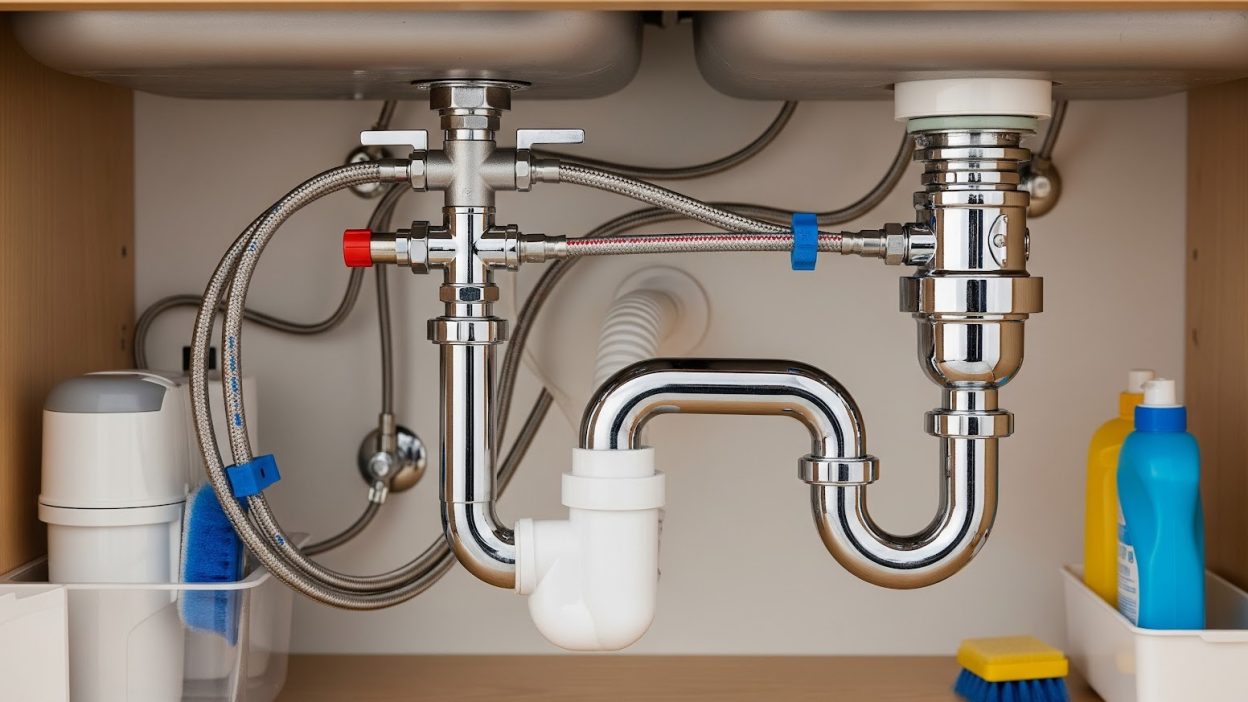
Before diving into the causes of gurgling, it helps to understand how the kitchen drain system is set up. Your dishwasher and kitchen sink share a drain line. When the dishwasher finishes a cycle and pumps out wastewater, that water travels through a drain hose into either the sink’s drain basket or directly into the garbage disposal. From there, it flows through the P-trap and out through the main drain line into your home’s sewer system.
This shared drain setup is efficient, but it also means that a problem in one part of the system can quickly affect the other. The sink and dishwasher do not operate in isolation. They are interconnected, and pressure changes in one part can cause noticeable effects elsewhere.
What Is a Drain Vent and Why Does It Matter
One of the most overlooked components of any home’s plumbing system is the drain vent, sometimes called a plumbing vent or vent stack. Every drain in your home needs air to flow properly. Without adequate air, water draining through the pipes creates a vacuum, which makes it nearly impossible for wastewater to move efficiently.
The vent pipe runs from your drain line up through the walls and exits through the roof. It allows outside air to enter the drain system, maintaining neutral air pressure and letting water flow freely. Think of it like the hole you punch in a juice can before pouring. Without that second hole, the liquid glug-glugs out unevenly. Your plumbing works the same way.
When the vent is partially or fully blocked, the draining dishwasher pulls air from wherever it can find it, often through the nearest drain opening, which is your kitchen sink. That sudden rush of air through standing water in the P-trap is exactly what creates that distinctive gurgling sound.
Common Causes of a Blocked Vent
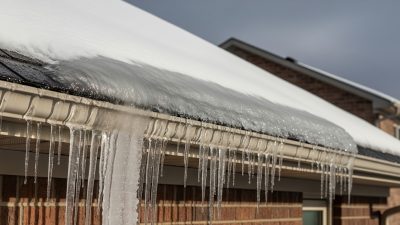
Vent pipes can become obstructed in several ways. Leaves, bird nests, and debris can accumulate at the roof opening over time. In colder climates, ice and frost can seal off the vent during winter months. Occasionally, small animals find their way into vent pipes and become stuck. Any of these blockages restricts airflow and creates the pressure imbalance that leads to gurgling. According to the International Association of Certified Home Inspectors (InterNACHI), blocked vent stacks are among the leading causes of slow drains and gurgling sounds in residential plumbing systems.
Partial Grease Clogs in the Shared Drain Line
Even if your vent is functioning perfectly, gurgling can still occur due to a partial clog in the drain line itself. Over time, grease, soap residue, food particles, and other debris cling to the inner walls of your kitchen drain pipe. This buildup does not always create a full blockage right away. Instead, it narrows the pipe gradually.
When the dishwasher drains, it pushes a large volume of water through the line in a relatively short burst. A partially clogged pipe cannot handle that sudden surge as efficiently, causing the water to back up slightly before draining. This creates turbulence and the familiar gurgling noise at the sink.
Grease is the number one culprit here. Even if you are careful about what you pour down the drain, grease from dishes, pots, and pans accumulates inside the pipes over months and years. Hot water and dish soap only carry it so far before it cools and solidifies further down the line.
The U.S. Environmental Protection Agency (EPA) notes that fats, oils, and grease are responsible for a significant percentage of sewer blockages in residential settings, making regular drain maintenance an important part of home upkeep.
The Risk of Ignoring the Gurgling Sound
A gurgling kitchen sink might seem harmless, but ignoring it carries real risks. The most immediate concern is backflow. When there is a venting issue or a partial clog, the pressure imbalance can force dirty dishwasher water back up through the sink drain. This means the water that was supposed to carry away food residue and bacteria from your dishes can end up sitting in your sink or, in worse cases, on your countertops.
Beyond the hygiene concern, sustained pressure imbalances put stress on your pipes and P-trap over time. What starts as a partial clog can develop into a full blockage. A blocked vent that goes unaddressed can eventually cause sewer gases, including hydrogen sulfide and methane, to seep into your home through drain openings. These gases are not only foul-smelling but potentially dangerous in enclosed spaces.
The longer a plumbing issue is left unattended, the more likely it is to worsen and the more expensive the repair tends to become. Acting on early warning signs like gurgling is always the smarter and more cost-effective approach.
DIY Checks You Can Do at Home
Before calling in a professional, there are a few steps you can take to investigate the issue yourself.
Check the dishwasher drain hose. The drain hose connecting your dishwasher to the sink or garbage disposal should form a high loop near the top of the cabinet under the sink. This high loop prevents backflow. If the hose sags or lacks the loop, it can contribute to gurgling and backflow issues. Some installations use an air gap fitting on the countertop for this same purpose.
Look under the sink for standing water or signs of leaking. If water is pooling under the sink during or after dishwasher cycles, that points to a backflow or clog issue in the shared line.
Run hot water down the drain. Flushing the drain with very hot water for a few minutes can sometimes soften and push through light grease accumulation. Follow it with a mixture of baking soda and white vinegar for a simple, non-chemical cleaning option that can help with minor buildup.
Check the garbage disposal. If you have one, make sure it is clean and not harboring a blockage. Debris inside the disposal can restrict flow and contribute to gurgling.
Inspect the roof vent if it is safe to do so. During fall and winter especially, checking the roof vent opening for debris, leaves, or ice can reveal a simple fix.
When to Call a Professional Plumber
While some gurgling causes are straightforward, others require professional diagnosis and equipment. You should contact a licensed plumber if:
The gurgling persists after you have cleaned the drain and checked the drain hose setup. Multiple drains in your home are gurgling or draining slowly, which can indicate a problem deeper in the main line rather than just the kitchen branch. You notice sewage odors in your kitchen or bathroom. There is visible backflow of water into the sink during or after the dishwasher cycle. You suspect a blocked roof vent but cannot safely access the roof to inspect it.
A plumber has access to tools like drain cameras and hydro-jetting equipment that can locate and remove clogs that household remedies simply cannot reach. Vent blockages in particular almost always require professional attention because they involve roof access and specialized knowledge of venting systems.
For homeowners dealing with persistent gurgling or drainage issues, finding a trusted local plumber with experience in kitchen plumbing systems is the most reliable path to a lasting fix.
Preventing Gurgling in the Future
Prevention is far easier than repair. A few consistent habits can keep your kitchen drain line clear and your plumbing vents unobstructed.
Avoid pouring grease, oil, or fat down the drain, even with hot water running. Let it cool and dispose of it in the trash instead. Use a drain strainer in the sink to catch food particles before they enter the pipes. Run the garbage disposal with plenty of cold water to flush debris fully through the line. Schedule periodic professional drain cleaning, especially in older homes with smaller or corroded pipes. Have your roof vent inspected as part of a regular home maintenance routine, particularly after storms or at the start of winter.
Wrapping It All Up
The gurgling sound your kitchen sink makes when the dishwasher runs is not something to write off as a quirk of your plumbing. It is a clear signal that air pressure in your drain system is off, usually because of a blocked vent pipe or a partial clog in the shared drain line. Left unchecked, this imbalance can lead to dirty water backing up into your sink, persistent odors, and eventually more serious plumbing damage.
The good news is that identifying the cause early gives you options. Simple DIY checks can resolve some issues, while persistent or recurring gurgling calls for a professional eye. Either way, acting promptly is always the right move when your plumbing is trying to tell you something.
Frequently Asked Questions
1. Is it normal for my sink to gurgle when the dishwasher drains?
Occasional, very faint sounds can occur in some plumbing setups, but consistent or loud gurgling is not normal. It typically points to a venting problem or a partial clog and should be investigated rather than ignored.
2. Can a gurgling sink cause water damage?
Yes. If the gurgling is caused by a significant clog or backflow issue, dirty water can back up into the sink or underneath the cabinet, leading to water damage, mold growth, and unsanitary conditions in your kitchen.
3. How do I know if my drain vent is blocked?
Signs of a blocked vent include gurgling sounds from multiple drains, slow draining across the home, sewer gas smells, and water that gurgles or bubbles when a large appliance like a dishwasher or washing machine drains. A plumber can confirm the diagnosis with a drain camera.
4. Can I use chemical drain cleaners to fix the gurgling?
Chemical drain cleaners can sometimes dissolve light grease buildup, but they are not effective against vent blockages and can damage older or plastic pipes with repeated use. Enzymatic drain cleaners are a safer option for regular maintenance, but significant clogs usually require professional removal.
5. How often should I have my kitchen drains professionally cleaned?
For most households, having kitchen drains professionally cleaned every one to two years is a reasonable preventive measure. Homes with older plumbing, heavy cooking activity, or a history of clogs may benefit from more frequent service.
6. What is the high loop on a dishwasher drain hose and why does it matter?
The high loop refers to routing the dishwasher drain hose up to the highest point under the sink cabinet before it connects to the drain or garbage disposal. This elevation prevents wastewater from siphoning back into the dishwasher and reduces the risk of dirty water backflow into the sink during the drain cycle.