Winter in Cincinnati brings more than just cold temperatures. The city’s position in the Ohio River Valley creates a pattern of repeated freezing and thawing that puts residential roofs under serious stress every single season. For homeowners across the Greater Cincinnati area, knowing how to prevent ice dams on roof surfaces is one of the most valuable pieces of winter knowledge you can have. Left unchecked, ice dams can cause thousands of dollars in damage to roofing materials, attic insulation, ceilings, and walls. The good news is that most ice dam problems are preventable with the right preparation. Working with a qualified roofing contractor in Cincinnati before winter arrives is one of the smartest investments a homeowner can make.
What Are Ice Dams and How Do They Form?
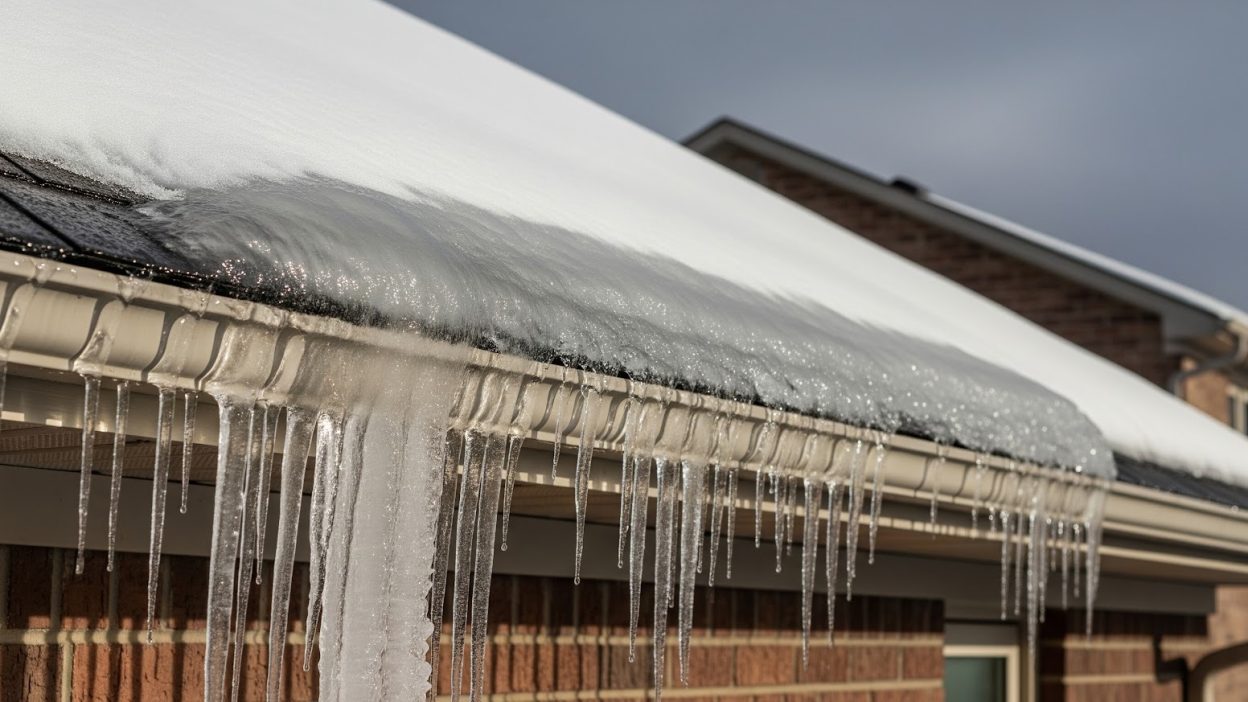
An ice dam is a ridge of ice that builds up along the lower edge of a roof, typically at the eaves or gutters. When ice dams grow large enough, they block melting snow from draining off the roof. The trapped water then backs up underneath shingles and works its way into the home, causing leaks, mold, and structural damage.
The formation process follows a predictable pattern. Heat escaping from a poorly insulated or poorly ventilated attic warms the upper portion of the roof deck. Snow on that warmer section melts and runs down toward the eaves, where the roof surface is colder because it hangs beyond the exterior wall. The meltwater refreezes at the cold eaves, and over repeated freeze-thaw cycles, a dam grows thicker and wider.
According to the Insurance Institute for Business and Home Safety (IBHS), ice dams are one of the most common causes of winter roof damage in the United States, and they are almost entirely tied to attic heat loss and inadequate ventilation.
Why Cincinnati’s Climate Makes Ice Dams a Particular Problem
Not every cold climate creates equal ice dam risk. Cities with consistently subzero temperatures actually see fewer ice dams because the entire roof surface stays frozen and meltwater never forms. Cincinnati’s challenge is the opposite: the city frequently swings above and below freezing within the same week, sometimes within the same day.
The Ohio River Valley geography contributes to this volatility. Cincinnati sits at a low elevation surrounded by hills, which traps moisture and creates microclimatic conditions that other Midwestern cities do not experience in the same way. The National Weather Service office in Wilmington, Ohio, which covers the greater Cincinnati region, regularly documents how quickly temperatures fluctuate during winter storm events in the area.
These repeated thaw-and-refreeze cycles mean that even a modest snowfall, followed by a warm afternoon and a cold night, is enough to trigger ice dam formation on a roof that lacks proper insulation and ventilation. Cincinnati homeowners cannot rely on temperatures staying cold enough to keep snow frozen on the roof, so passive prevention through building science is the only reliable approach.
The Role of Attic Insulation in Preventing Ice Dams
The most effective long-term solution for ice dam prevention starts inside the attic, not on the roof surface itself. When an attic is properly insulated, heat from the living spaces below cannot escape through the ceiling and warm the roof deck. The roof surface stays uniformly cold, matching the temperature of the outdoor air, and snow has no reason to melt unevenly.
The U.S. Department of Energy recommends that most homes in the Cincinnati climate zone (Zone 4) have attic insulation with an R-value between R-38 and R-60, depending on the existing insulation type and the construction of the home.
Key areas to address include:
Attic floor insulation. The attic floor, which is the ceiling of the living space below, should be thoroughly insulated to reduce heat transfer upward. Blown-in insulation or batts are commonly used, and gaps around light fixtures, plumbing penetrations, and ductwork should be sealed before insulation is added.
Air sealing. Insulation alone does not stop air leaks. Warm, moist air from the living space can sneak through small gaps and still warm the roof deck. Air sealing with spray foam or caulk at all penetration points is equally important as adding insulation material.
Knee walls and dormers. Homes with finished attic spaces, dormers, or knee walls have additional areas where insulation is often inadequate. These areas require careful attention because they create complex heat pathways.
The Role of Attic Ventilation in Preventing Ice Dams
Ventilation works alongside insulation to keep the roof deck uniformly cold. A well-ventilated attic allows cold outdoor air to move continuously through the attic space, which carries away any heat that does manage to escape from below and prevents pockets of warmth from developing under the roof deck.
Proper attic ventilation systems typically involve a combination of intake vents at the eaves or soffits and exhaust vents at or near the ridge. This creates a natural convection current where cold air enters at the bottom and warm air exits at the top.
The Asphalt Roofing Manufacturers Association (ARMA) provides detailed ventilation guidance for different roof types and climates, and their standards serve as a baseline for roofing professionals working in regions like Cincinnati where freeze-thaw cycles are a seasonal concern.
Signs that a home’s attic ventilation may be inadequate include unusually high energy bills in winter, ice dams forming in the same spots year after year, and visible frost or moisture on the underside of the roof deck when inspecting the attic.
Other Preventive Measures Worth Considering
Beyond insulation and ventilation, there are several additional strategies that Cincinnati homeowners can use to reduce ice dam risk.
Ice and water shield underlayment. During roof replacement or repair, installing a self-adhering ice and water shield membrane along the eaves provides a waterproof barrier that prevents water infiltration even if an ice dam does form. Most building codes in Ohio require this membrane for a certain distance from the eave edge, but extending it further up the roof slope provides extra protection.
Heated roof cables. Electric roof cables, sometimes called heat tape, can be installed along the eaves to create a channel through which meltwater can drain even when ice forms around it. This is not a substitute for proper insulation and ventilation, but it can be a useful supplementary measure for homes with persistent problem areas.
Gutter maintenance. Clean gutters allow meltwater to flow freely away from the roof edge. Clogged gutters create a collection point where water pools and refreezes, accelerating ice dam formation. Cleaning gutters in late fall, before the first snowfall, is a simple but effective step.
Snow removal after heavy snowfall. Using a roof rake to carefully remove snow from the lower portion of the roof after significant snowfall reduces the raw material available for ice dam formation. Roof rakes are widely available at hardware stores and allow homeowners to pull snow off lower roof sections from ground level without climbing a ladder.
Warning Signs That Ice Dam Damage Has Already Started
Prevention is the goal, but sometimes homeowners discover ice dam problems only after damage has already occurred. Recognizing the warning signs early can limit the extent of repairs needed.
Interior water stains on ceilings or walls. Discoloration, bubbling paint, or damp spots on interior ceilings near exterior walls are often the first visible sign that water is infiltrating from a backed-up ice dam. These stains may appear during winter storms or during thaw periods.
Icicle buildup at the eaves. While some icicle formation is normal in winter, unusually large or wide icicles growing from the gutters or eaves suggest that significant water is running to the roof edge and refreezing. A large icicle buildup is often accompanied by a ridge of ice forming just above the gutters.
Sagging or pulling gutters. The weight of ice accumulating in gutters can cause them to pull away from the fascia board or sag noticeably. This is both a sign of ice dam activity and a potential safety hazard, as falling gutters or ice can injure people below.
Water stains in the attic. Inspecting the attic during or after a winter weather event can reveal wet insulation, dark staining on the roof deck, or visible water dripping from rafters. These signs indicate active infiltration and warrant immediate professional evaluation.
If any of these conditions are present, it is advisable to contact a licensed roofing professional to assess the extent of the damage. You can also find local roofing services through this Google Maps listing to connect with a qualified contractor in the Cincinnati area.
Seasonal Preparation Timeline for Cincinnati Homeowners
Getting ahead of ice dam season means completing key tasks before the first hard freeze arrives. In early to mid-fall, homeowners should schedule an attic inspection to evaluate insulation levels and check for air leaks. Gutters and downspouts should be cleaned thoroughly at this time as well. In late fall, before the first snowfall is forecast, consider positioning a roof rake near exterior entry points so it is accessible when needed. Heated roof cables, if being added, should be installed before temperatures drop below freezing. During winter, monitor the roofline after significant snowfall and use a roof rake on lower sections from the ground when it is safe to do so.
Final Thoughts: A Proactive Approach Pays Off
Wrapping Up
Ice dams are a predictable consequence of Cincinnati’s freeze-thaw winter climate, but they are not inevitable. The combination of adequate attic insulation, proper ventilation, and a few practical maintenance habits gives homeowners strong protection against one of the most damaging winter roofing problems. Investing in these measures before the season begins is almost always less expensive than repairing the water damage that ice dams leave behind. For homeowners unsure about their attic or roof condition, a professional evaluation provides clarity and cost-effective recommendations tailored to the specific construction of the home.
Frequently Asked Questions
1. What is the most common cause of ice dams in Cincinnati homes?
The most common cause is heat escaping from the living space into the attic and warming the roof deck unevenly. This is typically due to insufficient attic insulation, air sealing gaps, or inadequate ventilation. Cincinnati’s frequent freeze-thaw cycles amplify the problem because meltwater has repeated opportunities to refreeze at the cold eaves.
2. Can ice dams cause permanent damage to a roof?
Yes. Water backing up behind an ice dam and penetrating beneath the shingles repeatedly can damage the roof deck, deteriorate underlayment, rot fascia boards, and introduce moisture into the attic and ceilings. Over time, this moisture can also lead to mold growth. Addressing the problem promptly reduces the likelihood of permanent structural damage.
3. Is removing ice dams myself safe?
Chipping ice dams off a roof with tools is generally not recommended because it can damage shingles and poses a fall risk. Roof rakes used from the ground to remove snow before dams form are a safer alternative. Calcium chloride ice melt products can also help with existing dams, though professional removal is safest for significant buildup.
4. How much attic insulation does a Cincinnati home need?
The U.S. Department of Energy recommends R-38 to R-60 for attic insulation in Cincinnati’s climate zone. The right level depends on existing insulation type, home age, and construction. An energy auditor or roofing professional can assess the current level and recommend additions.
5. Do new roofs come with protection against ice dams?
Modern roofing installations in Ohio typically include ice and water shield underlayment along the eaves, which prevents water entry even if an ice dam forms above. Ohio building codes specify minimum requirements for this material, but extending the shield further up the slope provides enhanced protection for homes in freeze-thaw prone climates like Cincinnati.