Every year, Dallas homeowners face unexpected repair bills because of one missing piece of equipment: a chimney cap. While it might seem like a small detail, this simple protective cover is one of the most important defenses your home has against water damage, wildlife intrusion, and dangerous downdrafts. Many people don’t realize their chimney is unprotected until they’re dealing with water stains on their ceiling, animals nesting in the flue, or a living room filled with smoke during a cozy fire. If you’re wondering “do I need a chimney cap in Dallas, TX?” the answer is almost always yes. Professional chimney repairs often reveal that a quality cap could have prevented thousands of dollars in damage, making it one of the smartest investments a homeowner can make.
Understanding what a chimney cap does and why it matters in the North Texas climate can help you avoid costly emergency repairs and keep your home safe year-round.
What Is a Chimney Cap and What Does It Do?
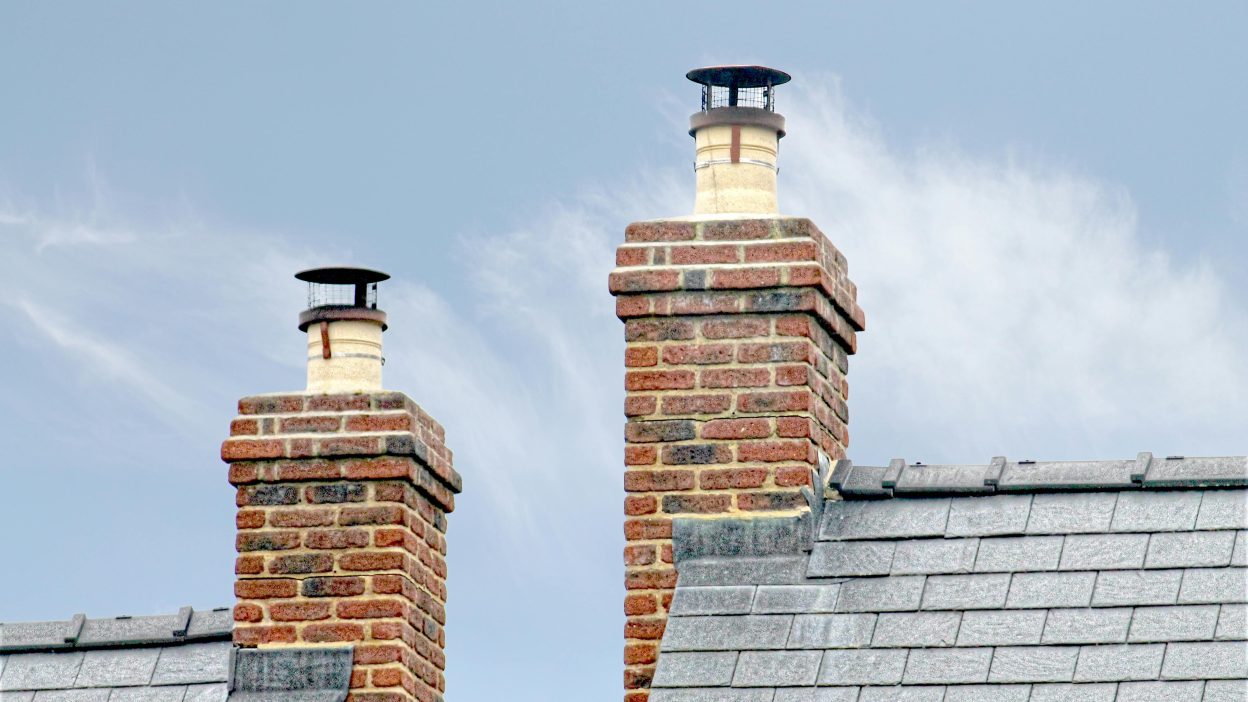
A chimney cap is a protective covering that sits on top of your chimney, typically made from stainless steel, copper, or galvanized steel. Most caps feature a solid top to deflect rain and snow, mesh screening on the sides to keep out animals and debris, and mounting hardware to secure it to your chimney crown or flue.
The design is straightforward, but the protection it provides is comprehensive. By creating a barrier between the outside environment and your chimney’s interior, a properly installed cap addresses multiple vulnerabilities that can compromise your home’s safety and structural integrity. According to the Chimney Safety Institute of America, a chimney cap is considered essential safety equipment for any home with a wood-burning or gas fireplace.
Problem 1: Water Damage from Rain and Moisture
North Texas weather patterns make water intrusion one of the most damaging issues for uncapped chimneys. Dallas receives an average of 37 inches of rain annually, and when that water pours directly into your chimney, it creates a cascade of problems.
Water running down an unprotected flue damages the interior masonry, causing the mortar joints to deteriorate and bricks to spall. In homes with metal fireplace inserts, moisture accelerates rust formation, shortening the lifespan of expensive components. The damper mechanism can seize up from rust, and water pooling at the firebox base will eventually leak into your home, creating stains on walls and ceilings.
The freeze-thaw cycle common in DFW winters compounds the damage. Water absorbed into masonry freezes overnight, expands, and cracks the material from the inside out. Over time, this cycle can compromise the entire chimney structure, leading to repairs that can cost several thousand dollars.
A quality chimney cap prevents all of this by keeping rain out while allowing smoke and gases to vent properly. The initial investment of $150 to $500 for a cap installation is minimal compared to the potential repair costs of water-damaged masonry.
Problem 2: Animal and Wildlife Intrusion
Dallas chimneys provide an attractive nesting site for various wildlife species. Raccoons, squirrels, chimney swifts, and bats frequently make their homes in uncapped flues, especially during breeding season in spring and early summer.
Birds nesting in your chimney create fire hazards with their flammable nesting materials. Raccoons can cause extensive damage trying to escape once they realize they’re trapped. The scratching, chirping, and movement of animals in your chimney is not only disturbing but can also spread parasites and disease into your living space.
According to wildlife removal experts, extracting animals from chimneys is considerably more expensive than preventing entry in the first place. Professional removal services typically charge $200 to $500, and if babies are present, the cost increases significantly. Some protected bird species legally cannot be removed until their young have fledged, meaning you might have to wait weeks or months before using your fireplace again.
The mesh screening on a chimney cap creates an impenetrable barrier that keeps all wildlife out while maintaining proper ventilation. The openings in quality caps are sized to prevent even small birds and bats from entering while allowing adequate airflow for combustion and venting.
Problem 3: Debris Accumulation and Fire Hazards
Without a cap, your chimney becomes a collection point for leaves, twigs, pine needles, and other debris that blows across Dallas neighborhoods during storms. This organic material accumulates on the smoke shelf and in the firebox, creating multiple problems.
Dry leaves and twigs are extremely flammable. When you light your first fire of the season, this accumulated debris can ignite suddenly, creating a chimney fire that can spread to your home’s structure. The National Fire Protection Association reports that failure to clean chimneys is a leading factor in home heating fires.
Debris also blocks proper airflow through the flue. When combustion gases cannot vent efficiently, they back up into your home, filling rooms with smoke and exposing your family to dangerous carbon monoxide. Partial blockages reduce your fireplace’s efficiency, making fires harder to start and maintain.
A chimney cap’s top shield deflects falling debris while the side screening catches anything blown by wind. Regular storms and high winds are common in the Dallas area, particularly during spring severe weather season, making this protection especially valuable for local homeowners.
Problem 4: Downdrafts and Energy Efficiency Issues
The flat terrain and variable wind patterns around Dallas create conditions where downdrafts can push cold air down your chimney and into your home. Without a cap to deflect these winds, you’ll notice cold drafts even when the damper is closed, uncomfortable temperature fluctuations in rooms with fireplaces, and higher heating and cooling bills as conditioned air escapes up the flue.
Chimney caps are designed to reduce downdrafts by disrupting wind flow across the top of the flue. Some models include specialized features like rotating wind guards or multiple flue covers that further enhance draft control. By maintaining proper airflow direction, caps help your fireplace draw correctly, improving both performance and safety.
The energy savings from reduced air infiltration can help offset the cap’s initial cost over time. Sealing this major opening in your home’s thermal envelope contributes to overall energy efficiency, which is particularly important during Texas’s extreme summer heat and occasional winter cold snaps.
Problem 5: Spark and Ember Protection
Wood-burning fireplaces can send sparks and hot embers up the chimney, especially when using pine or other resinous woods common in the Dallas area. Without a cap, these burning particles exit freely onto your roof, where they can ignite shingles, gutters, or nearby landscaping.
The risk increases during drought conditions, which North Texas experiences periodically. Dry roofing materials and vegetation are highly susceptible to ignition from airborne sparks. According to fire safety experts, spark arrestors are considered essential equipment for all wood-burning appliances.
Modern chimney caps include integral spark arrestors with mesh fine enough to contain embers while coarse enough not to restrict smoke flow. This simple feature provides crucial protection for your property and can even be required by local fire codes or homeowner insurance policies. For professional guidance on fire safety and chimney protection, consider consulting with chimney repair specialists in Dallas.
Choosing Between Single-Flue and Multi-Flue Caps
When selecting a chimney cap, you’ll need to decide between single-flue caps that cover individual flue tiles and multi-flue caps that cover your entire chimney top.
Single-flue caps mount directly to individual flue tiles using mounting brackets or screws. They’re less expensive, typically costing $50 to $150 per cap, and work well for chimneys with one or two separate flues. Installation is straightforward, and if one cap needs replacement, you don’t have to replace them all.
However, single-flue caps leave the chimney crown exposed to weather. Over time, the crown can crack and deteriorate, allowing water to penetrate the masonry. They also create a somewhat cluttered appearance on chimneys with multiple flues.
Multi-flue caps, also called top-mount or full-coverage caps, extend over the entire chimney top, protecting both the flues and the crown. These range from $200 to $600 depending on size and material. They provide superior weather protection, present a cleaner aesthetic, and often include features like integrated spark arrestors for all flues simultaneously.
For Dallas homes with two or more flues, the additional cost of a multi-flue cap is often justified by the comprehensive protection it provides. The crown protection alone can prevent thousands in future masonry repairs.
Material Considerations: Stainless Steel vs. Copper
The material you choose for your chimney cap affects both its longevity and cost.
Stainless steel is the most popular choice for Dallas homeowners. It resists rust in our humid climate, typically lasts 20 to 30 years with minimal maintenance, and costs $100 to $300 for most residential applications. Stainless steel handles temperature extremes well, an important factor given Texas’s range from freezing winters to 100-plus-degree summers.
Aluminum caps are the budget option, costing $50 to $150, but they corrode more quickly in moisture and may only last 10 to 15 years. They’re adequate for gas fireplaces with lower flue temperatures but aren’t recommended for wood-burning applications.
Copper chimney caps are the premium choice, priced at $300 to $800 or more. They develop an attractive patina over time that many homeowners find aesthetically pleasing. Copper is naturally antimicrobial, preventing organic growth, and can last 50 years or more. The higher initial cost is offset by exceptional longevity and the visual appeal that can enhance your home’s curb appeal.
For most Dallas homeowners, stainless steel offers the best balance of durability, performance, and cost. If your home has copper gutters, downspouts, or other architectural copper elements, matching copper chimney caps create a cohesive appearance.
Inspection and Replacement Guidelines for the DFW Climate
The North Texas climate requires regular chimney cap inspection to ensure continued protection. The combination of intense summer heat, severe thunderstorms, occasional hail, and freeze-thaw cycles during winter creates conditions that can compromise even quality caps over time.
Annual inspections are recommended, ideally performed in late summer or early fall before heating season begins. Professional chimney sweeps check for rust or corrosion, especially around fastening points, damage from hail or falling branches, loose or missing mounting hardware, and deterioration of the mesh screening. They also look for evidence of animal tampering or nesting attempts and verify that the cap remains securely attached.
Most quality stainless steel caps last 20 to 30 years in the Dallas area, but several factors can shorten this lifespan. Homes near trees face increased risk from falling branches. Properties in areas with frequent severe weather may experience accelerated wear. Wood-burning fireplaces subject caps to more heat stress than gas units. Lower-quality materials or improper installation can lead to premature failure.
Signs that your chimney cap needs replacement include visible rust or corrosion, especially holes in the metal, torn or damaged screening that could allow animal entry, and loose mounting that allows the cap to move in the wind. You may also notice water stains appearing on interior walls near the fireplace or evidence of animals or debris in the firebox.
Don’t wait until complete failure to replace a deteriorating cap. Once animals get inside or water damage begins, the cost of repairs quickly exceeds the price of a new cap installation.
Professional Installation vs. DIY Considerations
While handy homeowners might consider installing a chimney cap themselves, professional installation offers important advantages. Chimney work requires working safely on the roof, which can be dangerous without proper equipment and experience. Professionals ensure correct sizing and secure mounting, use appropriate flashing and sealant to prevent leaks, and can identify other chimney issues during installation.
The cost difference between DIY and professional installation is often smaller than expected. A quality cap purchased at retail might cost $150 to $300, and professional installation adds $100 to $200. That modest premium buys expert installation, warranty coverage, and peace of mind that the job is done correctly.
For homeowners interested in DIY installation, key considerations include accurately measuring your flue diameter or chimney dimensions before purchasing, using stainless steel mounting hardware that won’t rust, following manufacturer instructions precisely regarding sealant and spacing, and ensuring the cap doesn’t restrict the flue opening by more than 10%.
Wrapping Up: The Value of Prevention
A chimney cap represents one of the highest-return investments you can make in your Dallas home’s maintenance. For a few hundred dollars, you protect against thousands in potential water damage, prevent dangerous carbon monoxide backup and chimney fires, eliminate wildlife intrusion and nesting, improve your fireplace’s efficiency and performance, and extend the life of your chimney structure.
The question isn’t really whether you need a chimney cap, but rather when you’ll install one. Every day without this protection exposes your home to preventable damage. The next severe thunderstorm, the next cold front driving downdrafts into your home, or the next raccoon looking for a den site could trigger problems that far exceed the cost of proper protection.
Whether you choose a basic stainless steel single-flue cap or invest in a premium copper multi-flue cover, the protection you gain justifies the expense many times over. For Dallas homeowners, a chimney cap isn’t optional equipment but rather essential defense against the unique challenges of North Texas climate and wildlife. Don’t wait for water stains, animal sounds, or smoke backup to force your hand. Protect your investment proactively and enjoy the peace of mind that comes with a properly protected chimney.
Frequently Asked Questions
How much does a chimney cap cost in Dallas?
Chimney cap costs in Dallas typically range from $150 to $500 for the cap and professional installation combined. Single-flue stainless steel caps are the most affordable option at $150 to $250 installed, while multi-flue caps or premium materials like copper can cost $400 to $800. The exact price depends on your chimney size, the number of flues, material choice, and accessibility of your roof. While this might seem like an expense, it’s far less than the $2,000 to $5,000 you might spend repairing water damage or removing trapped animals.
Can I install a chimney cap myself?
Installing a chimney cap yourself is possible if you’re comfortable working on your roof and have basic tools. However, professional installation is recommended because it ensures proper sizing and mounting, includes inspection of other chimney components, provides warranty coverage on both materials and labor, and eliminates the safety risks of roof work. If you do choose DIY installation, make absolutely certain you measure carefully, use weather-resistant mounting hardware, and follow all manufacturer guidelines for secure attachment.
Do gas fireplaces need chimney caps?
Yes, gas fireplaces need chimney caps just as much as wood-burning units. While gas produces less creosote and no sparks, the flue still faces threats from rain and moisture that can damage the liner, animals that can nest and block venting, debris that can obstruct proper gas venting, and downdrafts that affect burner performance. In fact, carbon monoxide backup from a blocked gas flue can be even more dangerous than smoke from a wood fire because it’s odorless and invisible. Never leave a gas fireplace flue unprotected.
What’s the difference between a chimney cap and a chimney crown?
A chimney cap and chimney crown serve different but complementary functions. The crown is the concrete or mortar top of the chimney structure itself, sloped to shed water away from the flue. The cap is a metal cover that sits on top of the crown or attaches directly to the flue tile. The crown provides structural protection to the masonry, while the cap keeps rain, animals, and debris out of the flue opening. Both are necessary for complete chimney protection, and a multi-flue cap provides additional crown protection beyond what the crown alone offers.
How often should I replace my chimney cap in Dallas?
A quality stainless steel chimney cap should last 20 to 30 years in the Dallas climate with proper installation and minimal maintenance. Copper caps can last 50 years or more. However, several factors can shorten lifespan, including severe weather exposure such as hail damage, proximity to trees and falling branches, high usage of wood-burning fireplaces, and lower-quality materials or improper installation. Have your cap inspected annually as part of routine chimney maintenance. Replace it immediately if you notice rust holes, torn screening, loose mounting, or any signs of water or animal intrusion, even if it hasn’t reached its expected lifespan.
Can I install a chimney cap myself?
Installing a chimney cap yourself is possible if you’re comfortable working on your roof and have basic tools. However, professional installation is recommended because it ensures proper sizing and mounting, includes inspection of other chimney components, provides warranty coverage on both materials and labor, and eliminates the safety risks of roof work. If you do choose DIY installation, make absolutely certain you measure carefully, use weather-resistant mounting hardware, and follow all manufacturer guidelines for secure attachment.