
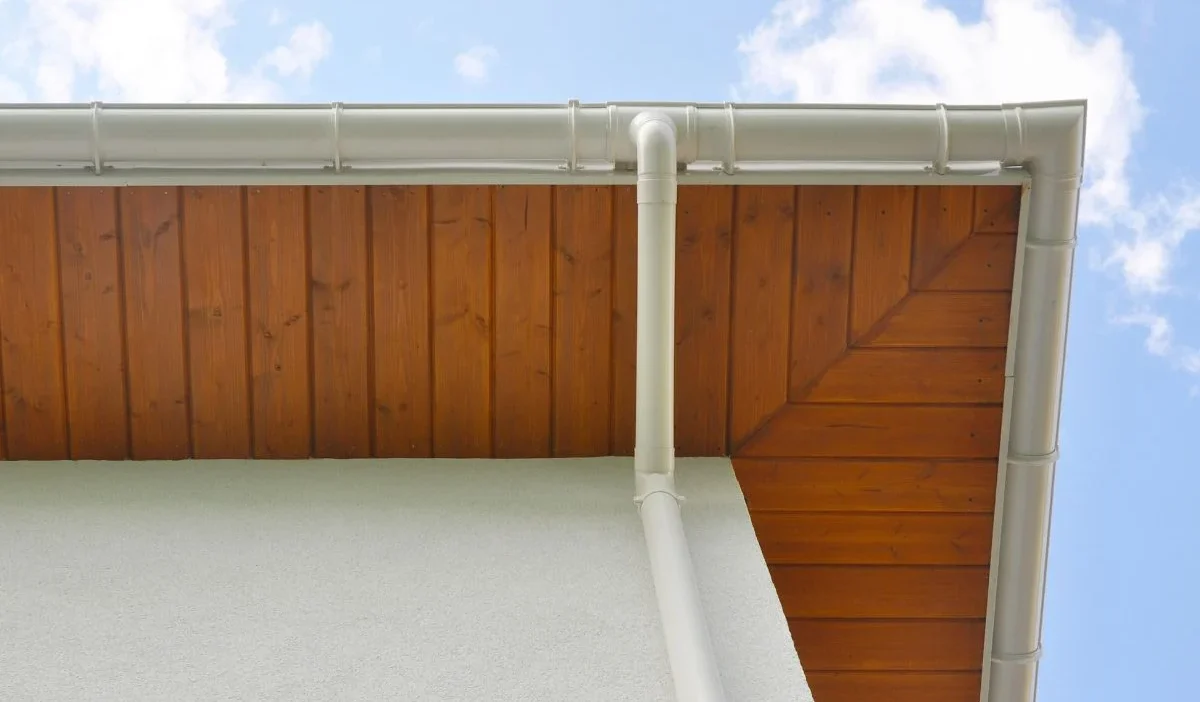
When was the last time you took a good look at your gutters? If you’re like most homeowners, the answer is probably “not recently enough.” Gutters are one of those essential home components that work silently in the background until something goes wrong. By then, you might be dealing with water pooling around your foundation, rotting fascia boards, or even structural damage to your roof. Recognizing the signs you need new gutters early can save you thousands of dollars in repairs and protect your home’s structural integrity. Professional soffit, fascia, and gutter services can help you assess whether repair or full replacement is the right choice for your home.
Understanding when your gutters have reached the end of their lifespan isn’t always obvious, especially if you’re not trained to spot the subtle warning signs. However, by learning what to look for during routine inspections, you can catch problems before they escalate into major home repairs. Let’s explore the seven critical indicators that your gutter system needs replacing, along with practical advice on maintenance and replacement options.
The Hidden Connection Between Failing Gutters, Fascia Rot, and Roof Edge Damage
Many homeowners don’t realize that gutters are more than just a rainwater management system. They’re actually a critical component of your roof’s defense system. When gutters fail, the domino effect can compromise multiple structural elements of your home.
The relationship between gutters, fascia boards, and roof edges is interconnected. Your fascia boards are the vertical finishing edges that run along the perimeter of your roof, and they’re what your gutters attach to. When gutters become clogged, damaged, or misaligned, water overflows and seeps behind the gutter system. This constant moisture exposure causes the fascia wood to rot, weaken, and eventually fail.
According to the National Association of Home Builders, wood fascia boards typically need replacement every 20 to 30 years under normal conditions, but failing gutters can accelerate this timeline dramatically. Once fascia rot sets in, it creates entry points for water to penetrate beneath your roof shingles and into the roof decking. This moisture intrusion can lead to:
- Deterioration of roof sheathing and structural supports
- Interior ceiling stains and water damage
- Mold and mildew growth in attic spaces
- Compromised insulation effectiveness
- Damage to soffits and ventilation systems
The cost to repair roof edge damage, replace rotted fascia, and address interior water damage can easily exceed $5,000 to $15,000, depending on the extent of the problem. In contrast, replacing worn gutters before they cause secondary damage typically costs between $1,000 and $3,000 for an average home. The financial case for proactive gutter replacement is clear.
Sign #1: Visible Cracks, Splits, or Holes
The most obvious indicator that you need new gutters is visible damage to the gutter material itself. Small cracks might seem manageable, but they rarely stay small. Temperature fluctuations cause metal to expand and contract, which means a hairline crack in spring can become a gaping split by winter.
Walk around your home and examine your gutters closely. Look for:
- Cracks or splits along seams or flat sections
- Rust holes that have eaten through metal gutters
- Separated joints where gutter sections meet
- Visible light coming through the gutter material
While you can patch small holes with gutter sealant or tape, this is typically a temporary solution. If you’re finding multiple problem spots or the damage is extensive, replacement is the more cost-effective long-term solution.
Sign #2: Frequent Overflow and Pooling Water
Do you notice water spilling over the sides of your gutters during moderate rainfall? This overflow isn’t just a minor inconvenience; it’s a sign that your gutter system isn’t functioning properly. Several factors can cause gutter overflow:
Improper pitch: Gutters must be angled correctly (typically a quarter inch of slope for every 10 feet) to allow water to flow toward downspouts. Over time, mounting brackets can loosen, causing sections to sag and creating low spots where water pools.
Undersized gutters: If your home has 4-inch gutters but your roof area and local rainfall intensity require 5-inch or 6-inch gutters, no amount of cleaning will prevent overflow during heavy storms.
Structural damage: Warped, bent, or pulled-away sections create barriers that prevent proper water flow.
The Environmental Protection Agency emphasizes that proper rainwater management is essential for preventing soil erosion, foundation damage, and basement flooding. When gutters consistently overflow, water cascades directly off your roof edge and saturates the soil around your foundation, potentially leading to serious structural issues.
Sign #3: Peeling Paint or Rust Stains
Your gutters’ exterior appearance tells you a lot about their condition. If you notice paint peeling off your gutters or rust stains streaking down the sides, it’s a clear warning sign of moisture problems.
Aluminum gutters are typically painted or have a baked-on finish. When this protective coating fails, the underlying metal becomes exposed to moisture. Once oxidation begins, it accelerates quickly. Similarly, steel gutters that show rust are already compromised, even if they haven’t yet developed holes.
Peeling paint on the fascia board directly below your gutters is equally concerning. This indicates that water is escaping from the gutter system and running down the back side, saturating the wood. This hidden moisture damage often goes unnoticed until the fascia has significantly deteriorated.
Sign #4: Sagging or Pulling Away from the House
Gutters should sit snugly against your fascia board in a consistent line along your roofline. If you notice sections that are sagging, pulling away, or hanging at odd angles, your gutter system has structural problems that require attention.
Several issues can cause gutters to sag:
Weight from debris: Years of accumulated leaves, twigs, and sediment add significant weight, especially when wet. This constant strain weakens mounting brackets and can bend the gutter material itself.
Ice and snow load: In regions with cold winters, ice dams and heavy snow accumulation can place enormous stress on gutter systems. The weight can bend gutters, pull them away from fascia boards, and damage the mounting hardware.
Failed fasteners: The brackets, spikes, or hangers that secure gutters to your home can rust, loosen, or pull out of rotted fascia wood over time.
Age-related material failure: Older sectional gutters with multiple seams are particularly prone to sagging as the joints weaken.
Sagging gutters not only look unsightly, but they also can’t function properly. Water pools in the low sections rather than flowing toward downspouts, which accelerates deterioration and increases the risk of overflow.
Sign #5: Water Marks or Damage at the Foundation
Take a walk around your home’s perimeter after a rainstorm. Look for these telltale signs of gutter failure:
- Water stains or mildew on siding near the foundation
- Channels or erosion in the soil near your foundation
- Pooling water within six feet of your home
- Water stains on foundation walls
- Cracks in concrete foundation or basement walls
According to This Old House, foundation repairs rank among the most expensive home repairs, often costing $10,000 to $50,000 for major issues. The primary job of your gutter system is to channel water away from your foundation. When gutters fail at this fundamental task, you’re inviting serious problems.
Even if your gutters appear intact from ground level, check your downspout discharge points. Downspouts should direct water at least six to ten feet away from your foundation. If water is being dumped directly at your home’s base, you need to extend your downspouts or install splash blocks, even if the gutters themselves are in good condition.
Sign #6: Mold, Mildew, or Moisture in Unexpected Places
Failing gutters often announce their presence through moisture problems in unusual locations. Keep an eye out for:
Basement moisture: If your basement has become increasingly damp or you notice water seepage during storms, your gutters may be directing water straight into the ground around your foundation.
Attic mold: Water that gets behind gutters and under shingles often finds its way into attic spaces, creating ideal conditions for mold growth.
Interior wall stains: Water intrusion from failing gutters can travel along roof decking and wall cavities, showing up as ceiling stains or wall discoloration far from the actual entry point.
Siding damage: Constant moisture exposure from overflowing or leaking gutters can cause wood siding to rot, vinyl siding to develop mildew, and stucco to crack.
The Centers for Disease Control and Prevention warns that indoor mold growth can trigger allergic reactions and respiratory problems. If mold appears in your home and you can’t identify an obvious source, inspect your gutters and roof edge carefully.
Sign #7: Age and Material Deterioration
Even well-maintained gutters don’t last forever. Different materials have different lifespans:
Aluminum gutters: 20 to 25 years with proper maintenance Steel gutters: 15 to 20 years before rust becomes a significant issue Vinyl gutters: 10 to 15 years, as UV exposure causes brittleness Copper gutters: 50+ years, though they’re significantly more expensive
If your gutters are approaching or exceeding their expected lifespan and you’re starting to see any of the warning signs mentioned above, replacement is likely your best option. At a certain point, the frequency of repairs makes replacement more economical.
Seasonal Inspection Checklist: Spring After Ice and Fall After Leaves
Proactive gutter maintenance starts with regular seasonal inspections. In regions with significant seasonal weather changes, two critical inspection periods can help you catch problems early.
Spring Inspection (Post-Winter and Ice Season)
After winter, inspect for:
- Ice damage: Look for gutters that have been pulled away from fascia, bent sections, or separated joints caused by ice expansion or ice dam formation
- Mounting hardware: Check that all brackets, spikes, and hangers are secure and haven’t been loosened by freeze-thaw cycles
- Roof edge condition: Examine fascia boards for signs of rot, soft spots, or water damage from ice-related gutter failures
- Downspout operation: Ensure downspouts are clear and water flows freely (flush with a garden hose if needed)
- Seam integrity: Check all seams and corners for separation or leaking
Spring is also an excellent time to clear out any debris that accumulated during winter before the rainy season begins in earnest.
Fall Inspection (Post-Leaf Season)
After leaves have fallen, check for:
- Complete cleaning: Remove all leaves, twigs, seed pods, and organic debris that can decompose and clog your system
- Sagging sections: Identify areas where the weight of wet leaves may have caused gutters to pull away or bend
- Downspout blockages: Leaves often lodge in downspouts and elbows; use a plumber’s snake or pressure washer to clear them
- Flashing and seal condition: Verify that the seal between gutters and roofing is intact before winter moisture arrives
- Debris buildup patterns: Notice where debris accumulates most to identify problem areas that may need gutter guards
Setting calendar reminders for these seasonal inspections helps ensure they don’t slip through the cracks. Many homeowners choose to inspect gutters when they change their clocks for daylight saving time, making it an easy habit to maintain.
Seamless Aluminum vs. Sectional Gutters: Repair or Replace?
When you’ve identified that your gutters need attention, one of the biggest decisions is whether to repair the existing system or invest in full replacement. Understanding the differences between seamless aluminum and traditional sectional gutters can help guide this decision.
Sectional Gutters
Traditional sectional gutters come in 10-foot lengths that are joined together on-site. While they’re less expensive initially and easier for DIY installation, they have several drawbacks:
- Multiple seams: Each joint is a potential leak point, and these seams are the first areas to fail
- More maintenance: Seams collect debris and require frequent resealing
- Limited lifespan: Joint failures accelerate overall system deterioration
- Appearance: Visible seams and mismatched sections can detract from curb appeal
If you have sectional gutters and you’re facing repairs at multiple seams, or if the system is more than 15 years old, replacement typically makes more sense than ongoing repairs.
Seamless Aluminum Gutters
Seamless gutters are custom-fabricated on-site to fit your home’s exact dimensions, creating long runs without seams except at corners and downspout connections. Benefits include:
- Fewer leak points: With seams only at corners, there are far fewer places for leaks to develop
- Lower maintenance: Less debris accumulation and fewer areas requiring resealing
- Professional appearance: Clean, continuous lines enhance your home’s exterior
- Longer lifespan: Quality seamless aluminum gutters can last 25+ years with proper maintenance
While seamless gutters require professional installation and cost more upfront (typically 20-30% more than sectional), they offer better long-term value through reduced maintenance costs and fewer repair needs.
When Repair Makes Sense
Consider repairing rather than replacing when:
- Your gutter system is less than 10 years old
- Damage is isolated to one or two specific sections
- The underlying fascia and roof edge are in good condition
- Your budget is extremely tight and the damage isn’t causing water intrusion
When Replacement is the Smarter Investment
Full replacement is typically the better choice when:
- Gutters are more than 15-20 years old
- You’re seeing multiple problem areas or recurring issues
- Fascia boards show signs of rot or water damage
- You’re planning other exterior renovations (roofing, siding) where coordinated work is more efficient
- You want to upgrade from sectional to seamless systems
- You’re preparing to sell your home and need curb appeal improvements
For expert evaluation and professional gutter solutions, consider reaching out to experienced local contractors who can assess your specific situation and provide customized recommendations.
Wrapping Up: Protecting Your Home’s Most Important Defense System
Your gutters play a far more critical role in protecting your home than most people realize. They’re not just about preventing a few drips; they’re your first line of defense against water damage that can affect your roof, walls, foundation, and interior spaces. Recognizing the signs you need new gutters before catastrophic failure occurs is essential to maintaining your home’s structural integrity and avoiding costly repairs.
Regular seasonal inspections, particularly after harsh winters and heavy leaf seasons, help you catch small problems before they become major issues. Whether you’re dealing with visible cracks, persistent overflow, sagging sections, or foundation water damage, addressing gutter problems promptly protects your investment.
When deciding between repair and replacement, consider both the immediate costs and the long-term value. While sectional gutters might seem economical initially, seamless aluminum systems offer superior performance, lower maintenance requirements, and longer lifespans that typically justify the higher upfront investment.
Don’t wait until water is pooling in your basement or your fascia boards are rotting. Take a walk around your home today and look for the warning signs. Your gutters are trying to tell you something, and listening now will save you thousands of dollars and countless headaches down the road.
Frequently Asked Questions
How often should I clean my gutters?
Most homes require gutter cleaning at least twice per year, typically in late spring and late fall. However, if you have many trees near your home, especially pine trees that drop needles year-round, you may need to clean gutters three to four times annually. Regular cleaning prevents debris buildup that causes clogs, overflow, and accelerated wear. Consider installing gutter guards to reduce cleaning frequency, though even protected gutters need occasional inspection and maintenance.
Can I replace gutters myself or should I hire a professional?
While sectional gutters are available at home improvement stores for DIY installation, professional installation is strongly recommended for several reasons. Proper gutter installation requires precise measurements to ensure correct pitch for drainage, secure mounting to prevent sagging, and weathertight connections at corners and downspouts. Professionals also have the equipment to work safely at heights and can assess whether fascia repairs are needed before gutter installation. For seamless gutters, professional installation is mandatory since they require specialized fabrication equipment brought to your home.
What’s the average cost to replace gutters on a typical home?
Gutter replacement costs vary based on your home’s size, the material selected, and regional labor rates. For an average single-story home (approximately 150-200 linear feet of gutters), expect to pay between $1,000 and $2,500 for aluminum sectional gutters, or $1,500 to $3,500 for seamless aluminum systems. Two-story homes or those requiring fascia repairs will cost more. Specialty materials like copper can run $3,000 to $10,000 or more. While this might seem expensive, it’s a fraction of the cost of foundation repairs, roof damage, or interior water damage that failing gutters can cause.
Do gutter guards really work, and are they worth the investment?
Quality gutter guards can significantly reduce the frequency of gutter cleaning and prevent clogs, but they’re not maintenance-free solutions. Micro-mesh and reverse-curve systems perform best at keeping out debris while allowing water flow. However, pine needles, roof grit, and small seeds can still accumulate over time. Gutter guards typically cost $7 to $15 per linear foot installed, adding $1,000 to $2,500 to a full gutter replacement project. They’re most valuable for homes with significant tree coverage or for homeowners who have difficulty maintaining regular gutter cleaning schedules. The investment can pay off by extending gutter life and reducing maintenance burden.
What should I look for when choosing a gutter contractor?
When selecting a gutter installation professional, verify they have proper licensing and insurance coverage, including liability and workers’ compensation. Ask for references from recent projects and check online reviews from multiple sources. A reputable contractor should provide a detailed written estimate that specifies materials, including gauge thickness for aluminum, warranty information for both materials and labor, and a clear timeline for project completion. Be wary of extremely low bids that might indicate substandard materials or workmanship. Quality contractors will inspect your fascia and roof edge, recommend repairs if needed, and explain your options for different gutter styles and protection systems. Many also offer multiple financing options for larger projects.