
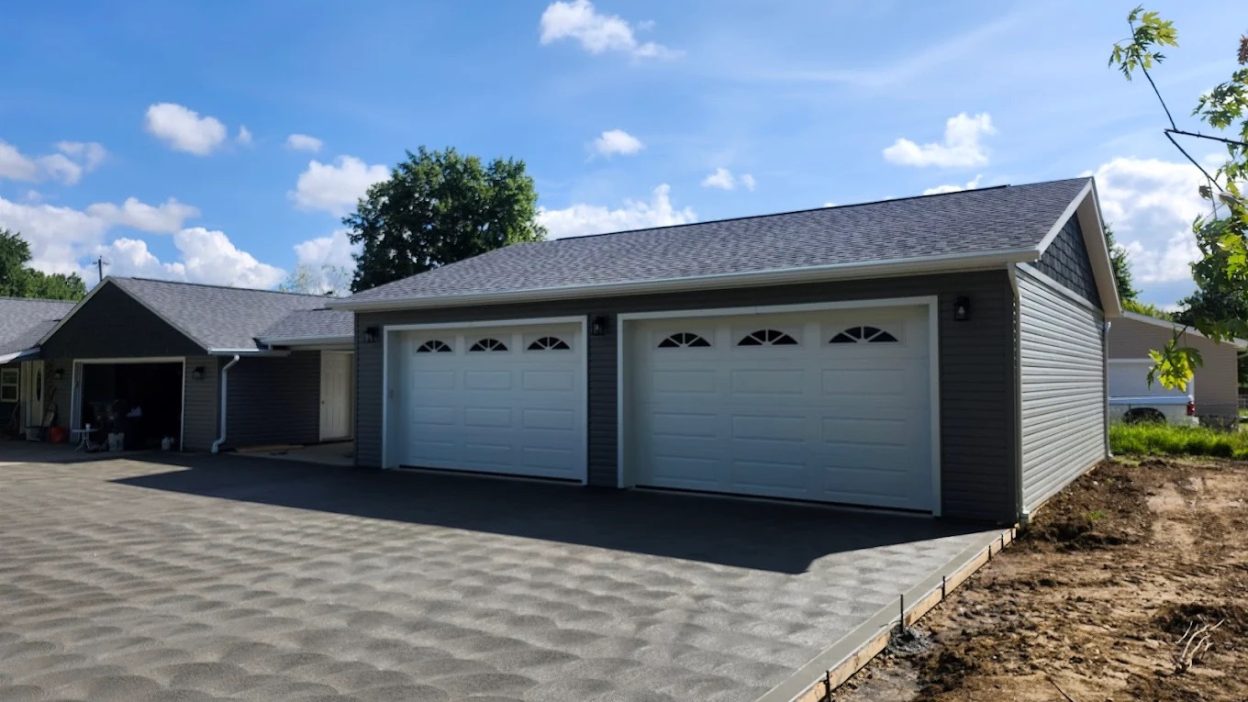
If you own a home in Ohio and have been thinking about adding covered parking or extra storage space, understanding the detached garage cost in Ohio is the first step before any conversation with a contractor. Prices vary considerably depending on size, foundation type, finishes, and local labor rates — especially across northeast Ohio counties like Wayne, Medina, and Stark. Getting a realistic budget upfront helps you avoid surprises and plan your project with confidence. Working with an experienced garage builder in your area ensures you receive accurate estimates tailored to your specific lot and building requirements.
This guide breaks down every cost component — materials, labor, permits, and optional upgrades — so you can walk into the planning process fully informed.
Average Price Ranges for Detached Garages in Ohio
Costs for detached garages in Ohio generally fall into three tiers based on size.
Single-Car Detached Garage (12×20 to 14×24 ft)
A basic single-car structure typically runs between $18,000 and $35,000 for a turnkey build in northeast Ohio. This range covers a standard concrete slab, wood-framed walls, basic roofing (asphalt shingles), a single overhead door, and a service entry door. Labor tends to account for 40 to 50 percent of the total in this region, given the skilled trades required for framing, roofing, and concrete work.
Two-Car Detached Garage (20×20 to 24×24 ft)
The most popular configuration among Ohio homeowners, a two-car detached garage typically ranges from $30,000 to $55,000. This estimate includes two standard steel overhead doors, a concrete slab, and basic exterior finishes. Upgrading to carriage-style doors, vinyl siding that matches the house, or a pitched roof with attic trusses can push costs toward the upper end of that range.
Oversized or Three-Car Detached Garage (30×30 to 36×48 ft)
Larger structures designed for trucks, RVs, equipment, or workshop use generally cost between $55,000 and $100,000 or more. At this scale, structural engineering, heavier footings, and specialty overhead doors contribute significantly to the overall budget. Many homeowners in rural Wayne County use these structures as combination garages and outbuildings, which can add additional permitting requirements.
According to data published by HomeAdvisor, the national average for a detached garage build is approximately $27,000 to $40,000, though Ohio costs tend to fall near or slightly below the national average in rural counties and closer to the midpoint in more urbanized areas.
Key Factors That Affect the Total Cost
Foundation Type: Slab vs. Frost-Wall
The foundation is often the single largest cost variable in Ohio because of the state’s climate. Ohio experiences freeze-thaw cycles that require footings to extend below the frost line, which is typically 36 to 42 inches in northeast Ohio according to the Ohio Building Code.
A basic 4-inch poured concrete slab is the most affordable option and works well in many situations, typically costing $6 to $10 per square foot installed. However, a frost-wall foundation — which involves a continuous perimeter footing below the frost line with a turned-down slab or block stem wall — adds $3,000 to $8,000 to the project but provides superior structural stability, especially on sloped lots or in areas with expansive clay soils common in Wayne County.
Insulation
An uninsulated garage is significantly less expensive upfront, but many homeowners regret skipping insulation when temperatures drop below freezing. Insulating the walls and ceiling with batt insulation typically adds $1,500 to $4,000 depending on structure size. If you plan to heat the garage, spray foam insulation offers better air sealing and can add $3,000 to $7,000 for a two-car structure, but it dramatically reduces heating costs over time.
Electrical Work
Running electricity to a detached garage involves a separate subpanel, trenching for underground conduit, and installation of outlets, lighting, and circuit breakers. Basic electrical service (a 60-amp subpanel with standard lighting and a few outlets) typically runs $2,500 to $5,000 in Ohio. If you want 240-volt outlets for a welder, EV charger, or air compressor, budget an additional $1,000 to $2,500 for those circuits.
Electrical work must be permitted and inspected in most Ohio municipalities. Your local building department will require a licensed electrician to pull the permit in most cases.
Garage Door Style and Quality
The overhead door is one of the most visible elements of a detached garage and prices vary widely. A basic steel raised-panel door runs $700 to $1,500 installed. Mid-grade steel doors with insulation and decorative windows typically cost $1,200 to $2,500 per door. Carriage-style wood or composite doors with decorative hardware can run $2,500 to $5,000 or more per opening.
For a two-car garage with two doors, the upgrade from basic to mid-grade doors alone can add $2,000 to $4,000 to the overall project cost. Many contractors recommend at least an R-value of 6 to 9 for insulated garage doors in Ohio’s climate.
Permits and Local Fees
Most Ohio townships and municipalities require a building permit for any structure larger than 200 square feet. In Wayne County, permit fees are typically calculated based on the project’s valuation and generally range from $150 to $600 for a standard residential detached garage. Some jurisdictions also require a zoning review to confirm setbacks and lot coverage compliance.
It is always advisable to verify local requirements with your township zoning office before finalizing any plans. Skipping permits can create complications when selling the property and may require costly retroactive inspections or even demolition.
ROI and Home Value Impact in Wayne County
One of the most common questions homeowners ask before building a detached garage is whether the investment will pay off at resale. The answer depends on the local market, but the data for northeast Ohio is generally positive.
According to Remodeling Magazine’s Cost vs. Value Report, garage additions consistently return 60 to 80 percent of their cost at resale in the Midwest. For a $40,000 two-car detached garage, that suggests $24,000 to $32,000 in added home value — a meaningful contribution, especially in markets where buyers expect garage parking.
In Wayne County, real estate professionals note that homes with detached garages often sell faster and attract buyers who prioritize storage and vehicle protection. Rural properties especially benefit because buyers frequently need space for farm equipment, recreational vehicles, or home-based businesses. Appraisers typically treat a detached garage as a contributory value item, meaning it is assessed separately from the main dwelling based on its size, condition, and utility.
That said, over-improving relative to the neighborhood can limit your return. A $90,000 custom three-car garage on a street where most homes are valued at $150,000 may not yield proportionate value. Consulting with a local real estate agent before finalizing your scope of work is always a smart step.
Tips for Getting Accurate Bids
When you are ready to collect contractor bids, a few practices will help you compare proposals on an equal footing.
Provide every bidder with the same specifications: dimensions, foundation type, insulation level, door style, and electrical scope. Ask each contractor to itemize their quote so you can see where costs differ. Verify that each bid includes permit fees, final grading, and cleanup, as these are sometimes excluded from initial estimates.
Check contractor references and confirm they carry general liability and workers’ compensation insurance. Ohio contractors performing construction work are generally required to be registered with the Ohio Construction Industry Licensing Board, and verifying this protects you from liability if something goes wrong on the job.
Final Thoughts: Planning Your Detached Garage Budget in Ohio
Building a detached garage in Ohio is a substantial investment, but one that delivers lasting utility and solid resale value when planned carefully. A single-car structure might come in under $30,000 for a straightforward build, while a fully finished two-car garage with insulation, electrical service, and quality doors can approach $55,000 or more in northeast Ohio.
The key is matching your build specifications to your actual needs and your neighborhood’s price point. Understanding every line item — from the foundation and framing to the doors and electrical panel — puts you in a much stronger position when meeting with contractors.
For homeowners in the Wayne County area seeking a trusted local resource, you can also explore this Google Maps listing to read reviews and connect with experienced garage builders in your region.
Frequently Asked Questions
1. Do I need a permit to build a detached garage in Ohio?
In most Ohio townships and municipalities, yes. Any structure larger than 200 square feet typically requires a building permit. Requirements vary by jurisdiction, so always check with your local zoning or building department before starting construction.
2. How long does it take to build a detached garage in Ohio?
A standard two-car detached garage typically takes 2 to 6 weeks from groundbreaking to completion, depending on weather, contractor availability, and permit processing times. Custom or larger structures may take longer.
3. What is the cheapest type of foundation for a detached garage in Ohio?
A basic poured concrete slab is generally the most affordable foundation option. However, in areas with significant freeze-thaw cycles — common throughout northeast Ohio — a frost-wall footing may be recommended or required by code to prevent structural movement over time.
4. Will a detached garage increase my property taxes in Ohio?
Likely yes. Adding a permanent structure to your property typically triggers a reassessment. The increase depends on the structure’s size and finish level, but homeowners should anticipate a modest increase in their annual property tax bill after construction is complete.
5. Can I build a detached garage myself to save money?
Owner-builder projects are permitted in Ohio under certain conditions, but most counties require that licensed subcontractors handle electrical, plumbing, and HVAC work. DIY framing and finishing can reduce labor costs, but mistakes in foundation work or framing can be expensive to correct. If you lack construction experience, getting at least the foundation and framing done by professionals is generally advisable.
6. What size detached garage adds the most value in Ohio?
A two-car detached garage is generally considered the sweet spot for resale value in Ohio. It meets the needs of most buyers, fits on a standard residential lot, and offers a better return on investment than smaller single-car structures or oversized specialty buildings in most markets.